
Last updated November 23, 2026
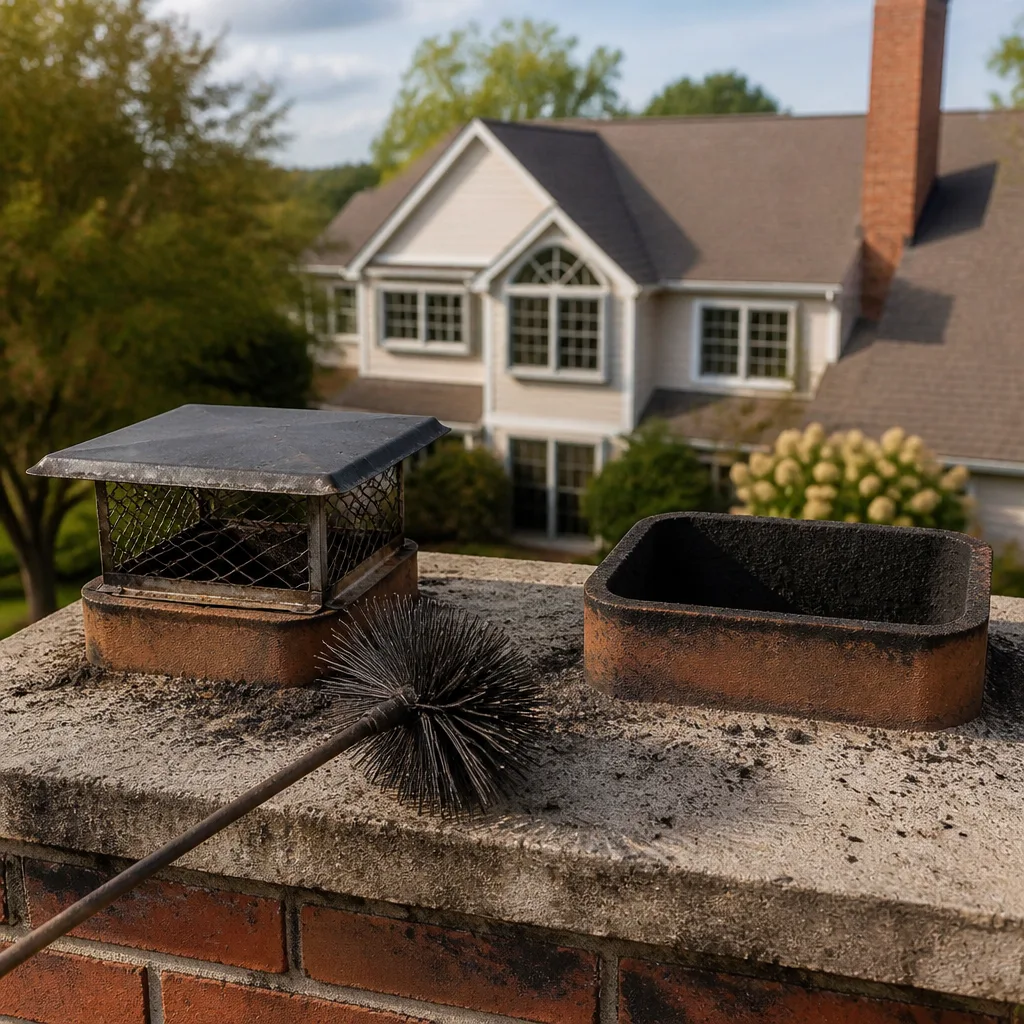 Sweep & inspection
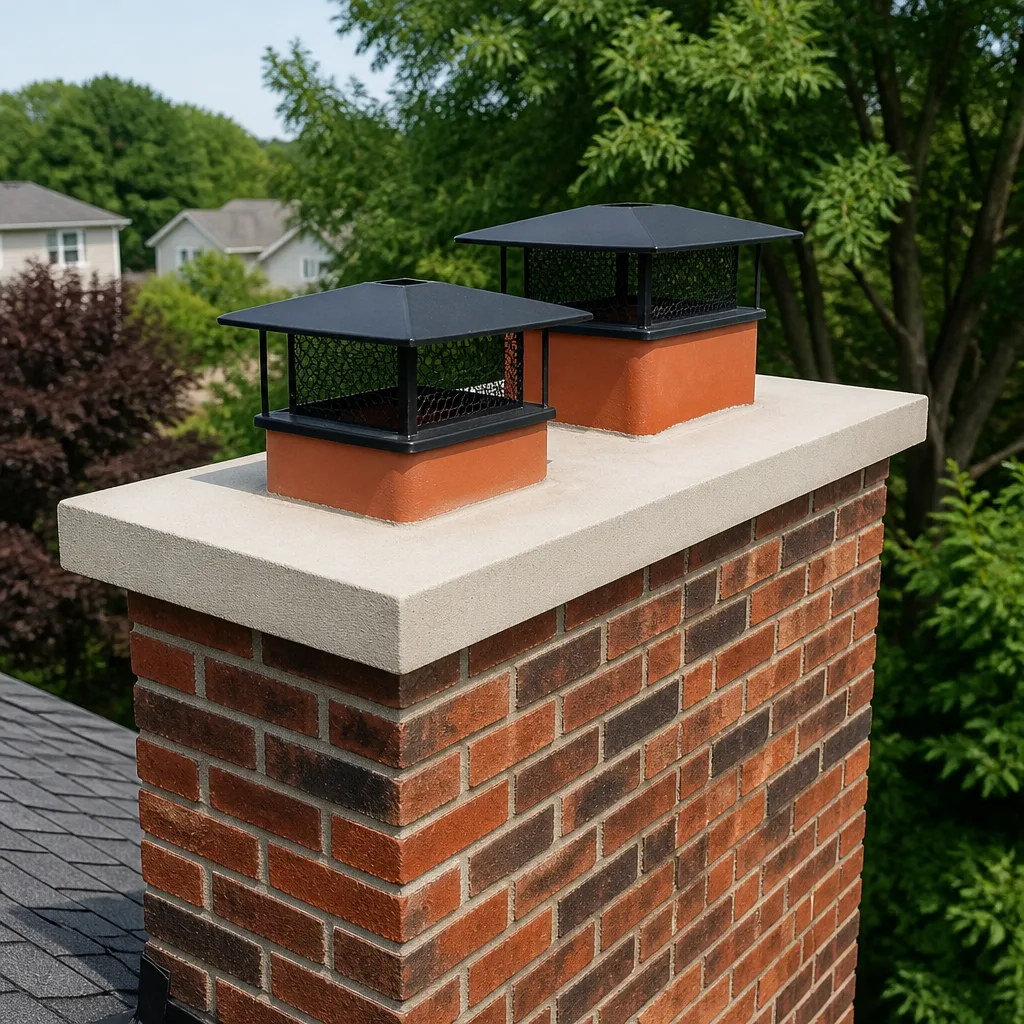 Caps & crowns
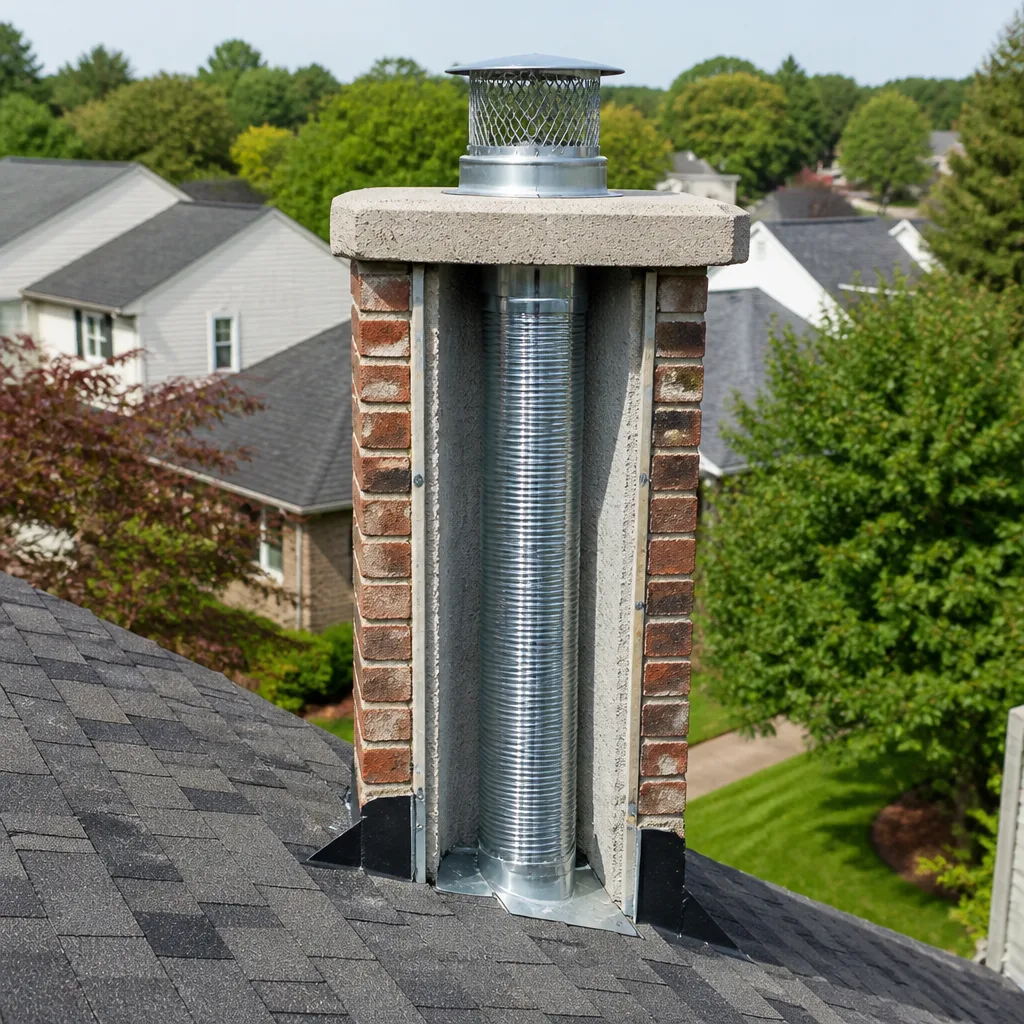 Flue relining
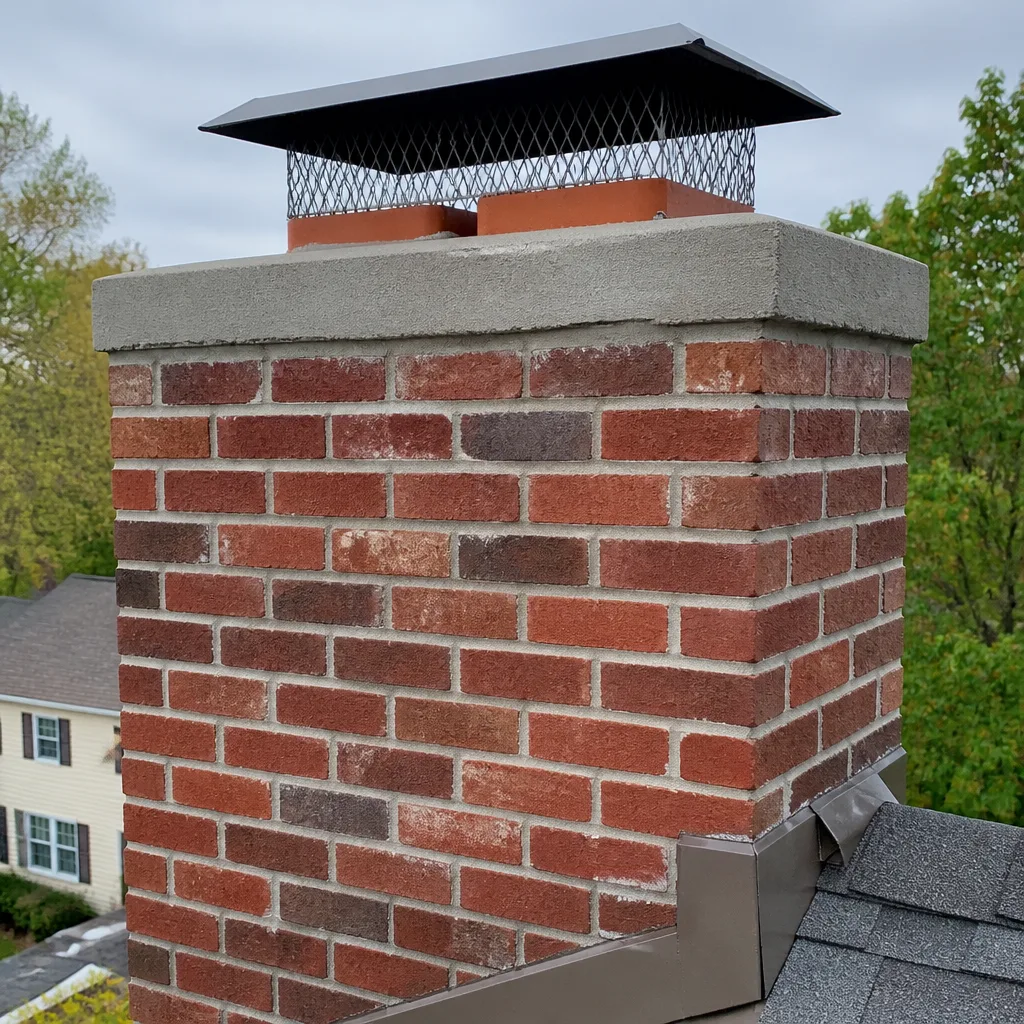 Masonry repair
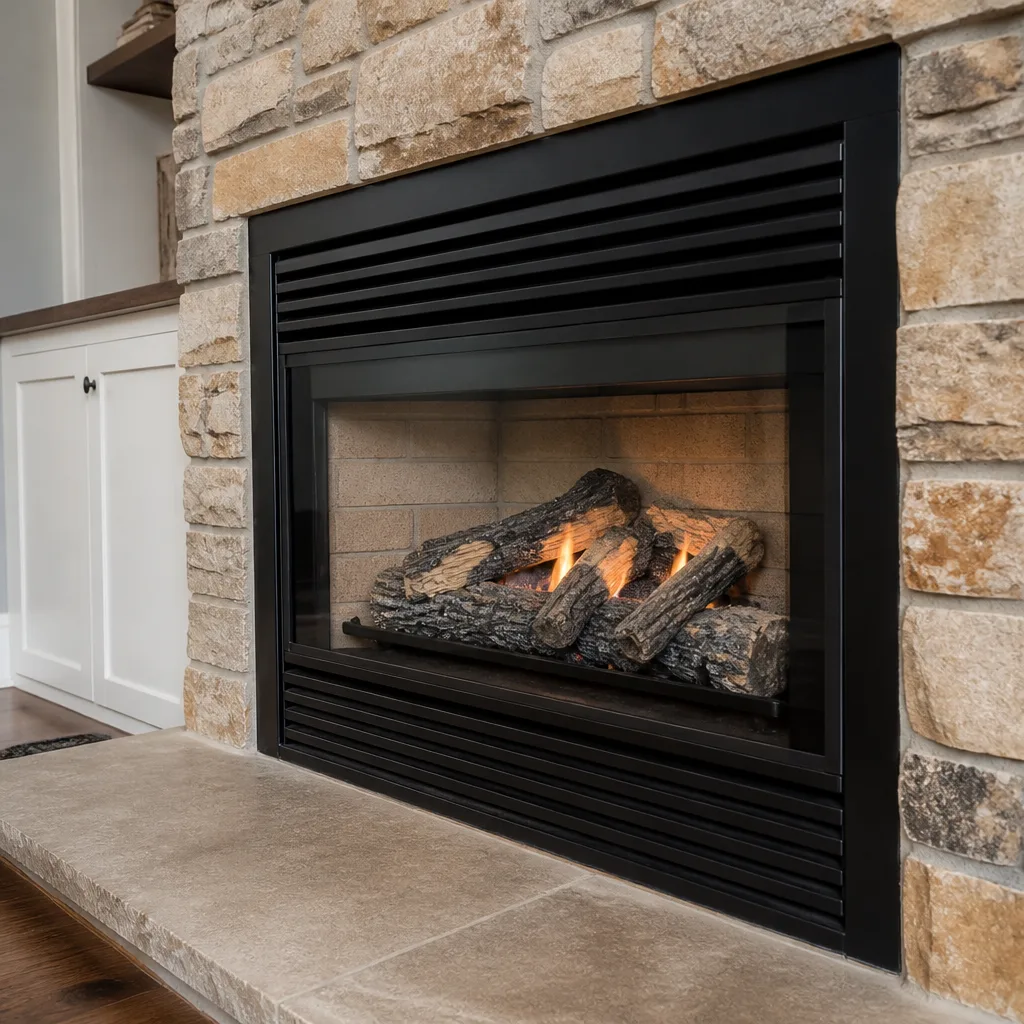 Gas fireplace service
Level 1 sweep and inspection to the NFPA 211 annual standard - flue, crown, cap, and flashing checked and photographed
Chimney sweep logs do not sweep chimneys. They loosen some creosote - which then falls where a brush and vacuum still have to collect it.
DIY vs Professional Chimney Cleaning: The Westminster Homeowner’s Decision Guide
A homeowner with a $60 brush kit can remove loose soot from the firebox. What they cannot do is tell the difference between a surface-level deposit and a Stage 3 creosote glaze that requires chemical treatment, and that visual error is where house fires start. That’s the part almost every DIY guide glosses over. Most debates about cleaning your own chimney hinge on cost. This one doesn’t. It hinges on something harder to price: whether you can accurately assess what you’re looking at while you clean. This guide lays out exactly which tasks fall safely within DIY range for a Westminster homeowner, which ones don’t, and how to know the difference before you pick up a brush.
Quick Answer
Light DIY maintenance like ash removal and exterior visual checks is reasonable for most Westminster homeowners. Cleaning the flue, evaluating creosote staging, and diagnosing liner or crown problems should be handled by a professional with inspection equipment and training. The real cost of DIY isn’t the brush kit, it’s the risk of missing something a trained eye would catch. In our experience, the sweeps that reveal a surprise liner failure are almost always the ones nobody booked for years.
Styles & brands we work with
- Sweep & inspection
- Caps & crowns
- Flue relining
- Masonry repair
- Gas fireplace service
Table of Contents
- Why the DIY Question Is Really About Risk
- The Tasks That Fall Safely Within DIY Range
- Creosote Staging: Why You Can’t Judge It From the Firebox
- The Equipment Gap: What a Camera Sees That a Flashlight Can’t
- Colorado Liability and Insurance After a Self-Cleaned Chimney
- A Decision Matrix for Westminster Homeowners
- What a Professional Sweep Actually Involves
- How Often Should a Westminster Chimney Be Cleaned?
Why the DIY Question Is Really About Risk
Search “DIY vs professional chimney cleaning Westminster CO” and you’ll find dozens of pages comparing the cost of a brush kit to the cost of a sweep. That comparison misses the point. The two tasks aren’t equivalent versions of the same job. DIY cleaning removes what you can reach and identify. Professional cleaning removes what needs removing and confirms what condition the system is in while doing it.
Those are different jobs, and they protect you against different risks. A homeowner who sweeps their own flue every October is still exposed to the same categories of failure as a homeowner who never sweeps, just with more confidence. Here’s the breakdown:
- Fire risk from creosote depends on identifying the deposit stage, not just removing soot.
- Carbon monoxide risk depends on flue integrity, which isn’t visible from the firebox.
- Water intrusion risk depends on crown and cap condition, which requires getting on the roof.
- Liner failure risk depends on an inspection camera that reaches the whole flue run.
Notice that only the first item is even partially addressable from inside the house with a brush. The other three need eyes on areas a homeowner standing on a hearth can’t see. Westminster’s mix of older ranch homes near the Highlands and newer builds along the northern corridors means we see both decades-old masonry chimneys and modern factory-built ones. Both fail, and both fail in ways the homeowner didn’t notice until an inspection caught it.
That’s the reframe. The question isn’t “can I clean my chimney?” It’s “can I assess it accurately?” The answer to the first is often yes. The answer to the second is almost always no, and the second answer is the one that affects your safety and your insurance.
The Tasks That Fall Safely Within DIY Range
There’s an honest list of chimney maintenance work a careful homeowner can do without specialized tools or training. It’s shorter than most DIY guides admit, but it’s real, and doing it well reduces what a professional sweep has to tackle. Here’s what stays in range:
- Ash removal. Once the firebox is fully cold, sweeping out ash into a metal container and disposing of it outdoors is safe. Leave a shallow bed of ash on the firebox floor; it insulates the next fire. Never vacuum warm ash with a household vacuum.
- Exterior visual check from the ground. Walk the yard and look at the chimney with binoculars. Check for missing mortar joints, a cracked or tilted crown, a missing cap, or visible staining on the masonry. Note anything that looks off and mention it when you book.
- Damper operation check. Open and close the damper by hand each fall. It should move smoothly and sit fully open or fully closed. A damper that sticks or won’t seat properly is a note for the sweep, not a DIY repair.
- Cap inspection from a ladder at the eave. If you’re comfortable on a ladder, a look at the cap from the eave line (not the roof) tells you whether the mesh is intact and the cap is seated. Don’t climb the roof.
- Firebox visual check. Look for loose mortar, cracks in the firebrick, or gaps around the damper frame. Photograph anything suspicious so the sweep can compare before and after.
- Clear the firebox area. Keep the hearth free of paper, kindling stacks, and furniture. This is genuine fire prevention and costs nothing.
That’s the safe DIY envelope. If your task isn’t on this list, it needs a technician. Sweeping the flue itself, evaluating creosote, and diagnosing a liner are all outside the envelope because the failure mode for each is invisible from inside the house. Our chimney sweep service covers those tasks with equipment and a written report, which is why the sweep is the right starting point for most Westminster homeowners even if they do the ash removal themselves.
One caution on the ladder step: many Westminster homes have steep pitches and long eave overhangs. If you’re not already comfortable on a ladder at height, skip step four entirely and let the sweep check the cap from the roof.
Creosote Staging: Why You Can’t Judge It From the Firebox
Creosote is the residue left behind when wood smoke cools on the inside of the flue. It accumulates in distinct stages, and the stage determines the treatment. This is the single most important thing a homeowner needs to know about chimney cleaning, and it’s also the part almost no DIY guide explains properly.
The four stages, briefly
- Stage 1: Soot and flaky dust. Removable with a standard poly brush. The most common deposit in well-managed wood-burning fireplaces.
- Stage 2: Crumbly, brittle black deposits. Brushable with the right technique, but the buildup is thicker and harder to remove completely.
- Stage 3: Glazed, tar-like coating. Baked onto the flue walls and not removable by brushing. Requires chemical treatment to break down the glaze before a sweep.
- Stage 4: Puffy, collapsed glaze. Rare, very dangerous, and often a sign of a chimney fire already occurring. Requires immediate professional evaluation.
Why you can’t tell the stage from the firebox
Creosote forms on the inside walls of the flue, above the smoke shelf, anywhere from a few inches above the damper to the very top of the chimney. A flashlight held from the firebox reaches maybe the first 18 inches of that flue run. That’s roughly 10 – 15% of the actual surface area that accumulates creosote, which means the deposit stage you’re looking at in the firebox tells you almost nothing about what’s happening higher up.
Stage 2 and Stage 3 are also hard to distinguish by sight. Both look dark. The difference is texture and how the deposit responds to heat cycling, which a trained eye reads partly through lighting and partly through how the deposits behave when a probe touches them. This is why we use a bright inspection light on a long handle and a set of angled inspection mirrors to look at the whole flue run before reaching for a brush. Without that view, a homeowner can brush away a Stage 2 deposit thinking they’ve solved the problem while leaving a Stage 3 glaze untouched higher up.
Stage 3 creosote requires a HeatShield-compatible chemical treatment cycle before it can be removed. A poly brush alone won’t do it. That gap between what a brush removes and what needs removing is where most chimney fires start, and there’s no DIY tool that closes it.
The Equipment Gap: What a Camera Sees That a Flashlight Can’t
A professional inspection camera is the single biggest equipment difference between a DIY sweep and a professional one. It’s also the reason a homeowner can clean a chimney for years and still miss a burned-through liner.
Here’s what a professional has that the brush-and-flashlight kit does not:
- A flue inspection camera. A color camera on a flexible rod that reaches the entire flue run, including offsets, elbows, and the smoke chamber. It records stills and video.
- Bright LED lighting on a long handle. So every part of the flue wall can be evaluated at close range, not just the flashlight-illuminated bottom few inches.
- Angled inspection mirrors. To look at the top of the smoke shelf and the underside of the crown, both common failure points.
- Creosote staging probes. A set of tools that let a technician test how firmly bonded the deposit is and whether it will come off with a brush.
- A photo report. After the sweep, a professional can show you what the flue looked like before and after. A homeowner mid-DIY can’t.
For liner integrity, the gap is even more consequential. A Tile or stainless steel liner can crack or fail at a joint 15 feet up, invisible from the firebox, and carbon monoxide can leak through that failure into the wall cavity or into upper floors. The camera sees it; a flashlight doesn’t. This is why we always run a camera inspection as part of any chimney repair visit and why our inspection service exists as a standalone offering for Westminster home buyers and sellers. DuraFlex liner systems and HeatShield firebox and flue restoration are the two products we reach for most often when that camera report says something needs fixing, but the report comes first.
The practical takeaway is this: if you’re doing DIY maintenance, you’re getting the soot off the walls. You’re not getting a diagnostic read on the system. Those are different outcomes, and only one of them prevents the expensive surprise.
Colorado Liability and Insurance After a Self-Cleaned Chimney
Insurance is the section most homeowners don’t think about until they’re filing a claim. In our experience with Westminster properties, the issue surfaces in two specific scenarios.
Scenario 1: A chimney fire follows a self-clean
If a chimney fire occurs and the insurance company opens an investigation, one of the first questions they’ll ask is when the chimney was last cleaned and by whom. A homeowner who cleaned the chimney themselves a few months earlier can trigger scrutiny of whether the work was done properly, whether creosote stages were evaluated, and whether any preexisting liner problems were visible before the fire. None of that is a guarantee of a denied claim, but it’s a line of inquiry that wouldn’t apply to a professionally documented sweep.
Scenario 2: A home sale closes and a liner problem surfaces
In Colorado, real estate transactions in Westminster frequently include a chimney inspection as part of the buyer’s due diligence. If the inspection reveals a failed liner that a previous owner’s DIY cleaning should have caught, the question of disclosure and prior knowledge can become a negotiation point. A professional inspection with a written report closes that gap.
Here’s what we tell Westminster homeowners who want to hedge on liability:
- Keep a written record of every professional sweep and inspection, with the date and the technician’s notes.
- If you do the DIY ash removal yourself, that’s fine, but your annual sweep should still be documented by a professional.
- If you sell the house, hand the inspection and sweep records to the buyer. It shortens due diligence and reduces post-sale disputes.
- If you’re buying, request a professional inspection rather than relying on the seller’s verbal assurance. A recorded photo report is the only thing that transfers cleanly.
None of that is exotic. It’s the same documentation habit you’d apply to a furnace or a water heater. Chimneys earn a spot on the list because the failure mode (a flue fire or carbon monoxide exposure) is one of the more consequential in a house.
A Decision Matrix for Westminster Homeowners
The real question isn’t “DIY or professional?” in the abstract. It’s “which tasks, in my specific house, are DIY-safe, and which aren’t?” Here’s the matrix we’d offer a neighbor.
Reasonable to DIY
- Ash removal from a fully cold firebox
- Ground-level visual checks with binoculars
- Damper operation check each fall
- Cap visual check from the eave (only if you’re already comfortable on a ladder)
- Firebox visual check for obvious cracks or loose mortar, photographed for the sweep
- Keeping the hearth area clear
Becomes riskier than it saves when
- You’re sweeping the flue itself and have no camera to check the liner afterward
- You’ve already seen dark, tar-like deposits and are treating them with a brush
- Your home is older and you’ve never had a camera inspection
- You’re burning unseasoned wood and can’t keep up with the soot load
- You’re selling and the buyer’s inspector will ask questions you can’t answer
- Your chimney has any visible sign of a past chimney fire (puffy glaze, cracked tiles, warped damper)
The specific Westminster conditions that push toward professional
Three local factors tip the balance toward booking a pro in this area more often than you might expect. First, our cold snaps and shoulder-season fires tend to produce more creosote than steady cold-weather burning, because the fire runs cooler and smolders more. Second, Westminster’s housing stock is a mix of mid-century masonry chimneys and newer factory-built ones, and both need different cleaning approaches. Third, the dry high-desert climate causes masonry to shrink and crack over time, which means crowns and caps take more abuse here than in wetter parts of the country, and those are areas a homeowner can’t easily inspect.
If you’re on the fence, the cleanest test is to book a professional sweep once and see what the photo report shows. If it’s clean, you know you’ve been maintaining well and can decide whether to do more yourself next year. If it’s not, you’ve just found out what your DIY cleaning was missing. For most Westminster homeowners, that one data point settles the debate for good.
What a Professional Sweep Actually Involves
It helps to know exactly what you’re paying for, because most homeowners assume a professional sweep is a fancier version of the DIY job. It isn’t. Here’s what the visit involves when we do a Westminster Chimney Sweep Pros sweep.
- Walkthrough and hearth setup. Drop cloths down, fireplace tools and any nearby furniture moved clear, and the firebox checked for hidden hazards.
- Camera inspection of the entire flue run. Before any brush touches the walls, the technician runs a camera from the top of the flue to the smoke chamber, noting the deposit stage and any liner damage.
- Creosote staging. Based on what the camera shows, the deposit is staged 1 through 4, and the treatment plan changes accordingly. Stage 3 requires chemical treatment with a HeatShield-compatible product before brushing.
- Brushing the flue. The right brush for the flue type (poly for stainless liners, wire only when appropriate for masonry), worked from the top down.
- Smoke chamber and smoke shelf cleaning. These are the areas above the damper where soot collects and most DIY sweeps miss entirely.
- Firebox and damper inspection. Cracks, loose mortar, and damper operation checked.
- Crown and cap inspection. From the roof, checking the crown for cracks and the cap for damage or missing mesh.
- Photo report. Before-and-after photos of the flue run, plus notes on anything that needs follow-up.
Notice step 8. That’s the part that changes how you should think about the whole visit. A professional sweep ends with a report that tells you what condition your chimney is in and what, if anything, needs fixing. If the report says the crown has a crack and a new cap is needed, we install both on the same visit using Olympia Chimney or Copperfield components, because we stock the same product lines used by certified professionals. No second contractor, no waiting on a separate quote. If the report says the fireplace repair work can wait until next season, we tell you that too, and we mean it. Nothing gets recommended without camera evidence you can see for yourself.
That’s the honest difference between DIY and professional in one paragraph. DIY removes soot. Professional removes soot and confirms the system’s condition, with documentation. The value is in the second half, not the first. Our technicians have up to 14 years of experience and work across the full service capability (sweep, fireplace repair, chimney repair, inspection, and cap and crown) so a visit doesn’t get split across contractors.
How Often Should a Westminster Chimney Be Cleaned?
Once a year for a wood-burning fireplace under regular use, is the standard answer, and it holds for most Westminster homes. A gas fireplace has a different schedule, closer to every two years for inspection unless the log set or venting shows issues. But “once a year” isn’t a universal rule, and there are specific conditions in this area that shorten the interval.
- Burning unseasoned wood. Green wood produces more creosote, faster. If you’re not sure of your wood’s moisture, assume a shorter interval.
- Burning frequently in shoulder seasons. Cool-morning fires in October and March run at lower flue temperatures and deposit more creosote than deep-winter fires.
- Older masonry chimneys. The interior tile joints and mortar age, and cracks that form gradually let deposits adhere more aggressively.
- After any chimney fire. Even a small one. A flue fire of any size can crack a liner, and the camera is the only thing that confirms integrity afterward.
- Buying or selling a Westminster home. A professional inspection before closing is the standard habit here and worth scheduling independent of the annual sweep.
If you’re not sure where you stand, the answer is to book a sweep and use the camera report as your baseline. It’s the one piece of information that lets you make the next decision (DIY again, or annual professional) with actual data instead of a guess. The written estimate sets the final price, so there’s no surprise on the invoice.
Common Mistakes to Avoid
- Treating dark deposits as one problem. Stage 2 and Stage 3 creosote both look black and both look bad, but only Stage 3 requires chemical treatment before brushing. A homeowner who brushes a Stage 3 glaze and sees a lighter flue afterward assumes the job is done when the glaze is still bonded. In Westminster’s cold-snap conditions, this is the most common near-miss we see.
- Sweeping the flue without a camera follow-up. A brush removes soot but doesn’t show you a cracked liner joint 12 feet up. Carbon monoxide doesn’t care how clean the flue is above the crack.
- Doing the DIY sweep every year and never booking an inspection. Soot removal and system diagnosis are separate services. Skipping the inspection for multiple years is when a small crown crack becomes a $2,000 crown replacement.
- Assuming a gas fireplace needs no maintenance. Gas fireplaces still have venting, and venting can crack or disconnect. The schedule is longer, but it isn’t “never.”
- Cleaning without a written record. If a claim or a sale is ever on the line, the record matters more than the sweep. A homeowner’s memory of “I cleaned it last fall” is worth far less than a written report with photos.
- Burning unseasoned wood to save on fuel. The cost savings on green wood is dwarfed by the extra creosote load it deposits, which shortens the interval between sweeps and increases the fire risk.
- Climbing the roof for the cap check. A fall off a Westminster roof is a much bigger risk than a dirty cap. Use binoculars from the ground and let the sweep check the cap from the roof.
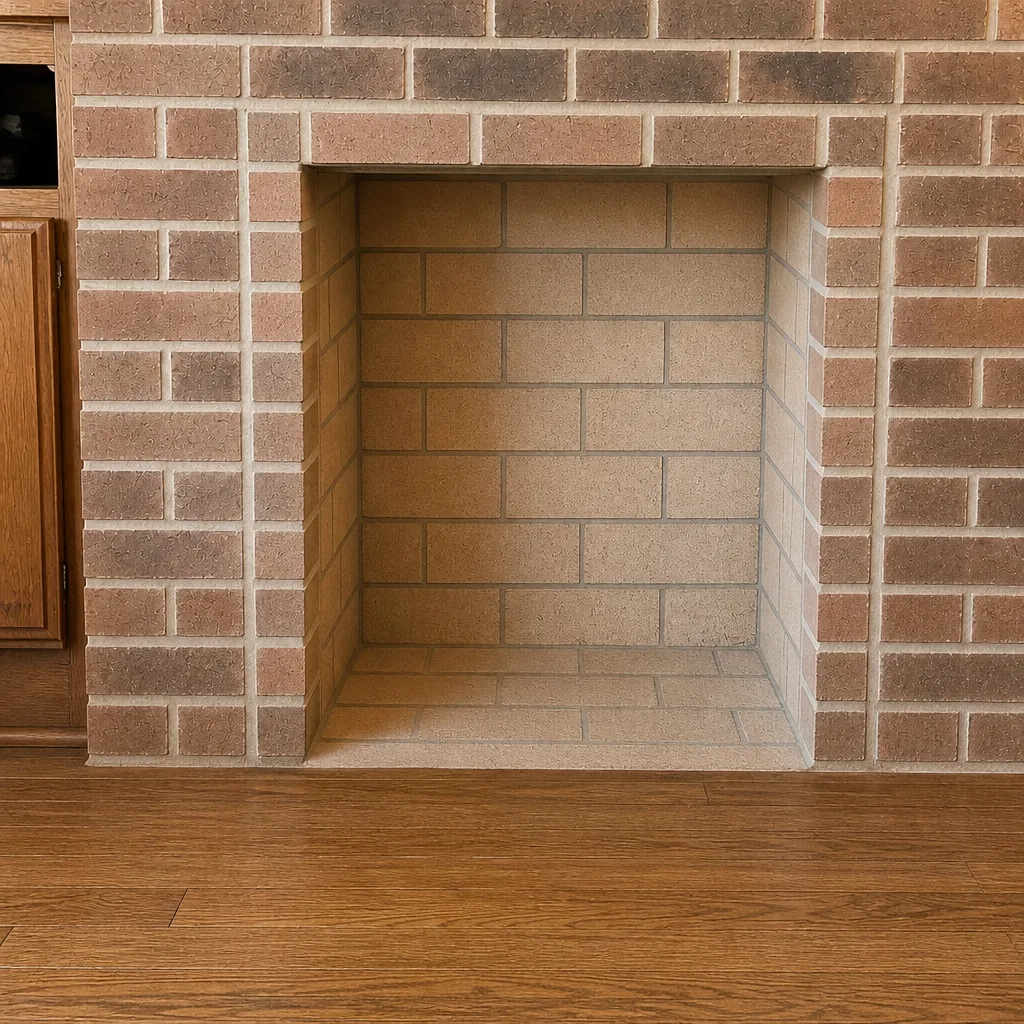
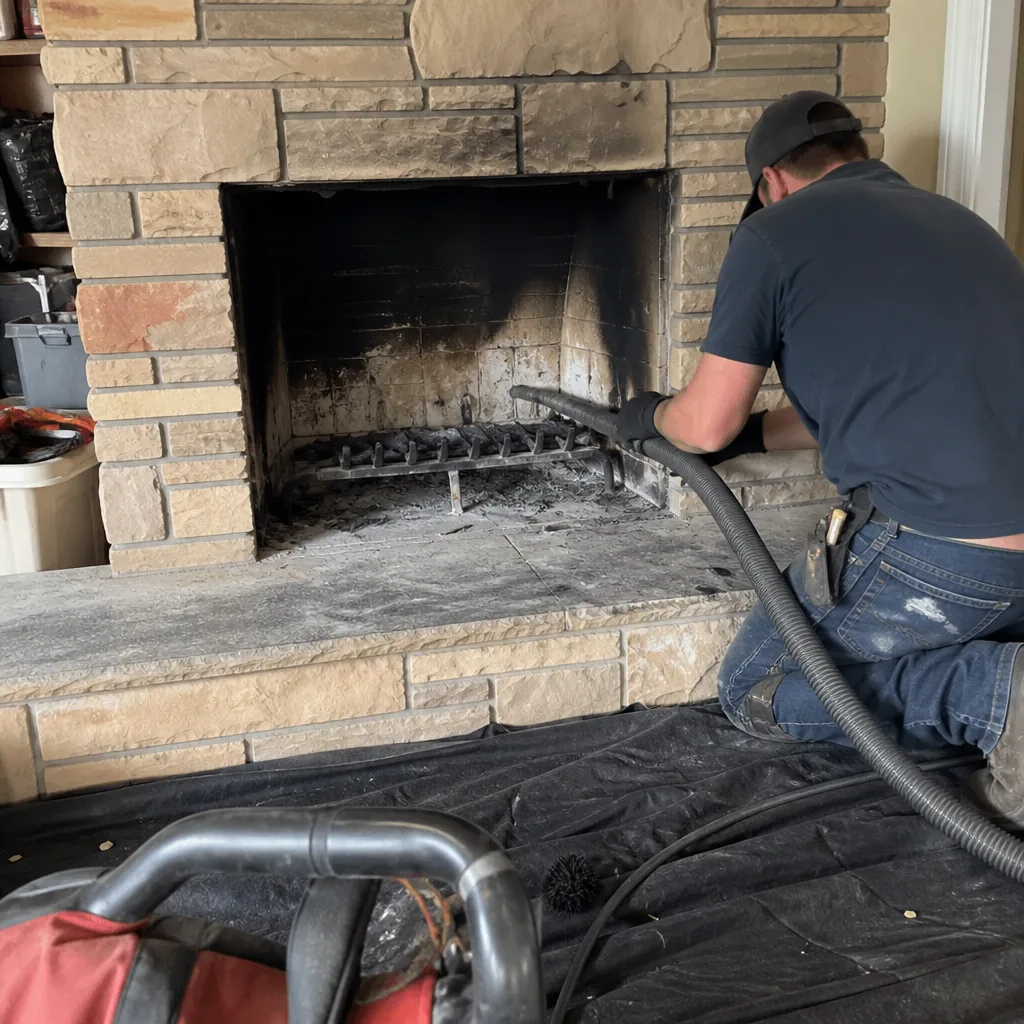
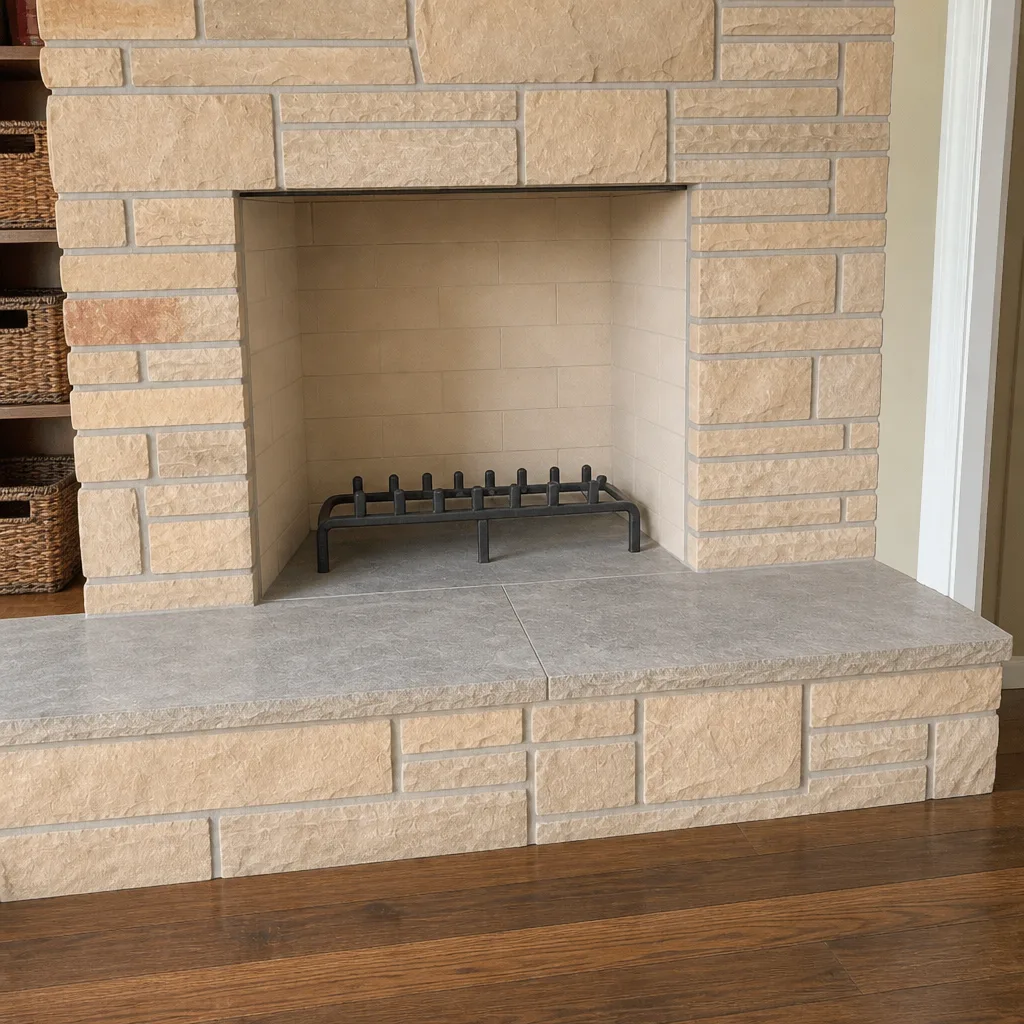
See the difference
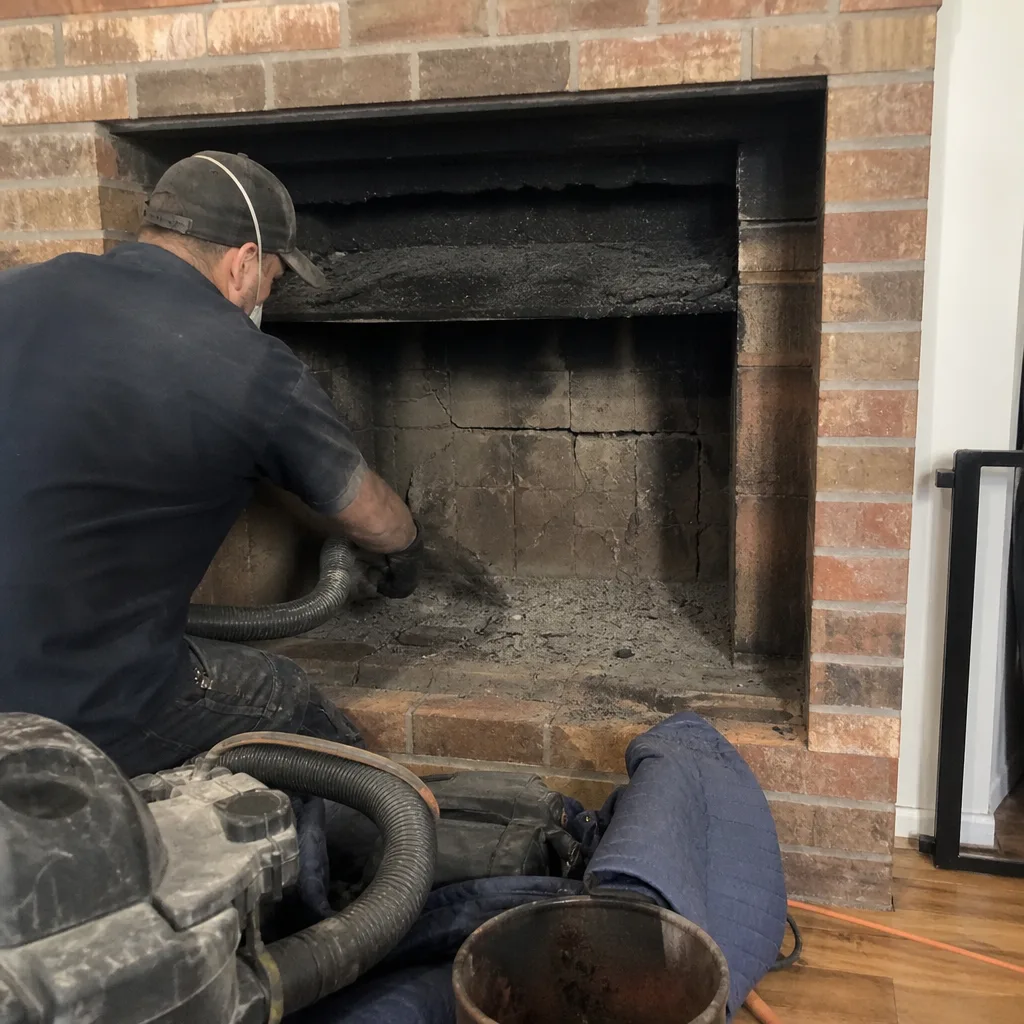 Before
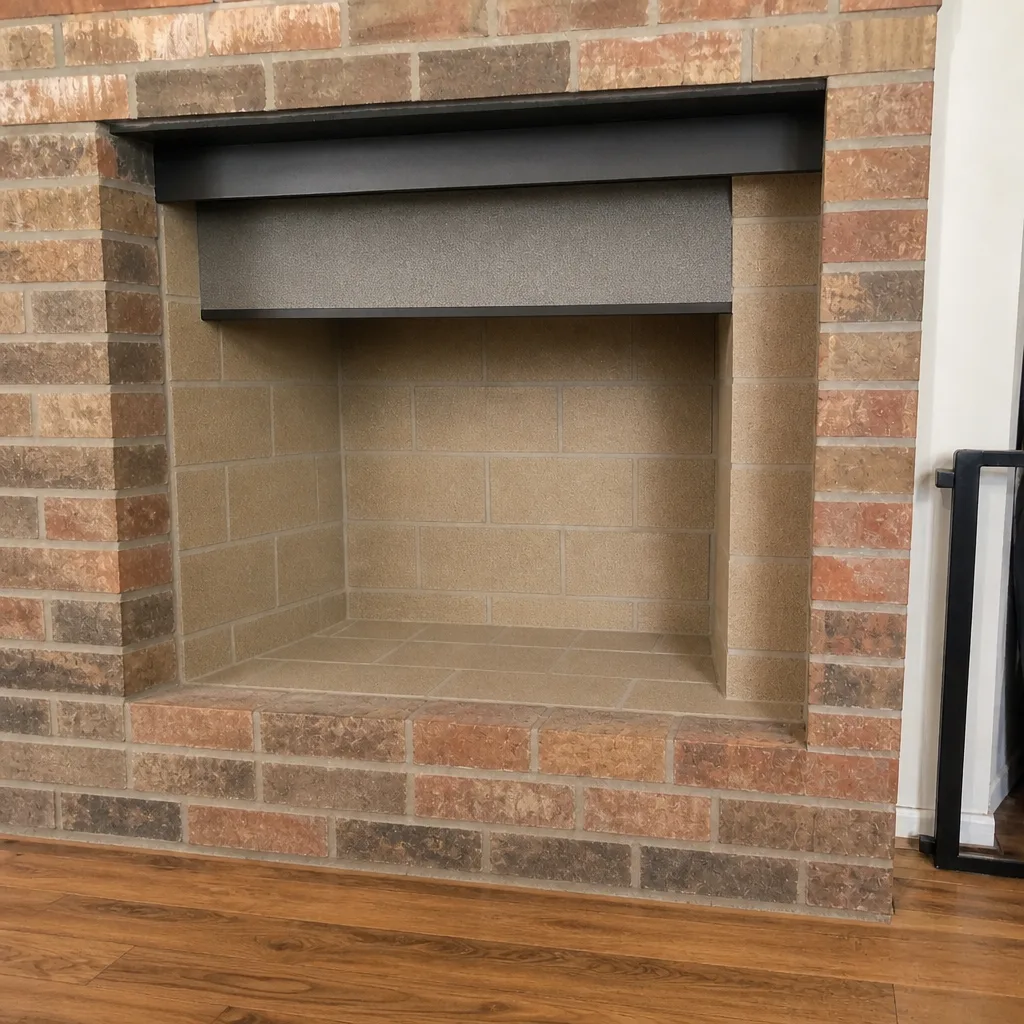 After
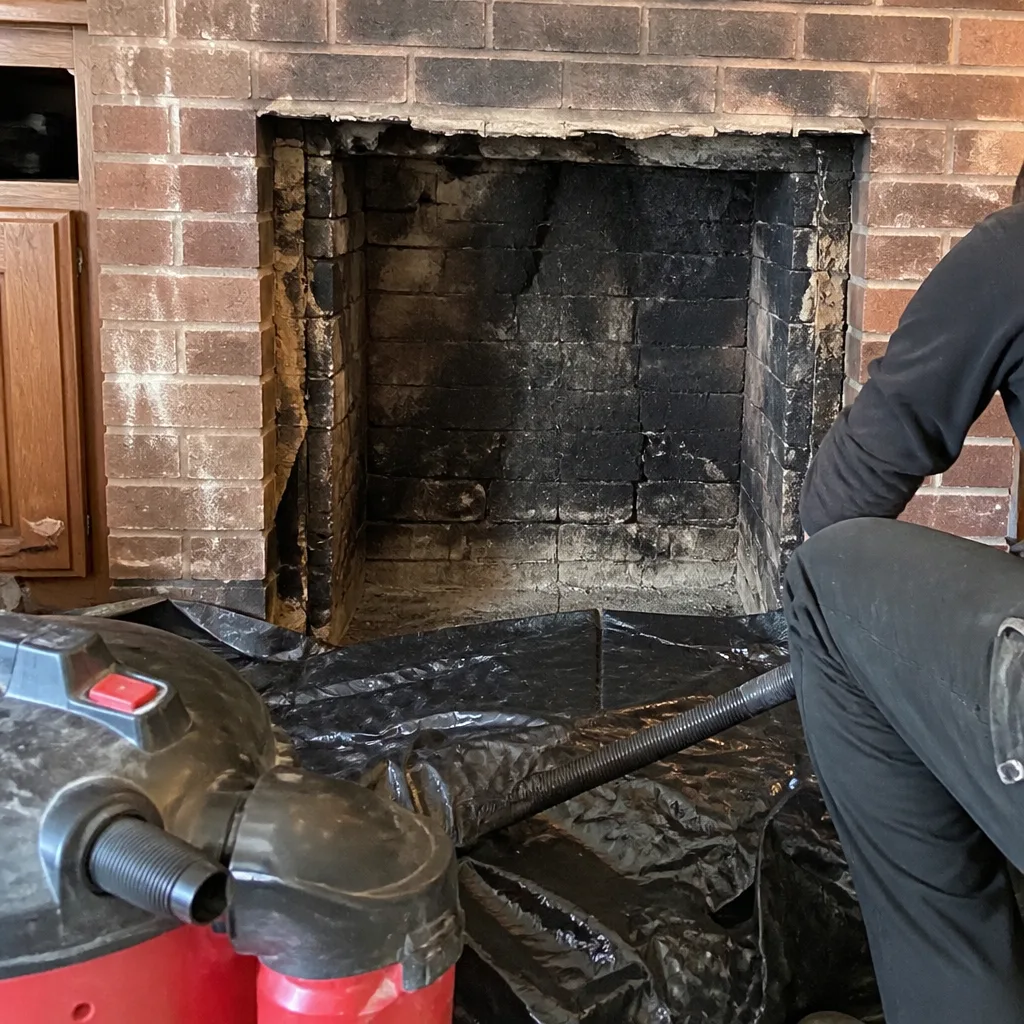 Before
 After
 Before
 After
When to Call a Professional
Book a professional sweep in any of these situations: it’s been more than a year since your last sweep; you’ve seen dark, glazed deposits inside the flue; the chimney hasn’t been camera-inspected since you moved in; you’re buying or selling a Westminster home; you’ve had any chimney fire, however small; your crown, cap, or masonry looks cracked or damaged from the ground; or your homeowner’s insurance has asked for documentation of maintenance. In any of those cases, a professional visit is not an upsell, it’s the first step. Westminster Chimney Sweep Pros offers free estimates in Westminster. Call (855) 658-4345. We answer 24/7. Fast dispatch from 7am to 7pm, Sunday through Friday.
Frequently Asked Questions
Yes, for light tasks like ash removal, damper checks, and ground-level visual inspections. Sweeping the flue itself, evaluating creosote staging, and diagnosing liner or crown problems should be handled by a professional, because the failure modes for those tasks aren’t visible from the firebox. A homeowner can remove soot; a trained technician can tell you what condition the system is in afterward. Call (855) 658-4345 for an exact quote on a professional sweep, and estimates are free.
You probably can’t tell reliably from a flashlight held at the firebox, because Stage 2 and Stage 3 both look like dark, black deposits from that angle. The difference is texture, adhesion, and location within the flue run, which requires a bright inspection light and a camera reach to evaluate. If the deposit is glazed and tar-like when you scrape it with a tool, that’s Stage 3 and it needs chemical treatment before brushing. Call (855) 658-4345 for a camera inspection that confirms the stage.
It can, in two situations: a chimney fire claim or a real estate transaction. In a fire claim, the insurer may ask when and by whom the chimney was last cleaned, and a self-clean without documentation invites scrutiny. In a sale, an inspection revealing a failed liner that a prior DIY cleaning should have caught can become a disclosure question. Neither situation guarantees a denied claim, but a written professional report closes the gap. Call (855) 658-4345 to book a documented sweep.
Pricing depends on the flue type, deposit stage, and whether any repair work is part of the visit. The written estimate sets the final price, so there’s no surprise line item once we’ve seen the system. A sweep that includes a camera inspection and photo report is a different scope than a brush-only service, and that’s the one worth pricing. Call (855) 658-4345 for an exact quote; estimates are free.
A DIY sweep removes soot from the flue walls. A professional sweep with inspection does that same job plus a camera inspection of the entire flue run, creosote staging, a firebox and crown and cap evaluation, and a photo report showing before and after condition. The inspection is the part that catches a liner crack or a failing crown before it becomes a bigger repair. Call (855) 658-4345 to schedule one.
You remove soot annually and you keep visible soot under control, but you don’t get a read on creosote staging, liner integrity, or crown and cap condition. That means a liner crack, a Stage 3 glaze, or a failing crown can develop over multiple years without any warning until it becomes a fire, a carbon monoxide problem, or a much larger repair. The risk isn’t the skipped sweep so much as the missed diagnosis. Call (855) 658-4345 to book a baseline inspection.
Only if the camera inspection shows the current liner is cracked, disconnected, or compromised. Plenty of chimneys have years of service left on their original liner, and we tell homeowners that when the report supports it. When replacement is warranted, we install DuraFlex liner systems, which are the professional-grade stainless liners certified chimney pros specify. Nothing is recommended without camera evidence you can see for yourself. Call (855) 658-4345 to get the inspection that answers the question.
The Bottom Line
The DIY vs professional chimney cleaning question isn’t really about cost, it’s about risk surface. Ash removal and exterior visual checks are reasonable to do yourself. Flue sweeping, creosote staging, liner evaluation, and crown and cap work require equipment and training that a brush-and-flashlight kit doesn’t provide. The homeowner who cleans their own chimney gains a bit of money and loses a diagnostic read on the system, and in a Westminster climate that produces creosote faster than most homeowners expect, that trade isn’t even. Book a professional sweep once and see what the camera report shows. It’s the one data point that settles the question for good.
Westminster Chimney Sweep Pros handles the full system (sweep, fireplace repair, chimney repair, inspection, and cap and crown) so a visit doesn’t get split across contractors. We work with professional-grade product lines including HeatShield, Gelco, Olympia Chimney, and DuraFlex. Call (855) 658-4345. We answer 24/7. Fast dispatch from 7am to 7pm, Sunday through Friday. Estimates are free, and the written estimate sets the final price.
Written by the team at Westminster Chimney Sweep Pros.