
Last updated November 23, 2026
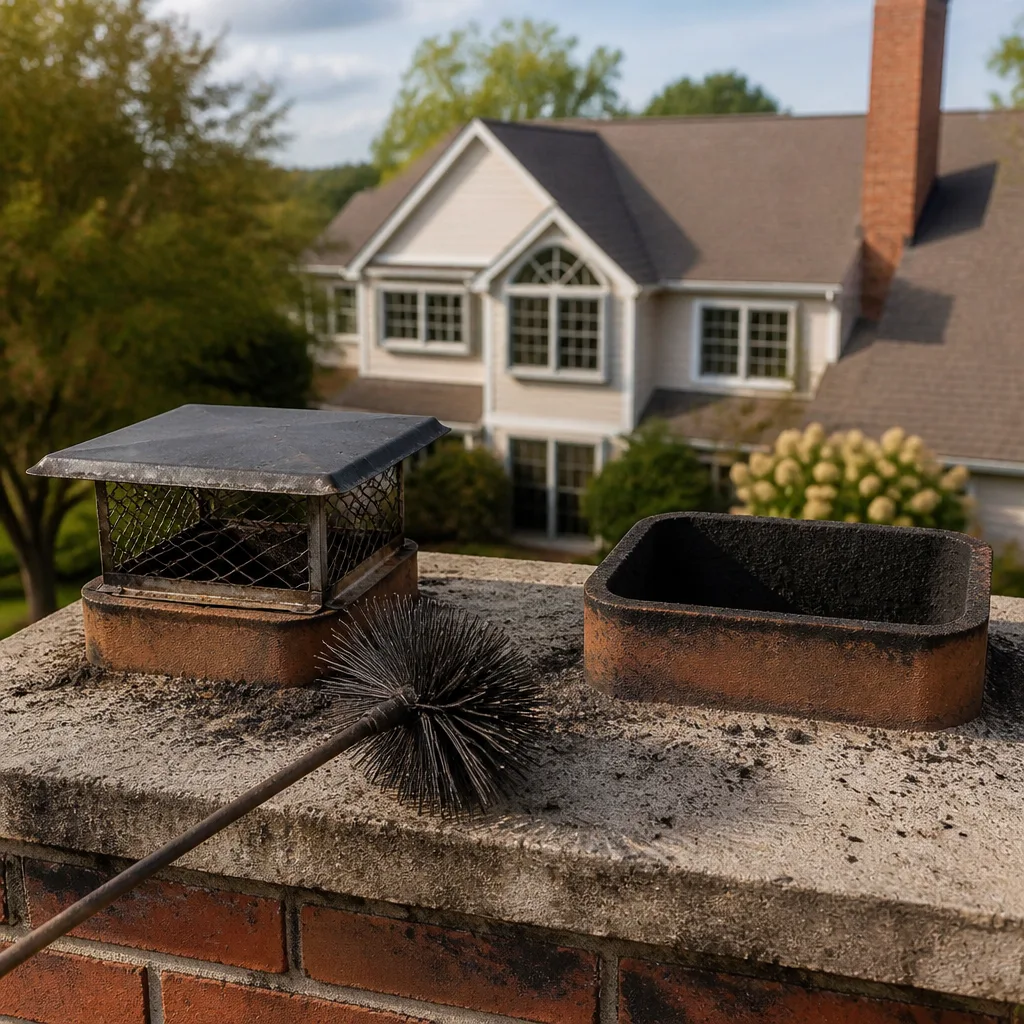 Sweep & inspection
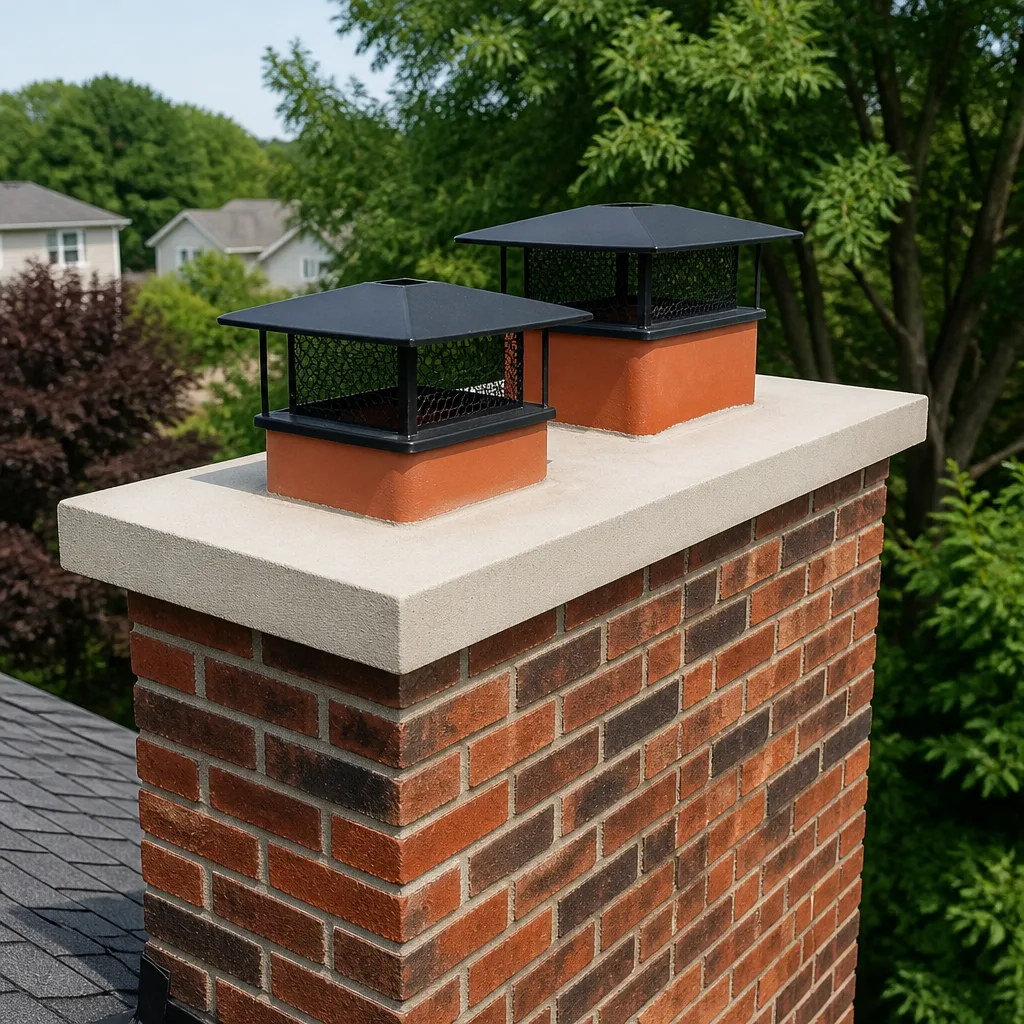 Caps & crowns
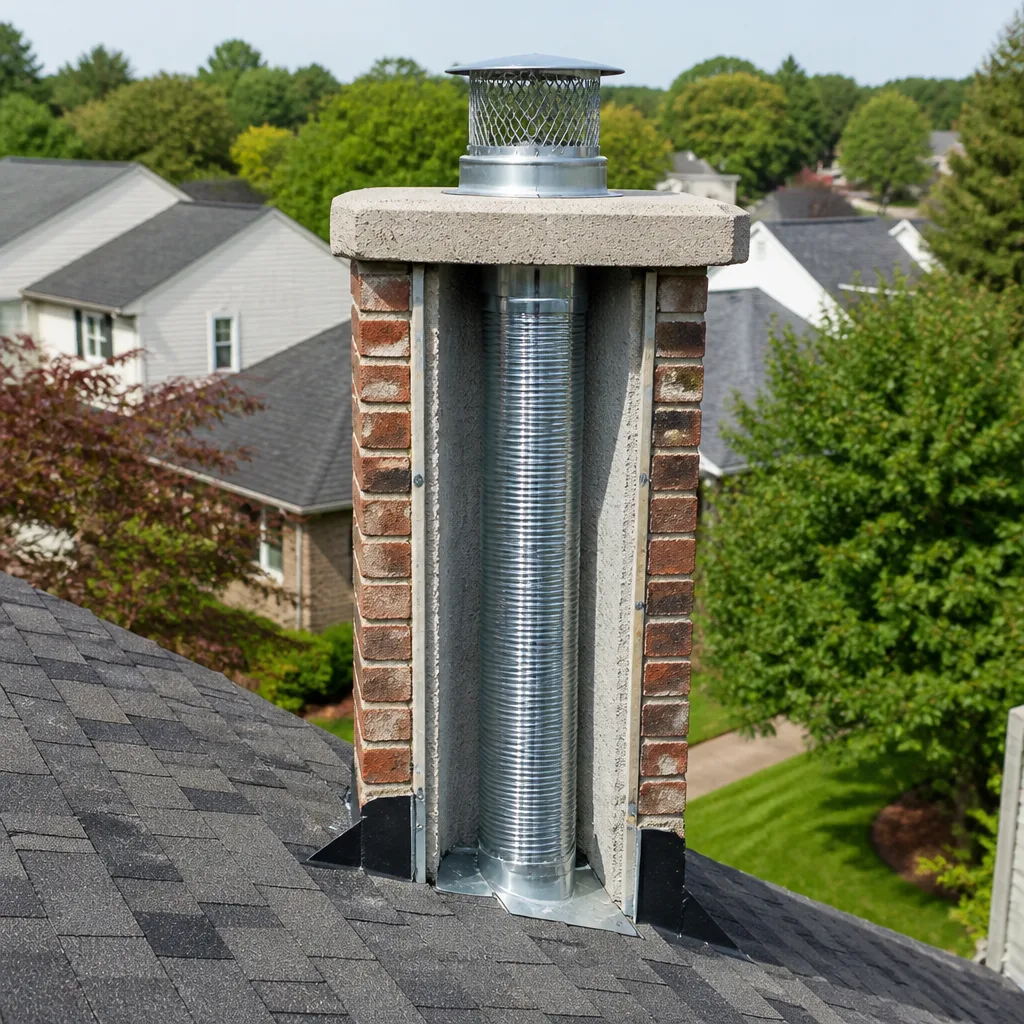 Flue relining
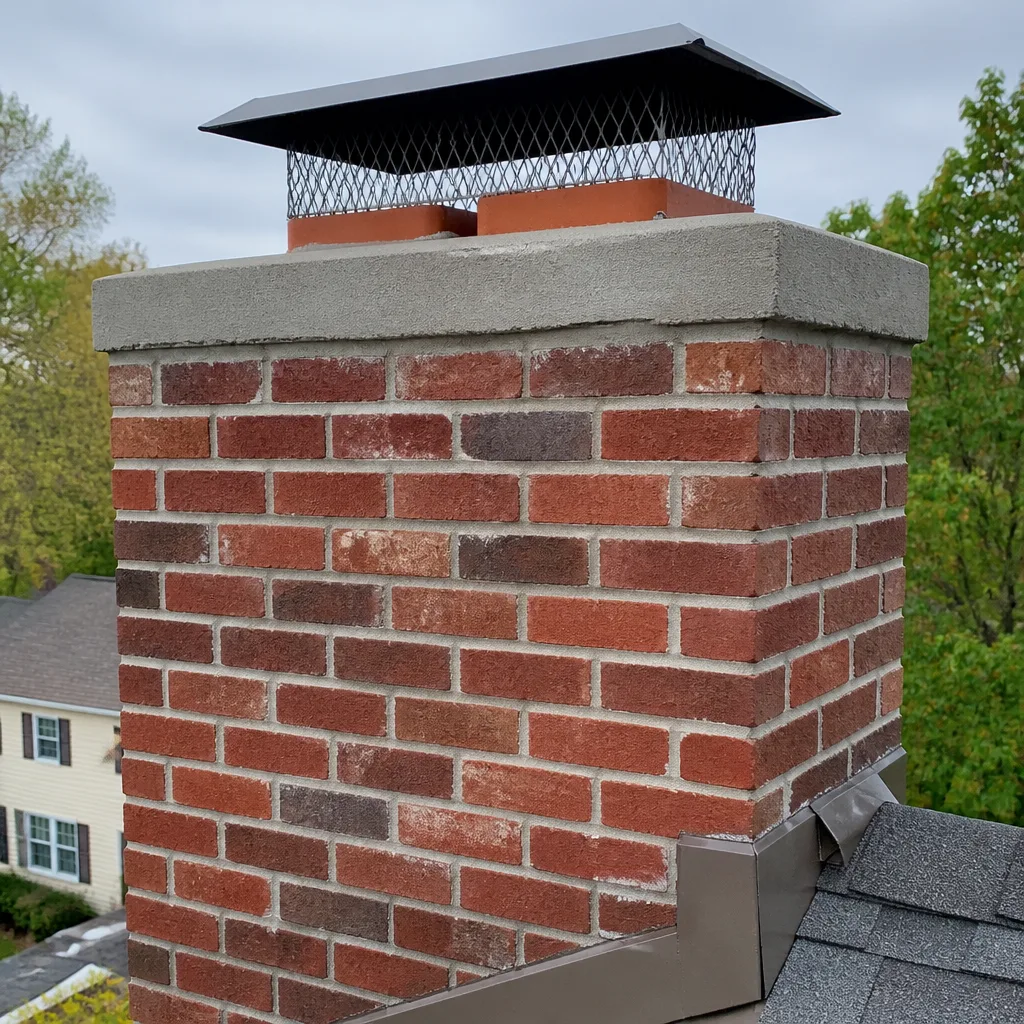 Masonry repair
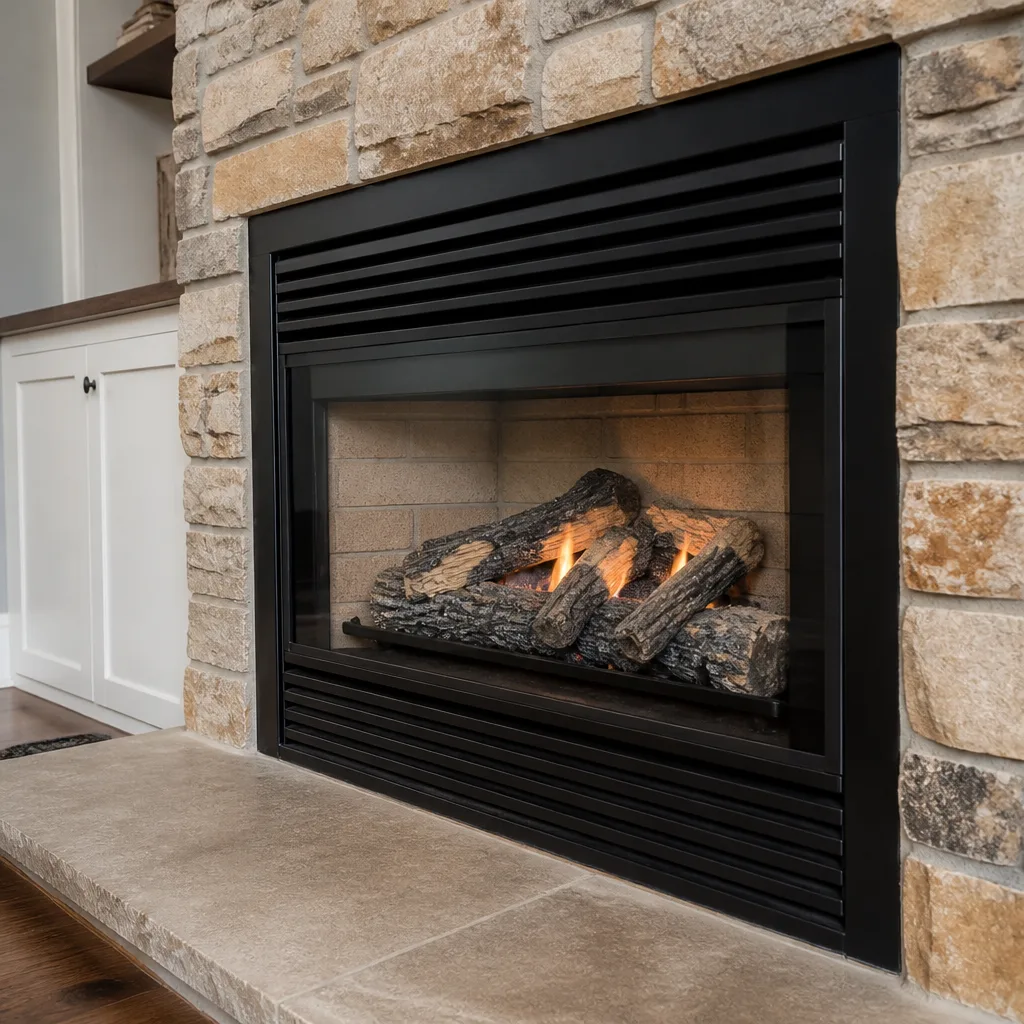 Gas fireplace service
Level 1 sweep and inspection to the NFPA 211 annual standard - flue, crown, cap, and flashing checked and photographed
Chimney sweep logs do not sweep chimneys. They loosen some creosote - which then falls where a brush and vacuum still have to collect it.
The Complete Guide to Chimney Cleaning in Westminster
At 5,374 feet above sea level, Westminster chimneys draft differently than those at sea level, and that physical reality changes how quickly creosote accumulates and what a thorough cleaning actually requires. A fire that burns cleanly at low elevation can smolder at altitude, and smoldering fires leave behind more than smoke. Most chimney guides are written for a generic American house on flat ground. This one treats a Westminster chimney as the distinct mechanical system it is: a high-altitude flue working through dry Front Range winters, temperature swings that would surprise a coastal reader, and a housing stock full of wood-burning inserts. You’ll learn how altitude, fuel choice, and local weather drive your cleaning schedule, how the three inspection levels differ and which one your home actually needs, and what sweep-only contractors tend to miss.
Quick Answer
Chimney cleaning in Westminster means removing creosote and soot from the firebox, smoke chamber, and flue, then inspecting the whole system to confirm it can safely carry smoke out of the house. Most Westminster homes with a wood-burning fireplace or insert should be swept once a year, and more often if you burn pine or burn frequently at high altitude. A good cleaning always includes a camera inspection, because a firebox that looks clean tells you nothing about the hidden condition of the liner.
Styles & brands we work with
- Sweep & inspection
- Caps & crowns
- Flue relining
- Masonry repair
- Gas fireplace service
Table of Contents
- Why Westminster’s Altitude Changes How Your Chimney Works
- Level 1, 2, and 3 Inspections: Which One Do You Need?
- Why a Clean Firebox Doesn’t Mean a Safe Flue
- Foothills Pine vs. Seasoned Hardwood: What It Means for Cleaning Frequency
- Full-Service vs. Sweep-Only: What Gets Missed
- What a Real Chimney Cleaning Looks Like, Step by Step
- How Much Does Chimney Cleaning Cost in Westminster?
- How Often Should You Schedule a Cleaning?
Why Westminster’s Altitude Changes How Your Chimney Works
Air is thinner at 5,374 feet, which means there’s less oxygen packed into every cubic foot your fire draws in. A wood fire needs oxygen to burn hot and clean, and when the supply is thin, the fire tends to run cool and incomplete. Cool, incomplete combustion produces more creosote than a hot fire does. That’s the core reason a Westminster chimney can accumulate deposits faster than the same fireplace in a lower-elevation city, even when the homeowner burns the same amount of wood.
The other half of the story is draft. A chimney drafts because warm exhaust is lighter than the cold air outside, and the taller the column of warm gas, the stronger the pull. Altitude doesn’t remove that physics, but it does change the pressure balance, and Westminster’s rapid temperature swings make it worse. A mild afternoon followed by a hard freeze creates a cold flue in the evening, and a cold flue is slow to establish draft. When draft lags, smoke lingers in the firebox, the fire starves for air, and creosote builds on the cooler walls of the flue.
What does that mean for you in practical terms?
- Warm the flue before lighting. A few minutes of a small, hot kindling fire gets the column moving and reduces the smoldering stage that lays down creosote.
- Don’t choke the fire overnight. Damping a fire down to stretch it until morning is the single fastest way to coat a high-altitude flue.
- Expect a slightly shorter cleaning interval. Homes here that burn regularly tend to need attention within the year rather than stretching toward two.
Draft problems also show up as symptoms homeowners misread: a fireplace that smokes into the room when it’s cold outside, a gassy smell on still evenings, or a fire that’s hard to get going. Those can point to a flue that’s undersized, blocked, or simply too cold, and only an inspection sorts out which. If your fireplace has its own quirks, a fireplace repair visit can separate a draft diagnosis from a genuine mechanical fault.
Level 1, 2, and 3 Inspections: Which One Do You Need?
Chimney inspections aren’t one thing. The industry separates them into three levels, and the right one depends on what changed since your last look. A Level 1 inspection is a visual check of readily accessible parts of the chimney and firebox, done as part of a routine annual sweep. It catches obvious problems like heavy creosote, a damaged damper, or a loose cap, and it’s the right choice when nothing about the system has changed.
A Level 2 inspection goes further. It uses a camera to examine the inside of the flue, checks accessible portions of the chimney exterior, and looks at connections and clearances. This is the level that matters after any change in the chimney’s condition or use: a chimney fire, a change of fuel type, a new appliance, a liner installation, or a real estate transaction. It’s also the level that makes sense after a heavy smoke season, because external soot and shifting conditions are worth documenting from the inside rather than assuming from the firebox.
A Level 3 inspection is the most involved. It’s reserved for cases where a Level 1 or 2 reveals a problem that can’t be evaluated without opening up concealed parts of the chimney, such as removing a wall section or a crown component. Most homeowners never need one, but when a camera inspection or a visible crack points to a hidden defect, Level 3 answers the question.
Here’s how to choose:
- Routine annual maintenance, nothing changed: Level 1.
- After a chimney fire, a fuel or appliance change, a purchase or sale, or an unusually heavy smoke season: Level 2.
- A Level 1 or 2 found something hidden that needs opening up: Level 3.
For Westminster homeowners who’ve been through a rough smoke season and are now second-guessing their system, a Level 2 is the honest starting point. It gives you camera evidence of what’s actually inside the flue, and you see the same footage we do. Our chimney repair work usually begins with exactly that kind of inspection, because repairs only make sense once you know what you’re repairing.
Why a Clean Firebox Doesn’t Mean a Safe Flue
A firebox can look spotless while the flue above it is lined with glazed creosote. The firebox is the part you see, and it’s the part a quick sweep tends to handle. The dangerous zones are the ones you can’t see from the hearth: the smoke chamber, the smoke shelf, the top of the flue, and the joints between liner sections. Those areas collect creosote in ways the firebox never shows.
The smoke chamber is the tapered space between the firebox and the flue. It’s wide, oddly shaped, and easy to skip, and it’s a classic hiding place for layered deposits. The smoke shelf, a ledge just behind the damper, traps soot and debris that a firebox-only cleaning leaves behind. Up top, the flue crown and cap area collect debris, nesting material, and weather intrusion that has nothing to do with how much wood you burn.
Then there’s the liner itself. A clay tile liner can crack from a chimney fire or from thermal stress, and a cracked tile lets hot gases and carbon monoxide reach the structure around the flue. No amount of scrubbing the firebox will show you that. Only a camera run up the flue will.
This is why we treat cleaning and inspection as one job rather than two. When we sweep a Westminster chimney, camera inspection and a photo report come with it, so you can see the smoke chamber, the flue joints, and the cap for yourself. If the liner is sound, we tell you so and leave it alone. If it’s not, we can line it with a DuraFlex system or restore the firebox with HeatShield, and you don’t have to find a second contractor to finish what the cleaning revealed.
Foothills Pine vs. Seasoned Hardwood: What It Means for Cleaning Frequency
What you burn matters as much as how often you burn it. Pine and other softwoods from the foothills are plentiful around Westminster, easy to split, and quick to light, but they’re resinous and they burn fast and hot with a lot of volatile compounds in the smoke. Those volatiles are what condense into creosote on a cool flue wall. A household burning mostly pine will build deposits faster than one burning seasoned hardwood, especially when the fire is damped down and the smoke has time to cool before it exits.
Seasoned hardwood, by contrast, burns longer and cleaner. The key word is seasoned. Wood that’s still green holds water, and water cools the fire, which pushes combustion toward the smoldering end of the spectrum and accelerates creosote. Whether it’s pine or hardwood, dry wood burned hot beats wet wood burned slow.
How this changes your cleaning schedule:
- Mostly pine, frequent fires: plan on an annual sweep and expect the sweep to be a real one, with meaningful deposit removal.
- Seasoned hardwood, occasional fires: annual is still the right rhythm for inspection purposes, but deposit volume is usually lighter.
- Mixed fuel, heavy winter use: annual is the floor, and a mid-season look at the flue is reasonable if the fire has been running hard.
- Gas fireplace or insert: the creosote profile is different, but the flue still needs inspection, because gas appliances have their own venting and carbon monoxide considerations.
In our experience, the Westminster homes that need the most attention are the ones where a wood insert runs most evenings through the cold months. Inserts burn efficiently, but they concentrate heat and exhaust through a smaller flue, and small flues coat quickly. If that describes your setup, don’t stretch the interval. A yearly chimney sweep is the cheapest insurance against a chimney fire you’ll ever buy.
Full-Service vs. Sweep-Only: What Gets Missed
A sweep-only contractor cleans the firebox and the flue and leaves. That’s fine when nothing’s wrong. The problem is that a cleaning is also a diagnostic opportunity, and when the person holding the brush can’t fix what they find, the homeowner ends up with a list of problems and no plan. We’ve seen this pattern often enough in Westminster to recognize it: a cleaning reveals a cracked crown or a failing liner, the sweep hands over a note, and the homeowner has to start over finding someone to do the repair.
Full-service work changes the sequence. Diagnosis, cleaning, repair, and hardware installation happen as one job, by the same team, using the same inspection evidence. That matters most in three areas:
- The cap and crown. These are the chimney’s roof and hat. A missing or damaged cap lets water in and lets animals nest; a cracked crown lets water into the masonry and freeze-thaw cycles in a Front Range winter do the rest. Cap and crown work is part of the same system.
- The liner. When a flue needs relining, DuraFlex liner systems bring it back to compliance, and that’s a repair, not a cleaning.
- The firebox. HeatShield restoration rebuilds a firebox that’s spalled or cracked, which is specialty work most sweep-only services simply don’t offer.
The materials list matters here too. We work with the professional-grade lines that certified chimney pros specify, including DuraFlex, HeatShield, Gelco, and Olympia Chimney, because the parts you can’t see are the ones that decide whether a chimney is safe in five years. A single-source provider means your chimney system, from sweep to structural repair, stays with one team. That’s the difference between a cleaning and a real maintenance program.
What a Real Chimney Cleaning Looks Like, Step by Step
Knowing what a proper cleaning involves helps you judge whether the work you’re paying for is thorough. Here’s the sequence a full cleaning follows, and it’s the same whether the chimney is in Westminster or anywhere in the region.
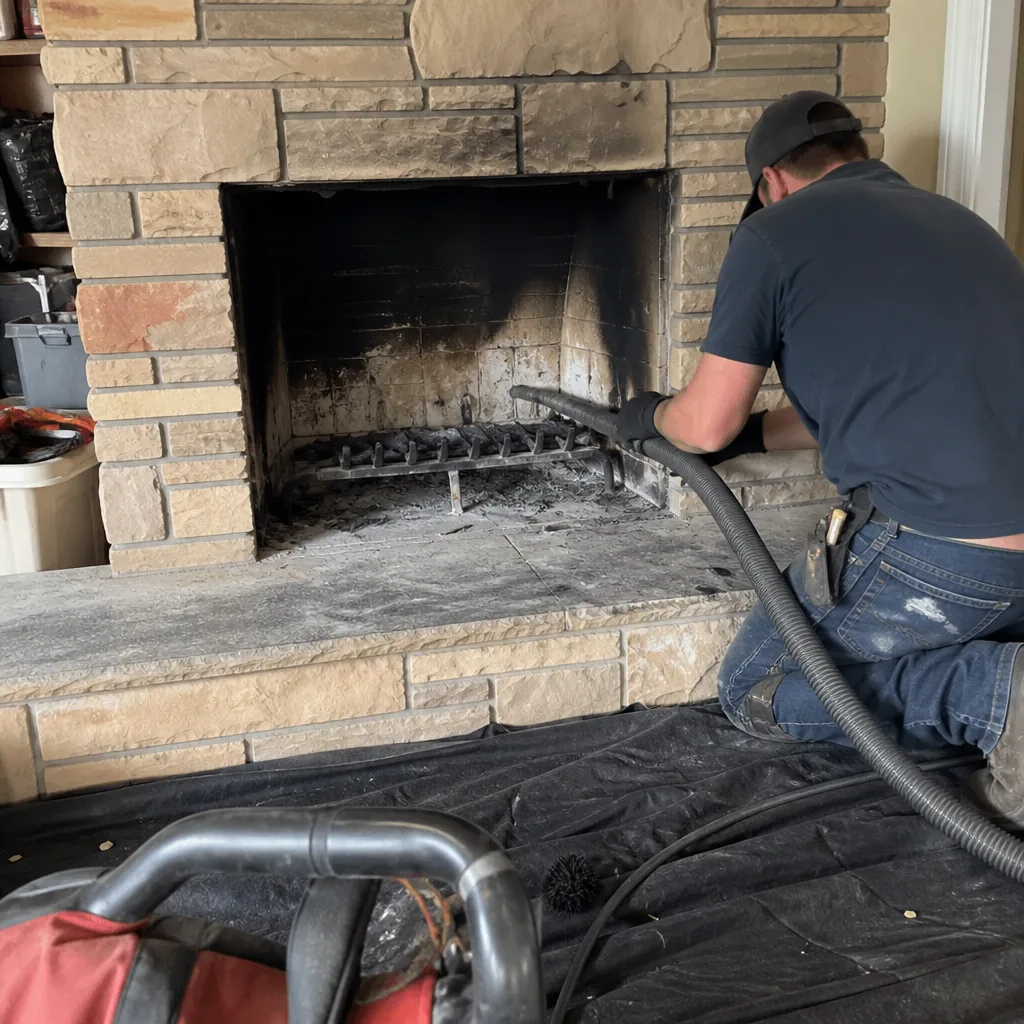
- Protect the room. Drop cloths and a sealed work area keep soot out of your living space. A cleaning that leaves a mess is a cleaning done carelessly.
- Inspect before sweeping. We look at the firebox, damper, smoke chamber, and cap before touching a brush, so we know what we’re dealing with and can spot damage that sweeping could worsen.
- Sweep the flue. Rotary or brush tools work from the top down or bottom up depending on the setup, loosening creosote and soot from the flue walls and joints.
- Clear the smoke chamber and shelf. This is the zone most quick sweeps skip. It’s also where deposits hide.
- Clean the firebox and damper. Soot and ash come out; the damper is checked for free movement.
- Run the camera. A camera inspection confirms the flue interior, checks for cracked tiles and gaps, and produces the photo record you keep.
- Review findings with you. You see the footage. We tell you what’s sound, what’s not, and what can safely wait.
Two safety notes belong here. The first is that creosote comes in stages, and the glazed, tar-like stage is highly flammable. A chimney fire fed by glazed creosote can damage the flue or spread beyond it, which is why heavy deposits get removed rather than ignored. The second is that the flue liner and the connections around it are not a do-it-yourself area. A homeowner can safely check the firebox for obvious cracks, keep the cap clear, and confirm the damper opens, but the inside of a flue and any liner work should go to a trained professional. Carbon monoxide has no smell, and a damaged liner can let it into a house without any visible sign.
How Much Does Chimney Cleaning Cost in Westminster?
A routine chimney cleaning for a typical Westminster home generally falls in the range of a few hundred dollars, and the final number depends on the flue configuration, the amount of deposit, and whether the fireplace is a standard open hearth or an insert. Because every chimney is different, we don’t publish a flat rate that would mislead half the homeowners who read it. What we do commit to is a written estimate before any work starts, and a free estimate to get you there.
The main factors that move the price:
- Access. A roof-level flue on a steep-pitch Westminster roof takes more setup than a straight run.
- Insert vs. open fireplace. Inserts often need the appliance pulled or worked around, which adds labor.
- Deposit volume. Light soot sweeps fast. Glazed creosote takes more time and more care.
- Inspection level. A Level 1 inspection is part of the sweep. A Level 2 with a full camera run is a larger job.
- Repairs found along the way. A cracked crown, a failed cap, or a liner problem is separate work, quoted separately.
Here’s the part that matters most: you shouldn’t accept a price for repair work you can’t verify. If someone tells you the liner is failing, ask to see the camera footage. We include camera inspection and a photo report with the cleaning, and we’re upfront when something can safely wait until next season. A repair that isn’t urgent shouldn’t be sold as one.
For a specific number on your house, call (855) 658-4345. We answer 24/7. Fast dispatch from 7am to 7pm, Sunday through Friday. Estimates are free.
How Often Should You Schedule a Cleaning?
Once a year is the standard answer for a home that burns wood regularly, and it’s the right rhythm for most Westminster households. The annual sweep isn’t only about removing creosote. It’s the once-a-year moment when someone with training looks at the whole system and catches small problems before they become expensive ones. Skipping it is how a cracked crown turns into saturated masonry and a small liner crack turns into a carbon monoxide concern.
Some homes need more frequent attention:
- Heavy burners. If the fireplace runs most evenings from fall through spring, plan on annual at minimum.
- Pine-heavy fuel. Resinous softwood builds deposits faster; don’t stretch the interval.
- Inserts with small flues. Concentrated exhaust through a narrow flue coats quickly.
- After a chimney fire or a fuel change. A Level 2 inspection belongs on the calendar regardless of the last cleaning date.
Gas fireplaces don’t produce wood creosote, but their flues and venting still need inspection, and a yearly look keeps the venting clear and the appliance safe. New home purchases are their own category: a Level 2 inspection before or shortly after closing gives you a documented baseline. The right time to book is before the cold season starts, when the fireplace is about to go back into service and a fresh inspection is most useful.
Common Mistakes to Avoid
- Judging the flue by the firebox. A spotless firebox says nothing about the smoke chamber or liner. Insist on a camera inspection, because the dangerous zones are the ones you can’t see.
- Burning wet or green wood. Westminster’s dry winters tempt homeowners to burn whatever’s on hand, but unseasoned wood smolders and lays down creosote fast. Dry wood burned hot is the whole game.
- Damping the fire overnight. Stretching a burn until morning starves the fire of oxygen and coats a cool flue. At this altitude the effect is amplified.
- Skipping the cap and crown. A missing cap invites animals and water; a cracked crown lets freeze-thaw cycles in a Front Range winter split the masonry. Both are cheap to fix early and costly to fix late.
- Hiring a sweep-only contractor for a system problem. If the cleaning turns up a liner or crown issue, a sweep who can’t do the repair leaves you scrambling. Choose a specialist who resolves the whole system.
- Assuming a gas fireplace needs no maintenance. Gas appliances have their own venting and carbon monoxide considerations; the flue still gets inspected.
- Waiting for a problem to announce itself. Creosote and cracked liners rarely give a warning you’d notice from the living room. The annual inspection is the early-warning system.
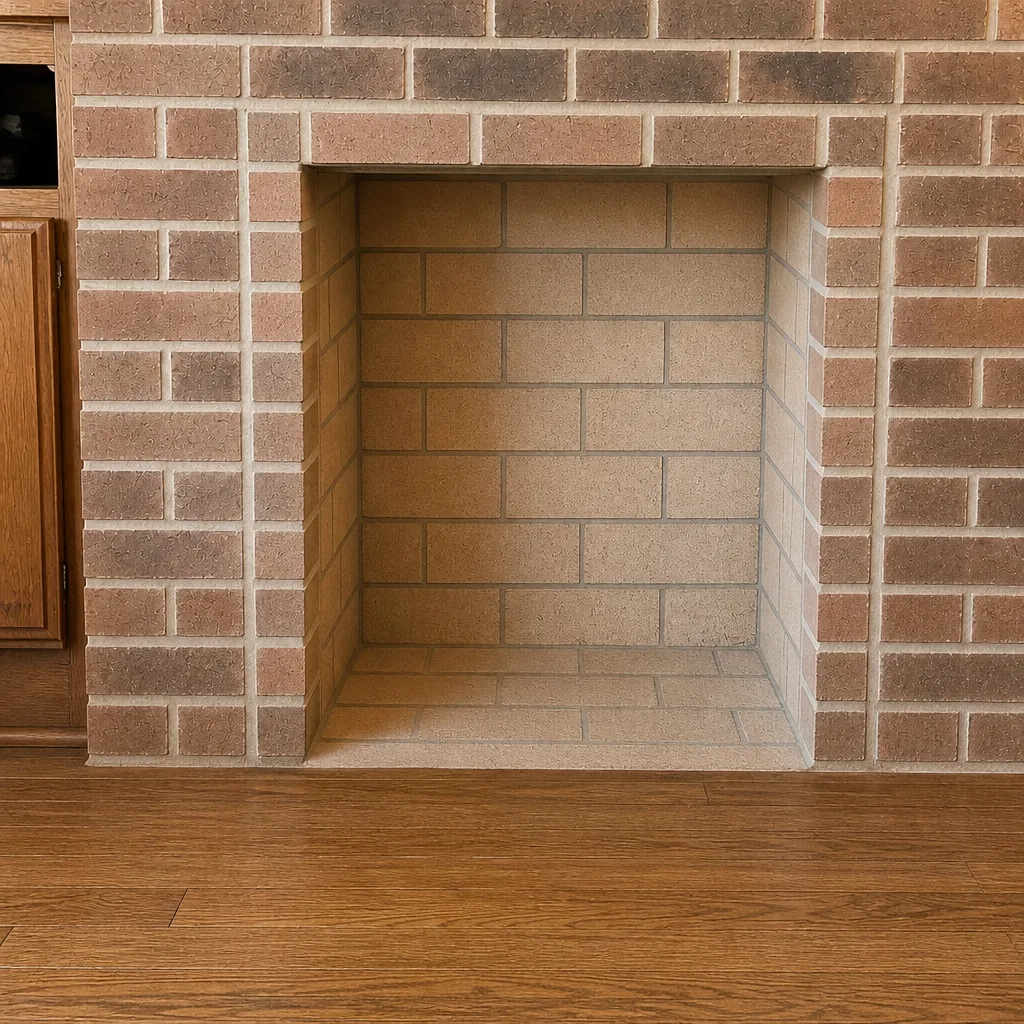
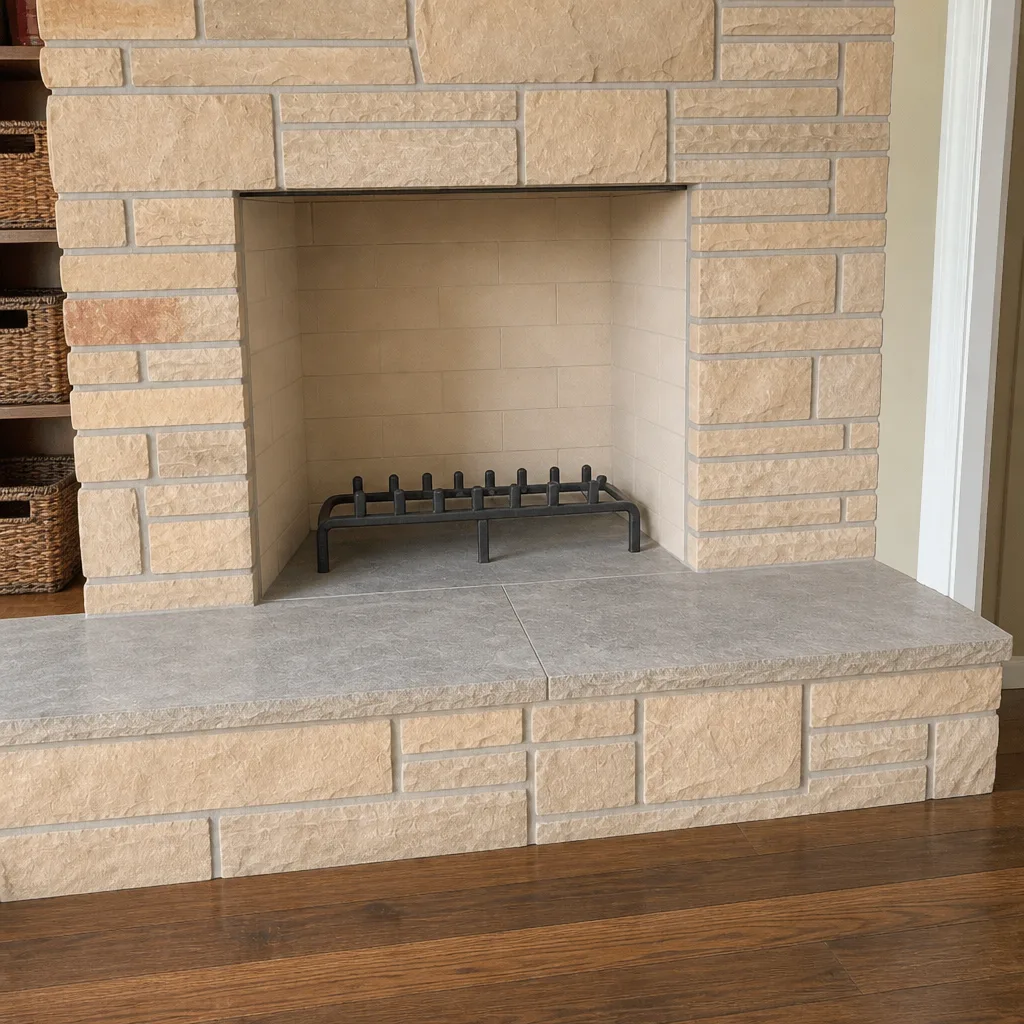
See the difference
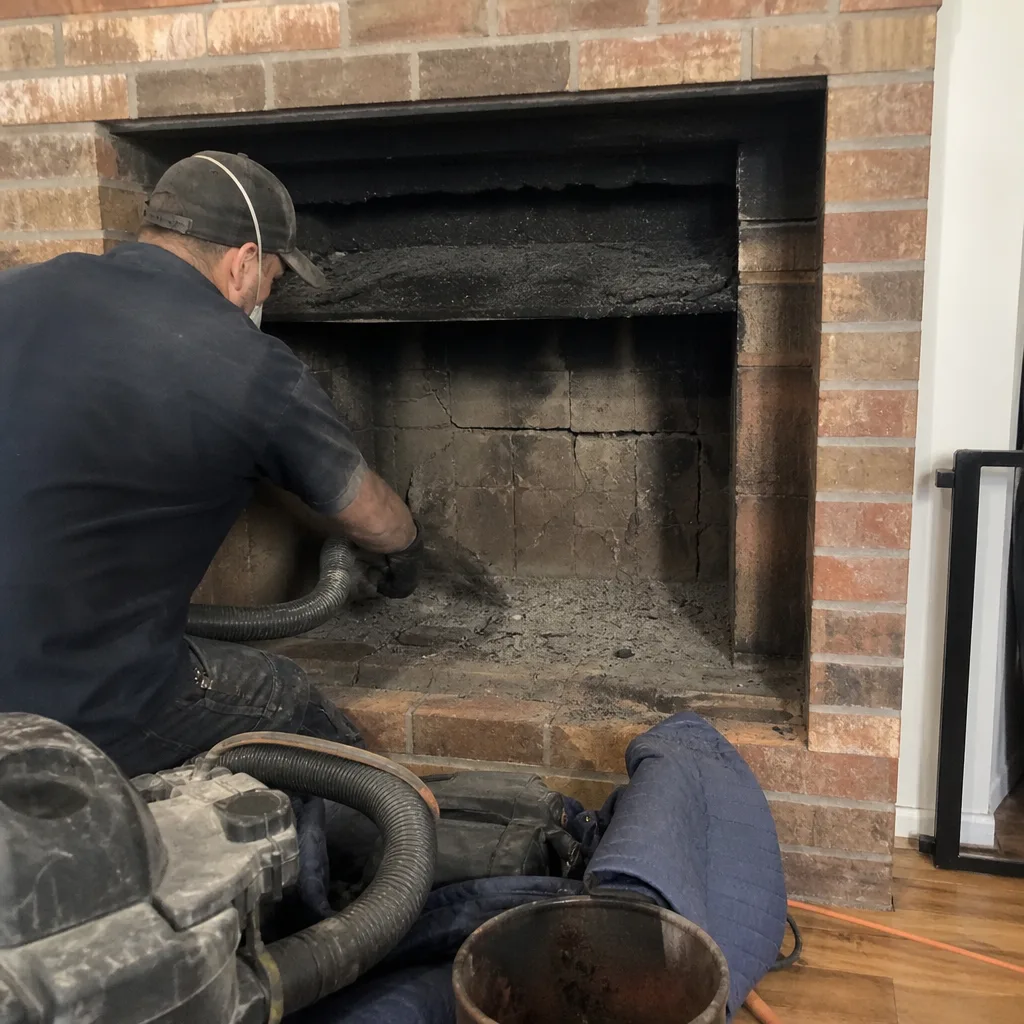 Before
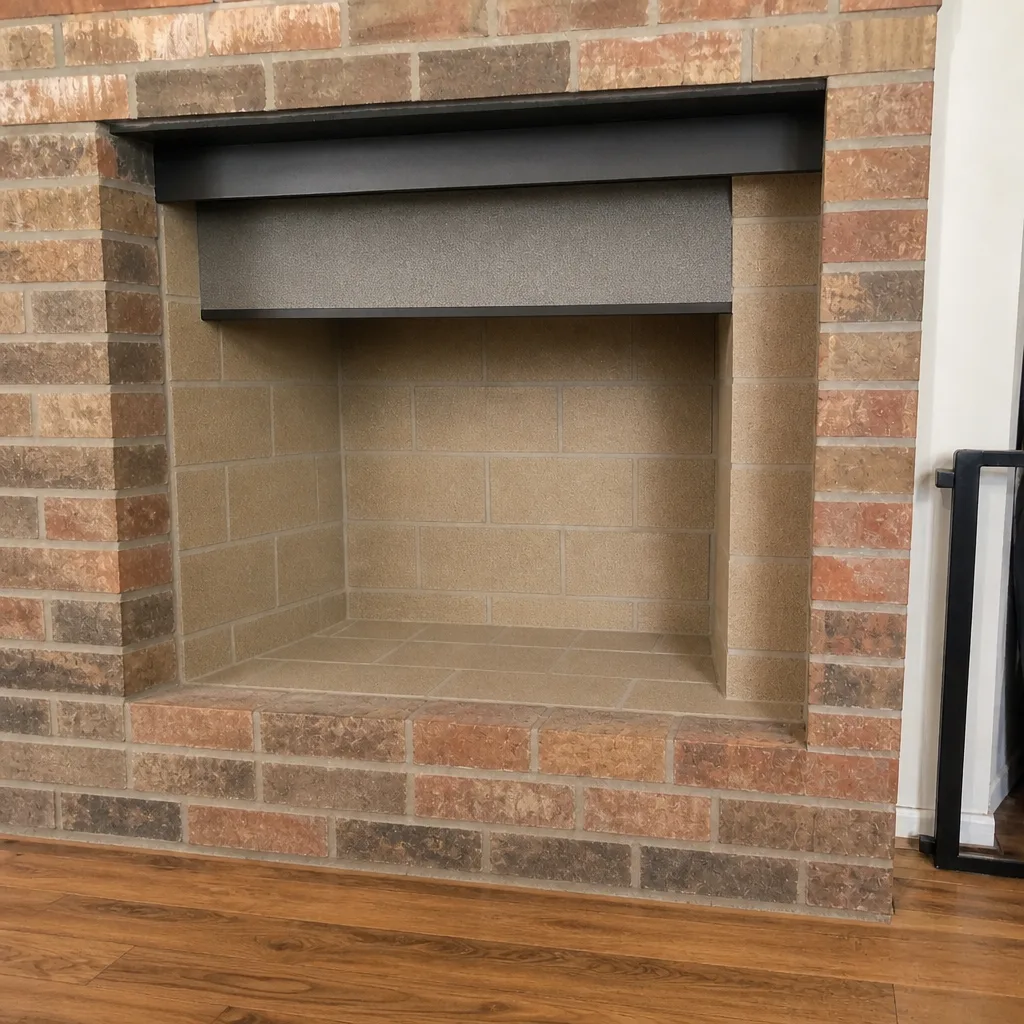 After
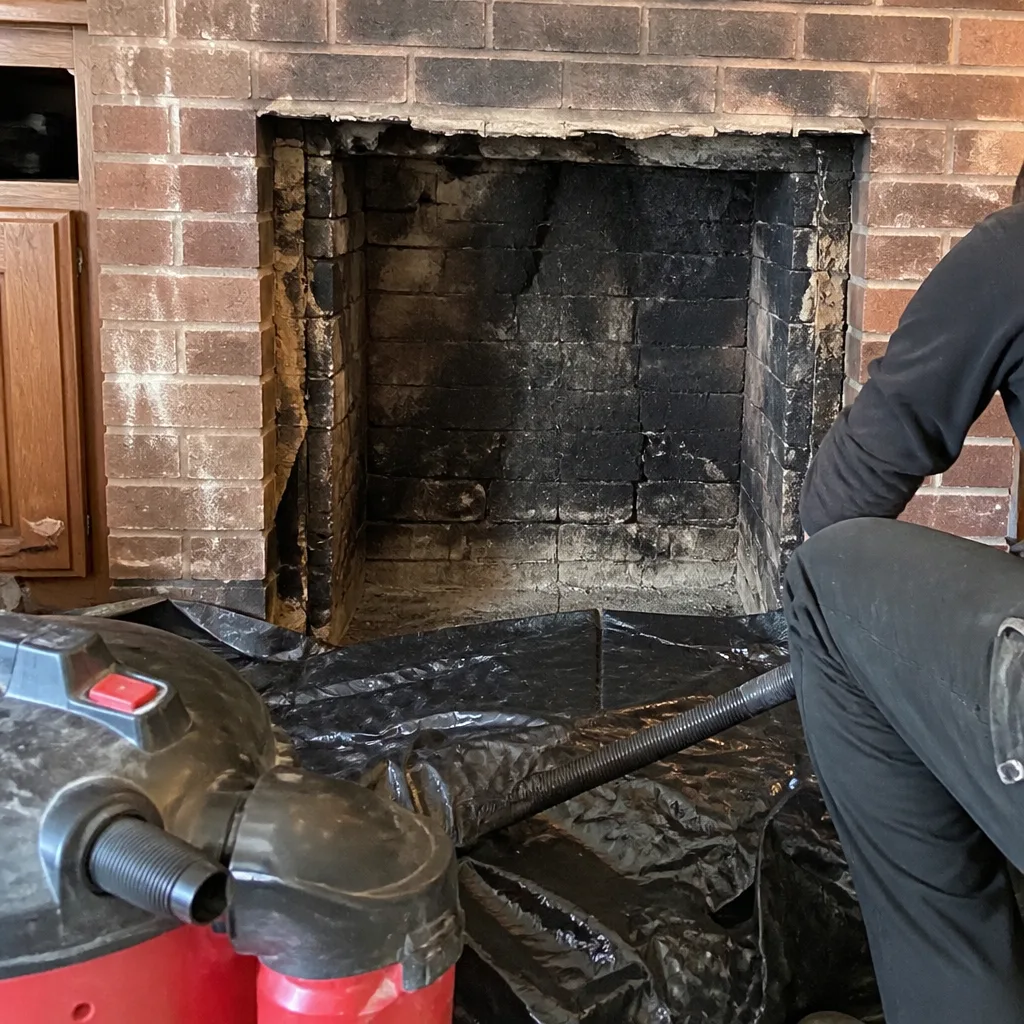 Before
 After
 Before
 After
When to Call a Professional
Some jobs are clearly professional work, and it’s worth knowing which. If you’ve had a chimney fire, even a small one, call before lighting the fireplace again, because the flue needs a Level 2 inspection before it’s trusted. If you smell a gassy odor on still evenings, notice smoke rolling into the room instead of up the flue, or see cracked or spalled masonry in the firebox, those are signs to stop burning and get the system looked at. If you’re buying or selling a home in Westminster, a documented inspection is part of the transaction. And if it’s simply been more than a year since the last cleaning, that’s reason enough. Westminster Chimney Sweep Pros offers free estimates in Westminster. Call (855) 658-4345. We answer 24/7. Fast dispatch from 7am to 7pm, Sunday through Friday.
Frequently Asked Questions
A routine cleaning for a typical Westminster home generally falls in the range of a few hundred dollars, and the written estimate sets the final price. Flue configuration, deposit volume, insert versus open fireplace, and whether a Level 2 inspection is needed all affect the number. Call (855) 658-4345 for an exact quote. Estimates are free.
Once a year for a home that burns wood regularly, and more often if you burn pine or run the fireplace hard through the winter. Annual cleaning is also the yearly inspection that catches small problems early. If it’s been longer than a year, book a sweep before the next burning season, and call (855) 658-4345 to schedule it.
Only if the camera inspection shows the liner is cracked, gaping, or otherwise unable to contain the flue gases, and you should see that footage yourself before agreeing to anything. A sound liner doesn’t need replacing no matter how old the chimney is. When relining is warranted, a DuraFlex liner system restores compliance, and we walk you through the evidence first. Call (855) 658-4345 if you want a second look at a liner recommendation.
Creosote keeps building, and at the glazed stage it’s highly flammable, so the risk of a chimney fire rises with every season you put it off. A cracked liner can also let carbon monoxide into the house without any visible sign. Skipping isn’t a maintenance delay, it’s a safety decision. Call (855) 658-4345 to get on the schedule.
It can. At 5,374 feet the air is thinner, fires tend to burn cooler and less completely, and a cool flue condenses more creosote, so a Westminster chimney may coat faster than one at lower elevation. Practically that means sticking to the annual rhythm rather than stretching it. Call (855) 658-4345 and we’ll tell you what your setup likely needs.
Yes. Sweeping, inspection, fireplace and chimney repair, and cap and crown work are all handled by the same team, so you’re not sent to a second contractor when the camera finds a problem. We use professional-grade materials including DuraFlex, HeatShield, and Olympia Chimney. Call (855) 658-4345 for a free estimate that covers the whole job.
The Bottom Line
A Westminster chimney isn’t interchangeable with a chimney anywhere else. Altitude thins the air, cool fires leave more creosote, dry winters stress the masonry, and a housing stock full of inserts concentrates exhaust through small flues. The annual sweep is the foundation, but the real value is the inspection that comes with it, because a clean firebox can hide a failing liner. Choose a specialist who cleans, inspects, and repairs as one job, and who shows you the camera evidence before recommending anything. Your entire chimney system can be cleaned, inspected, and repaired by one team, and that’s the whole point.
Westminster Chimney Sweep Pros handles chimney sweep, fireplace repair, chimney repair, inspection, and cap and crown work for homes and property managers across Westminster. We bring the full system together, from routine cleaning to liner and firebox restoration, using the professional-grade materials certified chimney pros specify. For a free estimate, call (855) 658-4345. We answer 24/7. Fast dispatch from 7am to 7pm, Sunday through Friday. You can also start with Westminster Chimney Sweep Pros to see the full range of services.
Written by the team at Westminster Chimney Sweep Pros.