
Last updated November 23, 2026
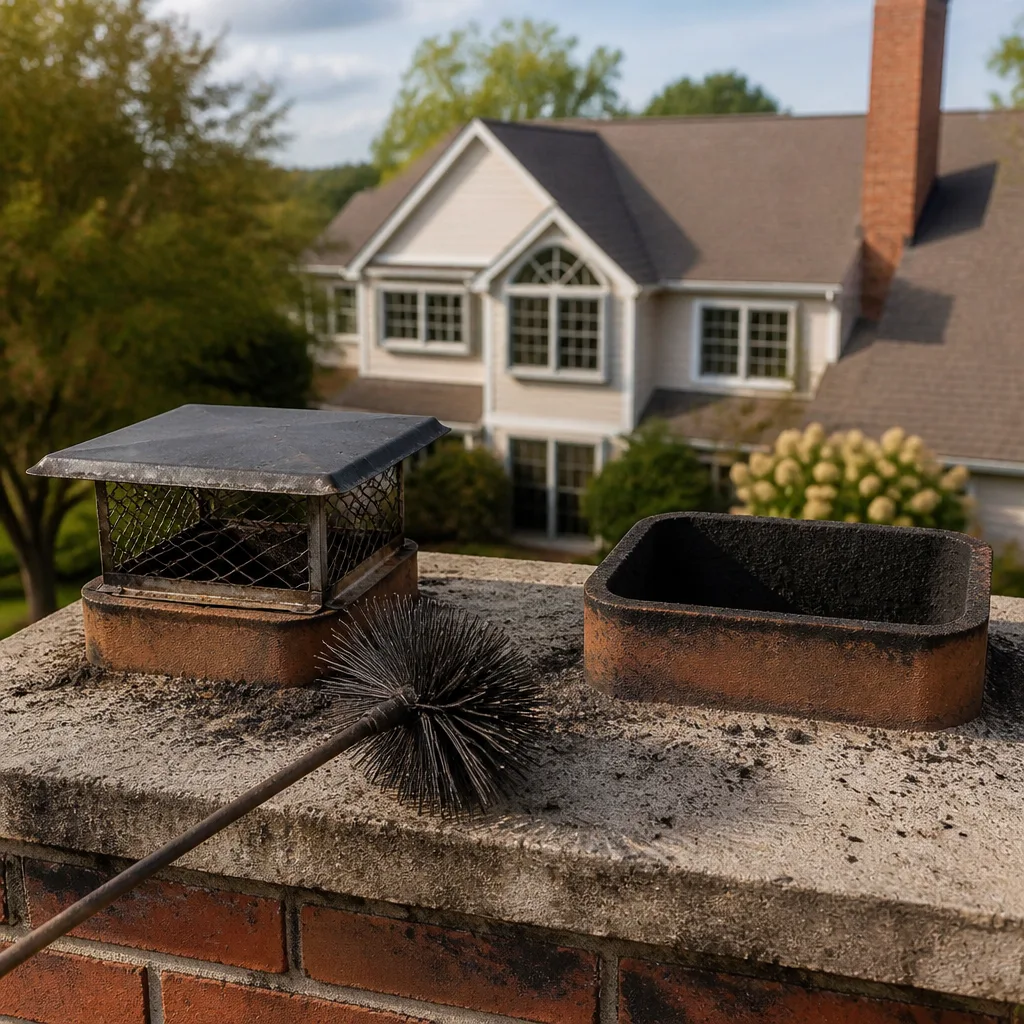 Sweep & inspection
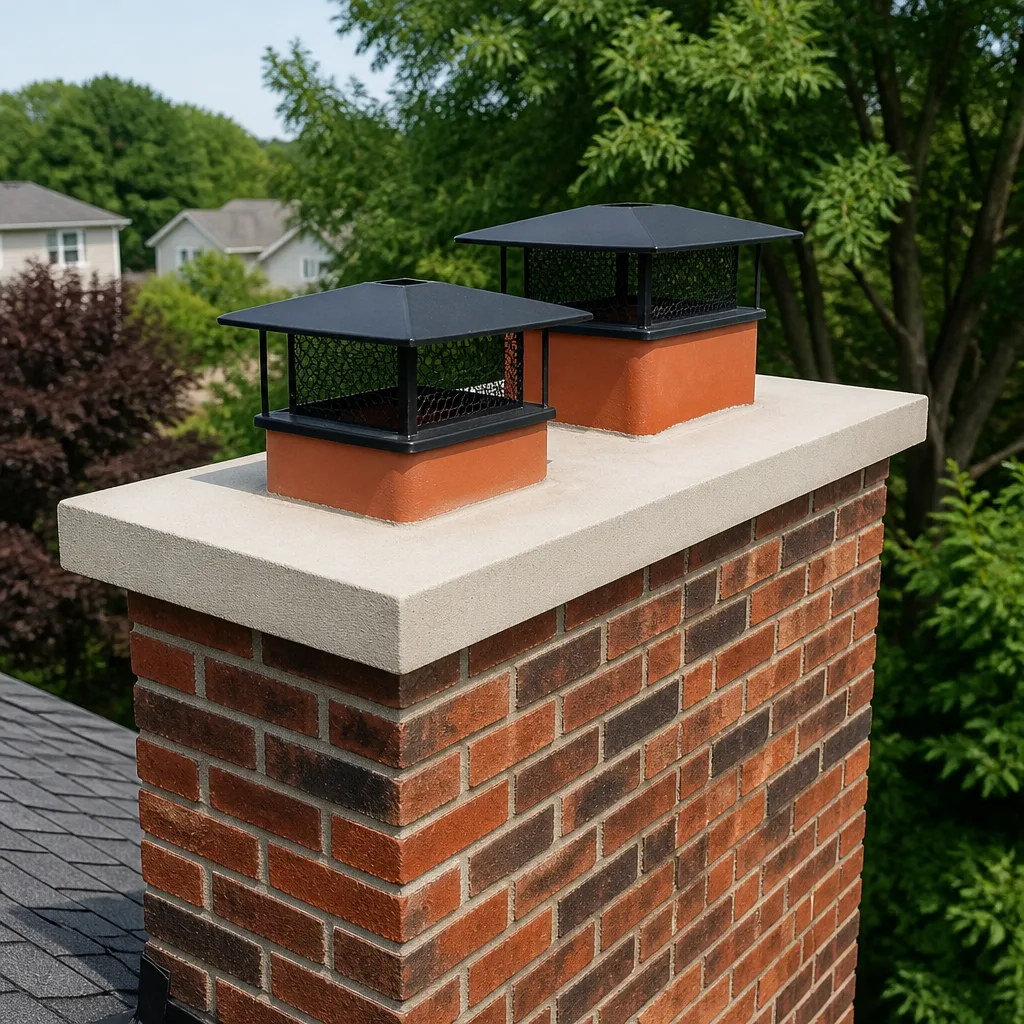 Caps & crowns
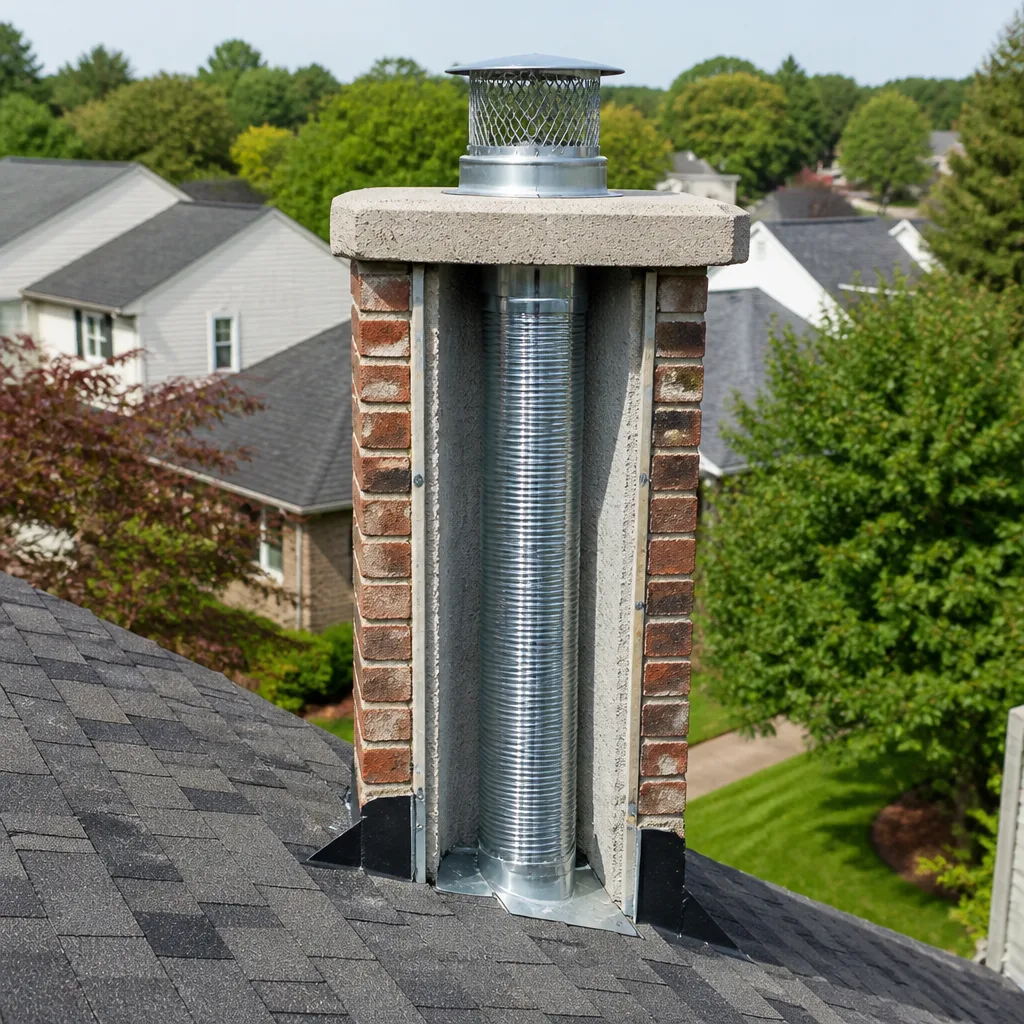 Flue relining
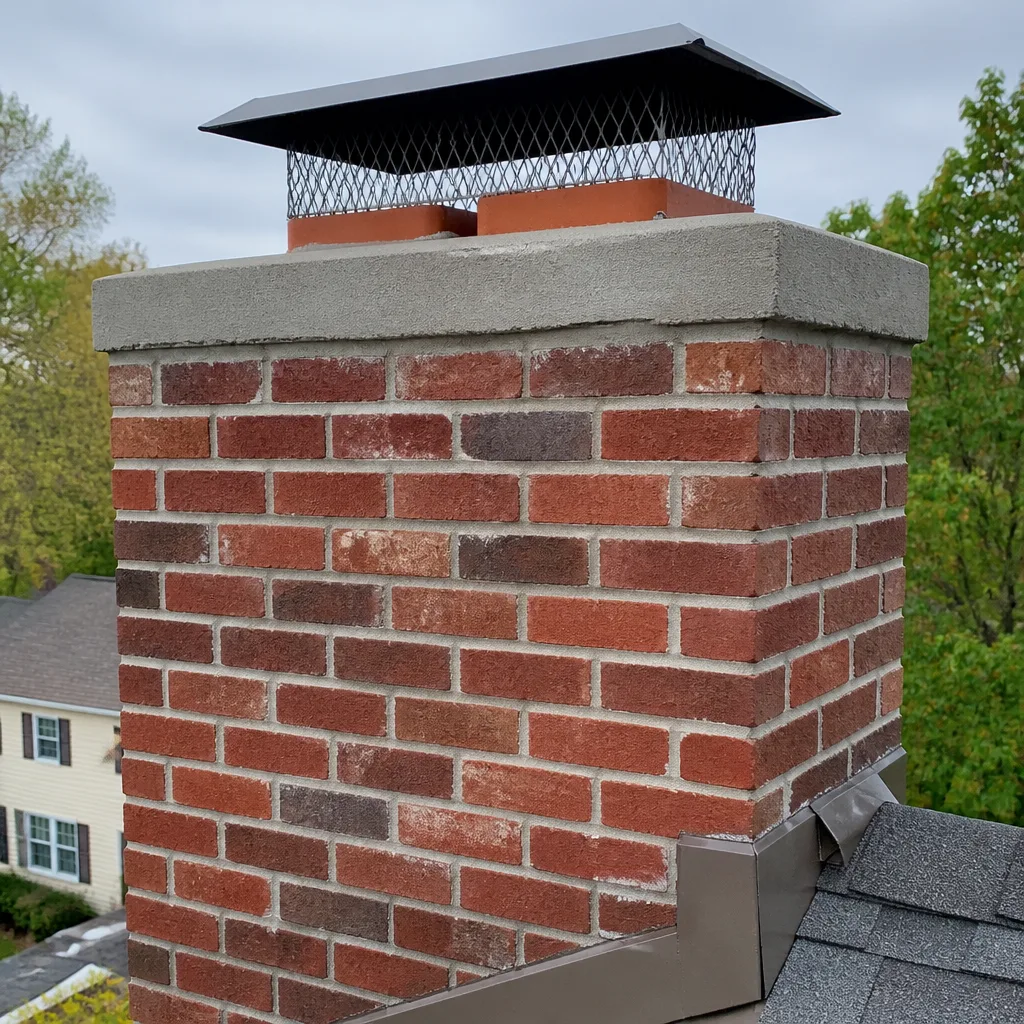 Masonry repair
 Gas fireplace service
Level 1 sweep and inspection to the NFPA 211 annual standard - flue, crown, cap, and flashing checked and photographed
Chimney sweep logs do not sweep chimneys. They loosen some creosote - which then falls where a brush and vacuum still have to collect it.
Chimney Cleaning Permits, Codes & Inspections in Westminster, CO: What You Need to Know
Most homeowners assume chimney cleaning never needs a permit, and for a routine sweep they’re right. But the moment anyone touches a liner, a crown, or the firebox structure in Westminster, the picture changes. Unpermitted chimney work can follow a house through a sale and, in the worst case, give an insurance carrier grounds to question a fire-related claim. This guide walks through which chimney jobs in Westminster and Adams County typically need a building permit and which count as ordinary maintenance, how NFPA 211 fits alongside Colorado’s adopted building codes, what a proper Level 2 inspection report means in a real estate transaction, and how to confirm a finished repair was closed out with the county. If you’ve ever wondered whether your last chimney repair was actually legal, start here.
Quick Answer
A standard chimney sweep in Westminster is maintenance and generally doesn’t require a permit. Structural work does: liner replacement, crown rebuilds, firebox reconstruction, and major masonry repair usually require a building permit through the local authority having jurisdiction, and the work must meet NFPA 211 plus the adopted building code. Get the permit question settled before work begins, keep the inspection report, and confirm the permit was closed out when the job is done.
Styles & brands we work with
- Sweep & inspection
- Caps & crowns
- Flue relining
- Masonry repair
- Gas fireplace service
Table of Contents
- Does chimney work in Westminster need a permit?
- NFPA 211 and Colorado’s adopted codes: how they work together
- What a Level 2 inspection report means in a Colorado real estate deal
- Unpermitted chimney work and your homeowner’s insurance
- How to verify a repair was properly closed out
- Why Westminster’s climate and housing stock matter
- The three inspection levels and what each one covers
- Common mistakes to avoid
Does chimney work in Westminster need a permit?
Sweeping and inspection don’t require a permit in Westminster. Most repairs that change the structure or the venting pathway do. The dividing line is straightforward once you understand it: if the work only cleans what’s already there, it’s maintenance; if it alters, replaces, or rebuilds part of the chimney system, it usually crosses into permitted work. That single distinction resolves most of the confusion we hear from homeowners in Westminster.
Here’s how the two categories tend to break down across the trade:
- Typically maintenance, no permit: sweeping the flue, removing creosote, a Level 1 or Level 2 inspection, replacing a chimney cap with a like-for-like unit, minor mortar pointing on the exterior.
- Typically permitted work: installing or replacing a flue liner, rebuilding a chimney crown, reconstructing a firebox, removing or altering a chimney above the roofline, changing the flue size, adding or modifying a wood stove or insert connection, and any structural masonry repair that affects the chimney’s stability.
These are general patterns, not a substitute for the actual rule. Building departments interpret scope differently, and Westminster sits within a regulatory landscape where more than one office may have a say. The only reliable answer for your specific job comes from asking the authority having jurisdiction before anyone picks up a tool. A contractor who hesitates on that question, or who suggests a permit “probably isn’t needed for something this small,” is a contractor worth questioning. The local pro we connect you with will raise the permit question early, because getting it wrong lands on the homeowner’s record, not the contractor’s.
NFPA 211 and Colorado’s adopted codes: how they work together
NFPA 211 is the national standard for chimneys, fireplaces, vents, and solid-fuel-burning appliances, and it functions as the technical baseline that model building codes lean on for chimney requirements. Colorado adopts the International Residential Code, which references chimney provisions that trace back to that same standard. In plain terms: IRC tells you a chimney has to be built to a recognized standard, and NFPA 211 is the standard it points to for clearances, liner requirements, crown construction, and the condition a chimney has to be in to remain in service.
That relationship matters when a repair is inspected. An inspector isn’t just checking that the work looks tidy. They’re checking clearances to combustibles, proper liner material and sizing, adequate venting, and whether the crown sheds water away from the flue. Those are NFPA 211 provisions translated into code language.
Two practical consequences for Westminster homeowners:
- Existing chimneys are held to the standard for their condition. A decades-old chimney is not required to be rebuilt to current new-construction specs, but it must be maintained in a safe, serviceable condition. That’s where inspections find their teeth: a cracked liner or failed crown fails the standard regardless of when the house was built.
- Modified systems are held to current requirements. The moment a liner is replaced, a stove is installed, or a firebox is rebuilt, the new work has to meet the code in force. That’s why a liner job isn’t the place to cut corners: the new liner has to satisfy current requirements, and a permitted job makes the inspector your second set of eyes.
For relining, the materials matter to compliance. A listed stainless liner system, sized and installed to spec, is what the standard and the code expect, which is why we work with professional-grade lines such as DuraFlex and Olympia Chimney. Firebox restoration follows the same logic, and that’s where HeatShield and Gelco products come into play on the refractory side. When a repair is documented against a known standard, everyone downstream, from the next inspector to your insurer, can verify it.
What a Level 2 inspection report means in a Colorado real estate deal
A Level 2 inspection is the standard required inspection when a property changes hands, and it’s the report Colorado buyers, sellers, and their agents lean on when a chimney’s condition needs to be documented. The scope is broader than a routine annual check. It covers all accessible portions of the chimney, including the attic and crawl space where accessible, the accessible flue interior by video, and the connections to the appliance. That video record is the difference between a report you can rely on and a note that says “chimney appears serviceable.”
In a real estate transaction, the report does two jobs. It gives the buyer a clear picture of condition, and it gives both parties a written record of what was known at the time of sale. Colorado’s disclosure requirements mean sellers are expected to disclose known material defects, and a chimney that needs relining or has a cracked crown is exactly the kind of item that belongs in that conversation. A documented inspection protects the seller from later claims of concealment and gives the buyer a basis to negotiate or budget for repairs.
What makes a Level 2 report usable:
- Video evidence of the flue interior, so conditions are documented rather than described in vague terms.
- A clear statement of what’s serviceable and what isn’t, with the photo or video that supports each finding.
- A repair recommendation tied to a specific code or standard reference, not just a suggestion.
- The inspector’s credentials, since the value of a report depends on who signed it.
If you’re buying or selling in Westminster, book the inspection early enough that there’s time to act on the findings. Reports are also the moment to plan for repair work, which is why our chimney inspection page is worth a look alongside this guide. For sellers, an inspection before listing turns a surprise into a conversation. For buyers, it turns a guess into a number.
Unpermitted chimney work and your homeowner’s insurance
This is the part almost no one talks about. If a flue liner is replaced without a permit, and a later fire involves the chimney, a homeowner’s insurance carrier can point to the unpermitted alteration as a coverage question. That doesn’t mean every claim gets denied. It means the carrier has a reason to investigate, and the burden of proving the work was done correctly and disclosed falls on the homeowner at the worst possible time.
Insurance policies generally include language about modifications made without permits, work not meeting code, and material changes to the property that weren’t disclosed. The specific provisions vary by carrier and policy form, so the right move is to read your own declarations and conditions sections, or ask your agent directly, rather than relying on a general rule. The phrases to look for typically concern:
- Work performed without required permits or inspections.
- Alterations to the property that weren’t disclosed to the carrier.
- Losses caused by or originating in a system that was modified without code-compliant installation.
- Maintenance-related exclusions, like damage from a chimney that wasn’t serviced.
The practical takeaway: a permitted, inspected liner replacement leaves a paper trail that supports a claim rather than undermining it. It costs less to pull a permit than to argue about one after a fire. And if a repair was already completed without a permit, you’re not stuck. A Level 2 inspection can document current condition, a licensed professional can correct anything that falls short, and the corrected work can be permitted and inspected going forward. We can’t tell you how your carrier will rule, and we won’t pretend to. We can tell you that a documented, code-compliant system is the version of your chimney that an adjuster can actually verify.
How to verify a repair was properly closed out
A permit that’s opened but never closed is a job that’s incomplete on paper, even if the work looks finished. Closing a permit requires final inspection and sign-off by the authority having jurisdiction, and that step is occasionally skipped when a contractor moves on. You can confirm it yourself.
- Ask for the permit number before work starts. A contractor who plans to permit the work will have it in hand within days. Note the number for your records.
- Check with the local building department. A phone call or an online permit search confirms the permit exists, what it covers, and whether the work matches the scope.
- Ask for the final inspection result. The permit record should show the inspection passed and the permit is closed.
- Keep the paperwork together. Store the permit, the inspection report, the contractor’s invoice, and any manufacturer documentation in one file. It’s the file you’ll want at resale, at claim time, or if a future inspector asks.
If a permit was never pulled, a licensed professional can inspect the completed work and, where needed, correct it and arrange for proper permitting. The goal is a closed-out record that says the work was done right, not a folder of receipts with a gap in the middle.
Why Westminster’s climate and housing stock matter
Westminster sits on the Front Range, and that shapes what a chimney deals with. Freeze-thaw cycling through the cold months is hard on chimney crowns and exterior masonry, and the temperature swings between a warm afternoon fire and a cold night put real stress on the flue. Wind across the front of the house and the occasional hard snow load test chimney caps and their fasteners. Homes in the older neighborhoods and established subdivisions around town have seen a few decades of that cycle by now, and it generally shows up first at the crown and the mortar joints before it ever shows up in the flue.
The other local factor is the housing mix. Westminster has a lot of homes from the mid-century forward, and many of those chimneys were built before some of the liner materials and clearances in the current standard were standard practice. That doesn’t make them unsafe by definition. It makes an inspection the sensible starting point rather than a repair. In our experience across Westminster, the older fireplace trim and the masonry exteriors are where the real condition questions live, and it pays to know what you have before the first cold snap arrives. Planning seasonal maintenance around the shoulder months, rather than the first cold week, keeps the schedule sane and gets repairs done before the burning season begins.
The three inspection levels and what each one covers
Inspection levels are defined by scope, and knowing the difference keeps you from buying more than you need or less than the situation calls for. The three levels line up cleanly with three situations: routine upkeep, a documented condition report, and a specific problem.
- Level 1: a visual check of all readily accessible portions of the chimney and its connections during a routine sweep or annual service. It answers “is it safe to use right now,” and it’s the right call for a well-maintained system with no known issues.
- Level 2: everything in Level 1 plus all accessible portions of the attic, crawl space, and accessible flue interior, typically by video scan. This is the inspection for a real estate transaction, a change of appliance, or after an event like a chimney fire or a seismic event.
- Level 3: the most involved level, using specialized tools and, where warranted, access through walls or the chimney structure to reach concealed areas. It’s reserved for specific diagnostic situations, like a suspected fire in the chimney hidden behind the masonry or a known hazard that can’t be assessed otherwise.
For most Westminster homeowners, the annual routine is a sweep paired with a Level 1 check. The Level 2 becomes the right answer the moment a report needs to hold up for someone else, whether that’s a buyer, a seller, or an insurer. Inspection findings also feed directly into repair planning, which is where a generalist service usually stalls: they find the problem and refer you out. Our team handles the sweep, the repair, and the cap and crown work that comes out of the inspection, so the report doesn’t become a handoff.
Common Mistakes to Avoid
- Skipping the permit because a sweep doesn’t need one. It’s true that a cleaning is maintenance, and it’s equally true that a liner replacement isn’t. Treating the second like the first is the mistake that surfaces at resale.
- Assuming a new cap is always exempt. A like-for-like replacement usually is, but a cap that changes the flue’s draft characteristics or involves structural work on the crown may not be. Ask before assuming.
- Accepting a report with no photos or video. A Level 2 inspection earns its value through documented evidence of the flue and the connections. A written summary without the visuals is hard to act on and harder to rely on later.
- Leaving a permit open. If the final inspection never happened, the work isn’t formally closed out. Confirm the document that says it was.
- Letting a generalist diagnose the chimney. A handyman can remove a cap, but the condition questions a Level 2 answers are chimney-specific. Ask what the person you hire actually inspects for a living.
- Waiting until the first cold snap. Westminster’s shoulder seasons are the practical window for sweeps and repairs. Booking ahead means the work gets done before the system is in daily use.
- Assuming the insurance carrier will sort it out. Coverage questions about unpermitted work come up at the worst moment. Check your policy language and keep the paperwork now, rather than arguing later.
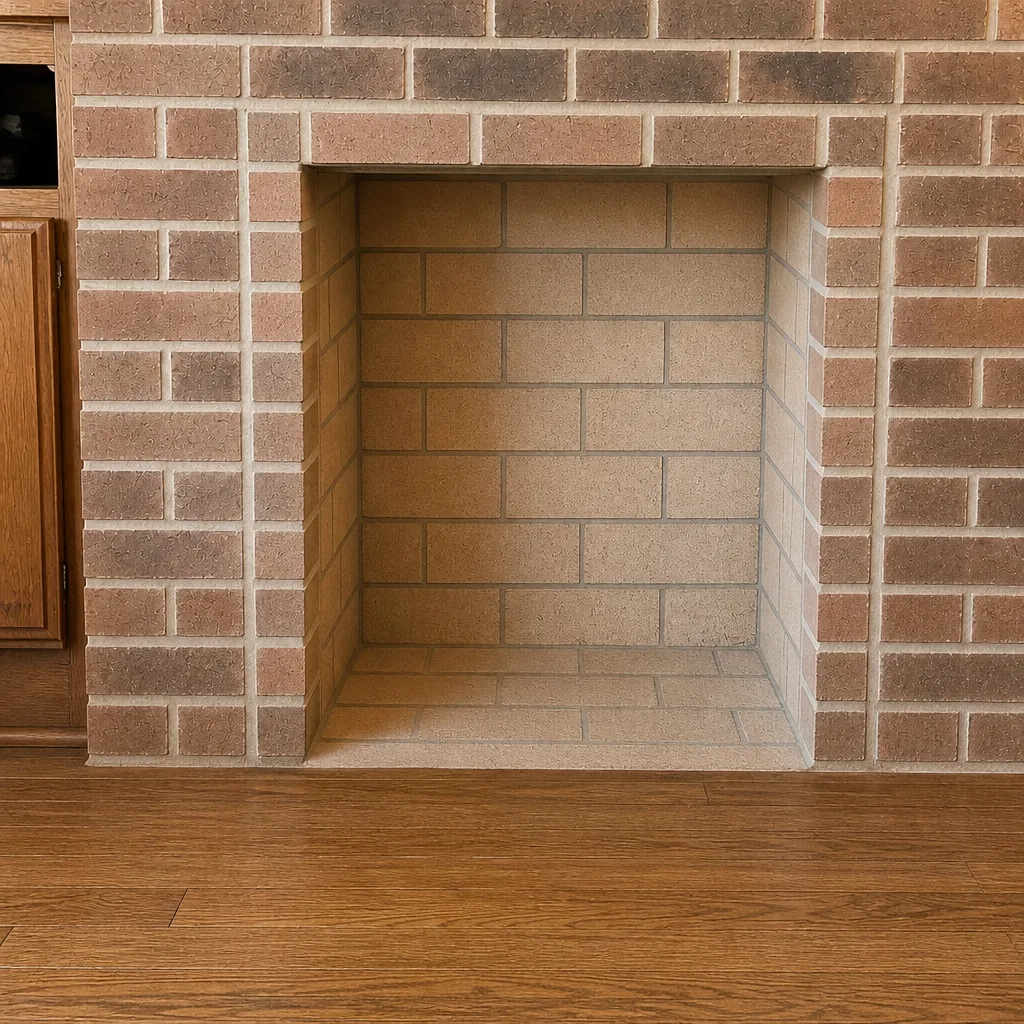
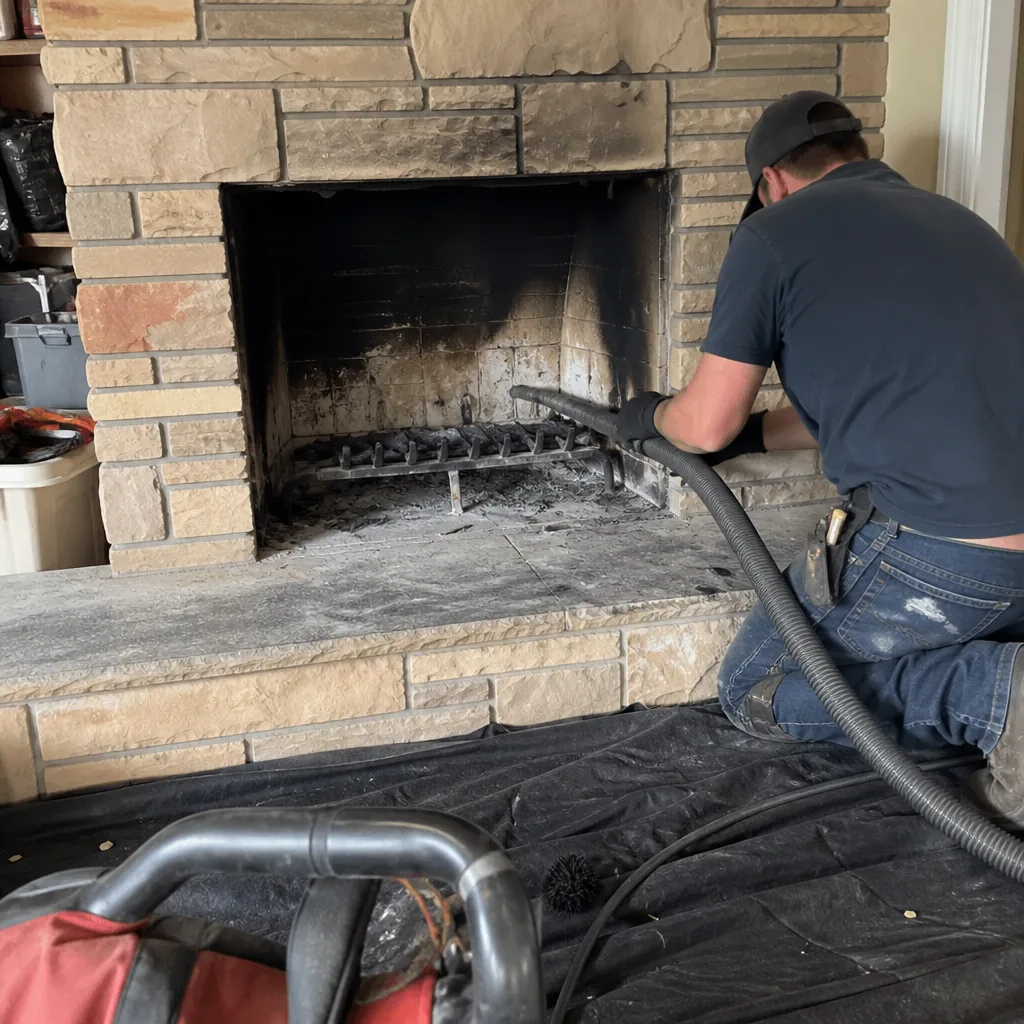
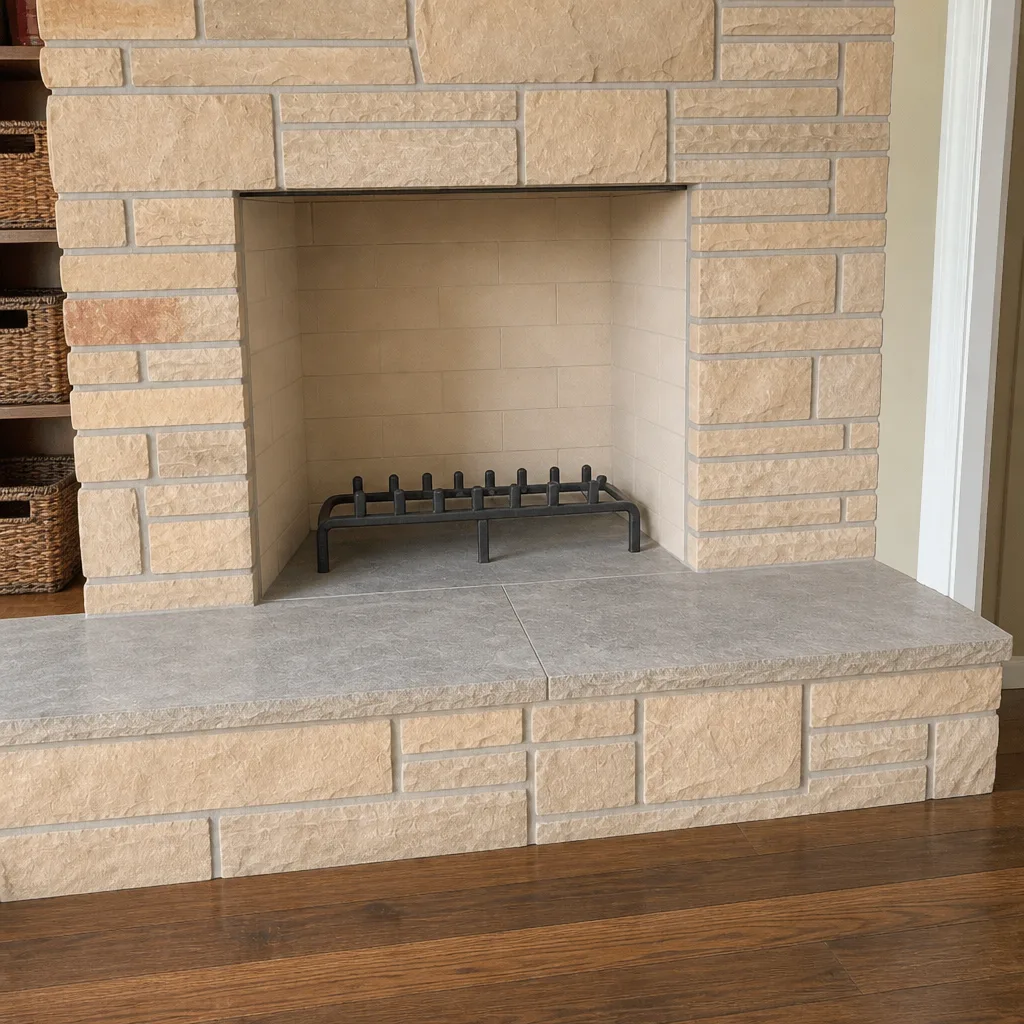
See the difference
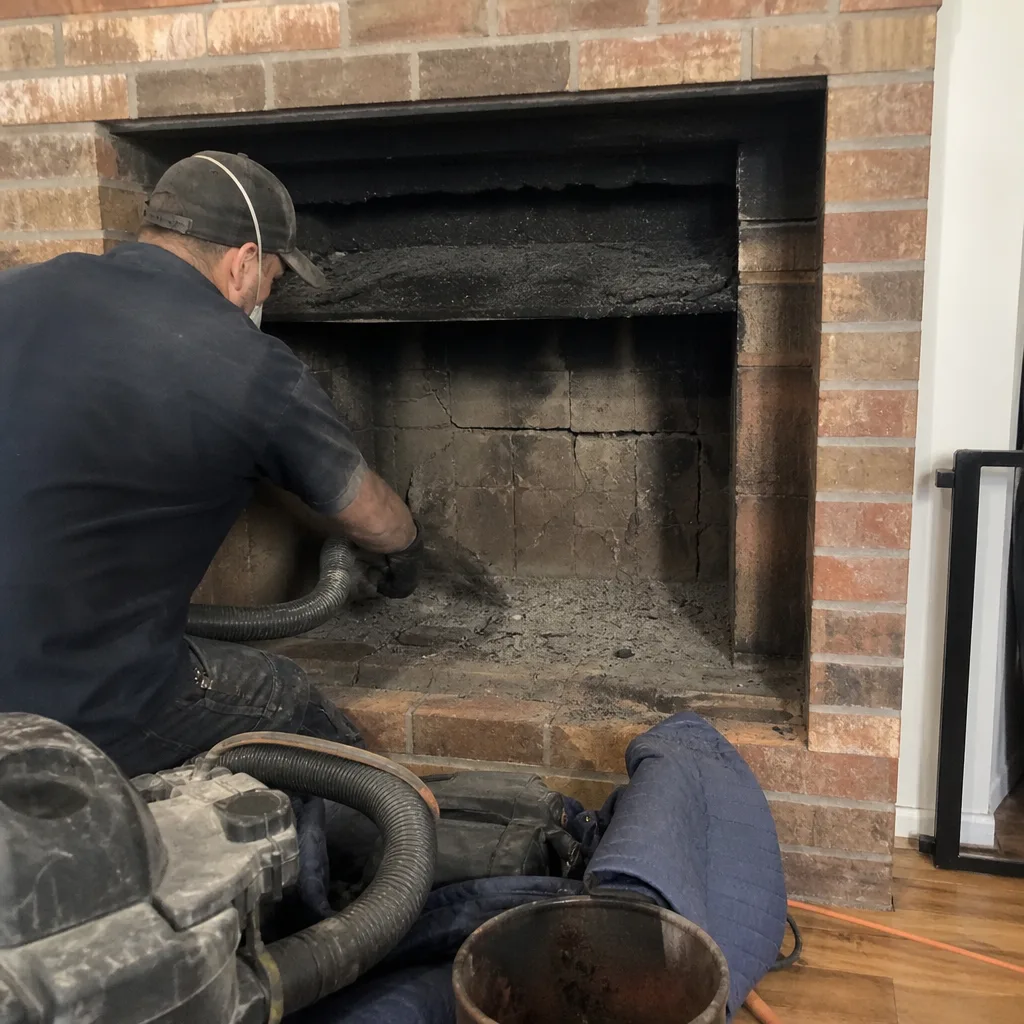 Before
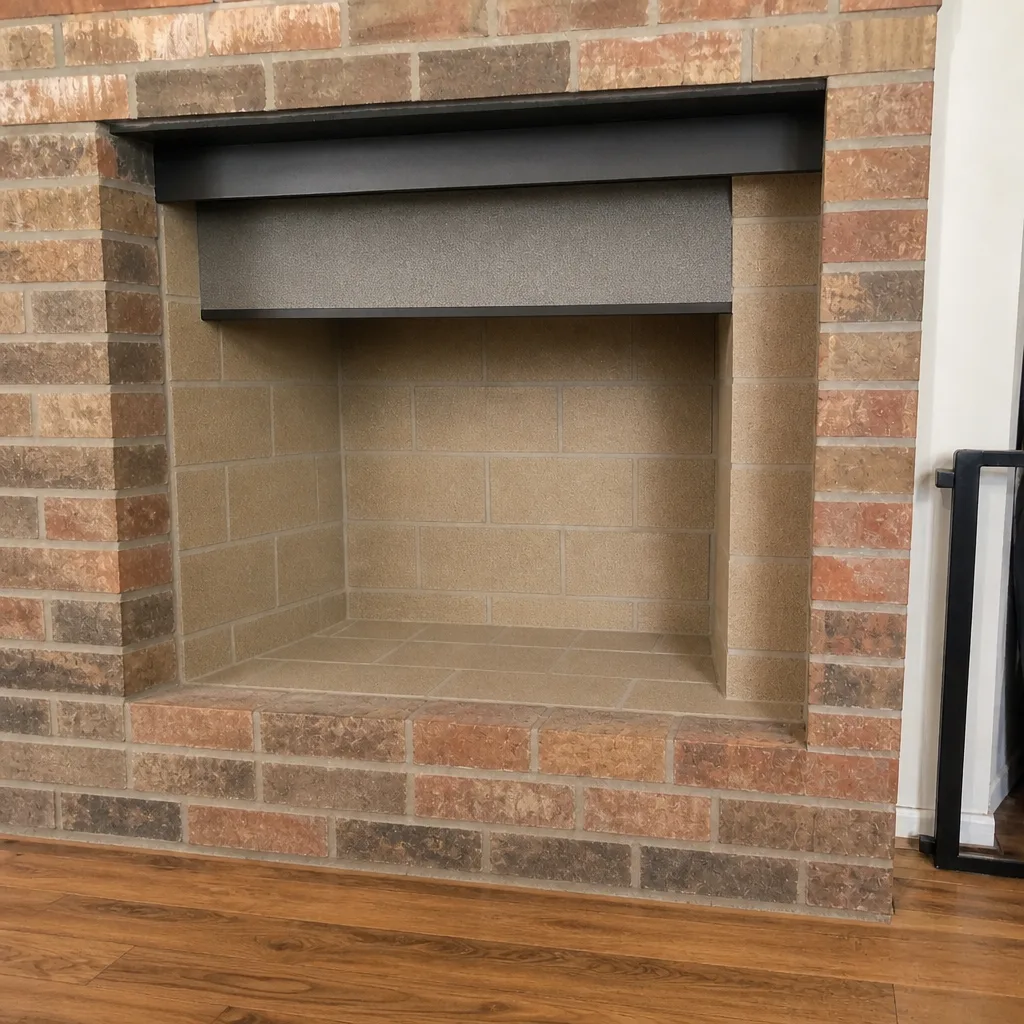 After
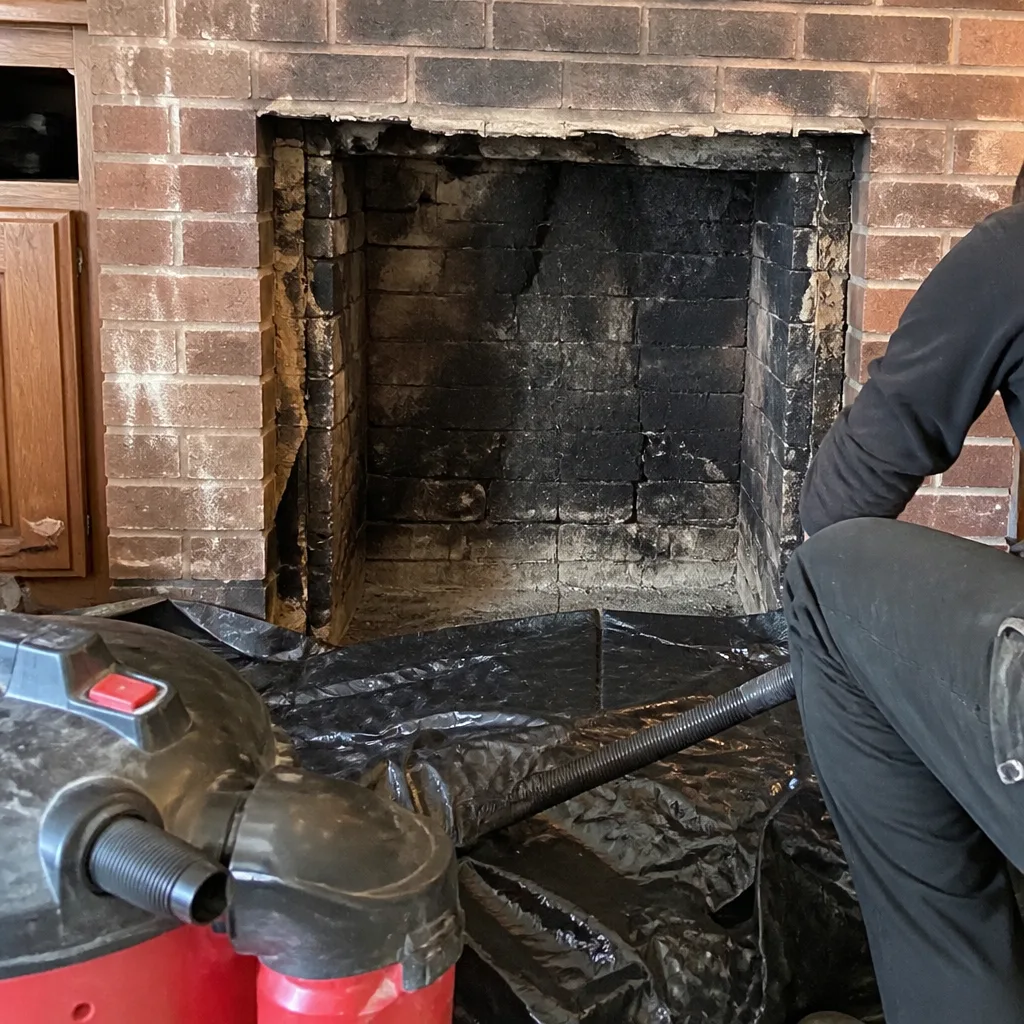 Before
 After
 Before
 After
When to Call a Professional
Call us when the chimney work crosses from “clean it” into “fix it.” That includes a flue that needs relining to meet current requirements, a cracked or spalling crown, firebox damage that needs restoration, a chimney that’s pulling away from the house, or a report you need documented for a closing. Call if you’re buying or selling in Westminster and need a Level 2 inspection with video evidence. Call if a previous contractor couldn’t tell you whether a permit was pulled, or left the job without a final inspection. And call if your annual sweep keeps surfacing the same warning year after year, because a sweep-only service will keep finding the same thing without ever resolving it. Our technicians have up to 14 years of experience, and every estimate is free. Westminster Chimney Sweep Pros covers the sweep, the repair, and the cap and crown work in one place, so the diagnosis and the fix come from the same team.
Frequently Asked Questions
No. A routine sweep and standard inspection are maintenance and generally don’t require a permit. If the visit turns up a liner, crown, or firebox repair, that work typically does require one, and it shouldn’t start until the permit question is settled with the local authority. Call (855) 658-4345 for a free estimate.
A Level 1 is a visual check of all readily accessible parts of the chimney during routine service, while a Level 2 adds the accessible attic, crawl space, and a video scan of the flue interior. Level 2 is the report used for real estate transactions and appliance changes. Call (855) 658-4345 to book one.
It can. Carriers often have policy language covering unpermitted work and undisclosed alterations, and an unpermitted liner or firebox job can create a coverage question after a fire. Read your own policy conditions or ask your agent directly. A documented, permitted repair is the version an adjuster can verify.
Sweep annually if you burn regularly, and inspect at least once a year regardless of how often the fireplace is used. A Level 2 inspection is the right call whenever a property changes hands or the system has been modified. Call (855) 658-4345 to schedule your sweep before the burning season.
Usually yes. A liner replacement alters the venting system, which generally means permitted work that must be inspected against NFPA 211 and the adopted code. A like-for-like cap swap may be a different story. Confirm with the building department before work begins. Call (855) 658-4345 for a free estimate.
An existing chimney has to be kept safe and serviceable for its condition, and new work on it has to meet the code in force. A failed liner or crown is a condition problem regardless of when the house was built. Call (855) 658-4345 and we’ll document what you have and what needs attention.
The Bottom Line
Sweeping is maintenance, and structural chimney work is permitted work. That’s the line, and it’s worth knowing before anyone touches your liner, crown, or firebox. Keep the three documents that matter: the inspection report with its video evidence, the permit number, and the final inspection sign-off. NFPA 211 is the technical baseline the building code leans on, and a Level 2 inspection is the report that holds up at closing and at claim time. If a prior repair left you without those documents, don’t panic and don’t guess. Get a Level 2 inspection, correct what needs correcting, and close the record properly. Westminster Chimney Sweep Pros handles the full system, from the annual sweep to relining and crown work, with the same materials certified pros specify. If you’re ready to settle the question, call (855) 658-4345 for a free estimate. We answer 24/7. Fast dispatch from 7am to 7pm, Sunday through Friday. And for the routine side of chimney care, our chimney sweep service is where most Westminster homeowners start, while our fireplace repair and chimney repair pages cover the fix side of the conversation. You can also start at Westminster Chimney Sweep Pros for the full picture.
Written by the team at Westminster Chimney Sweep Pros.