
Last updated November 23, 2026
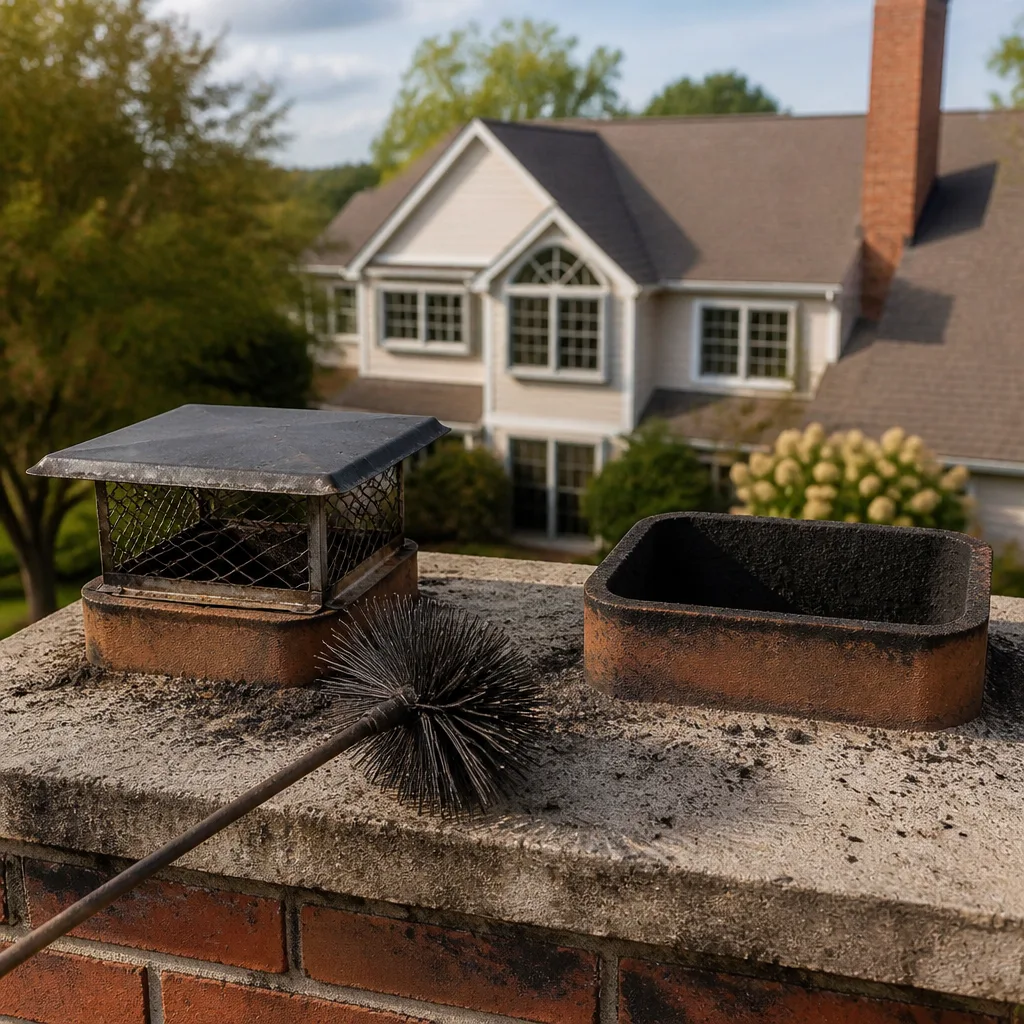 Sweep & inspection
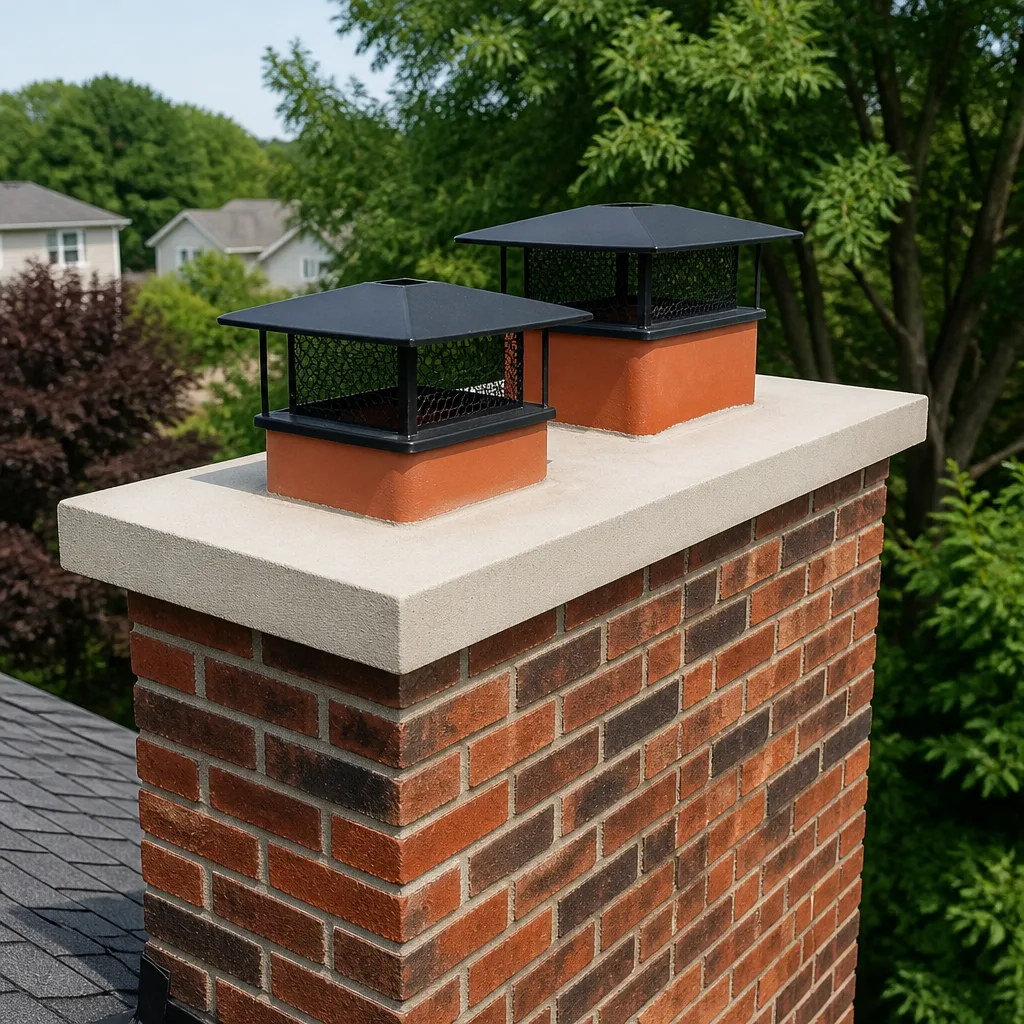 Caps & crowns
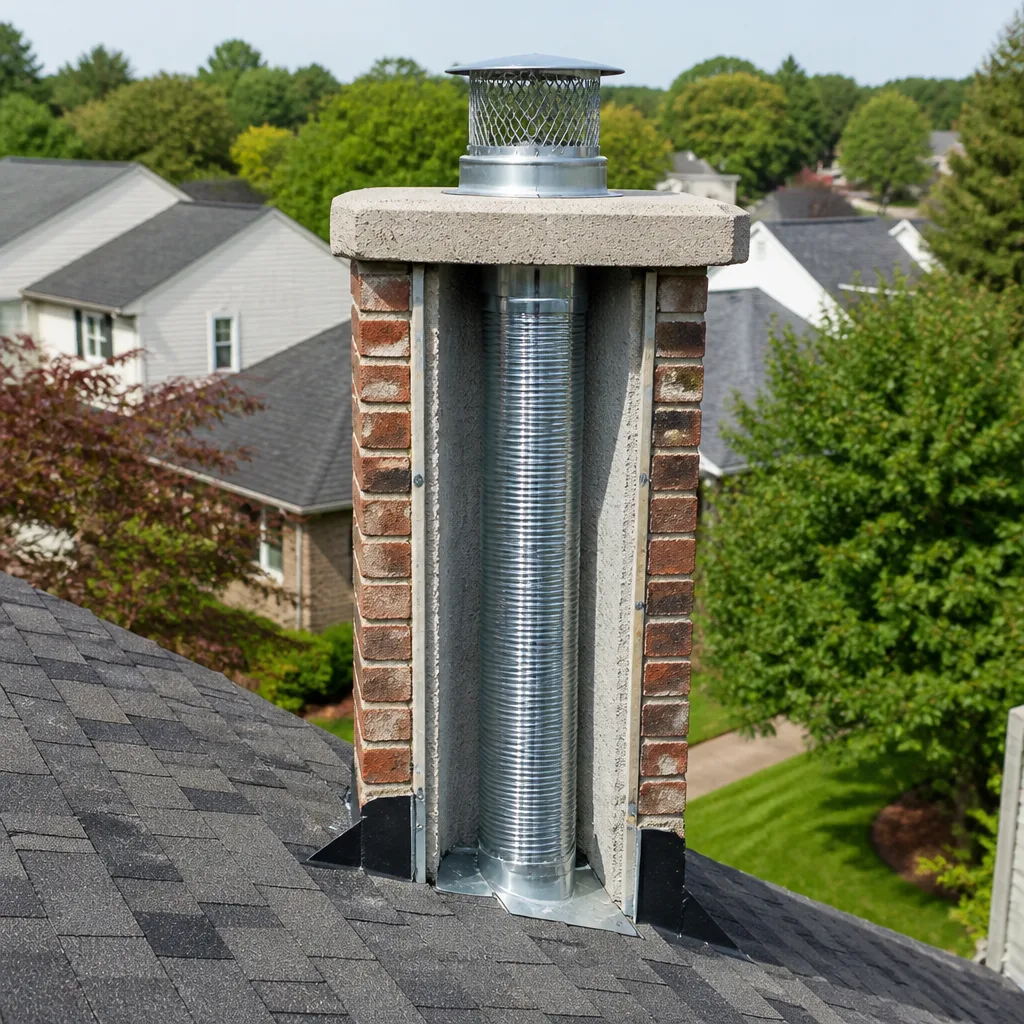 Flue relining
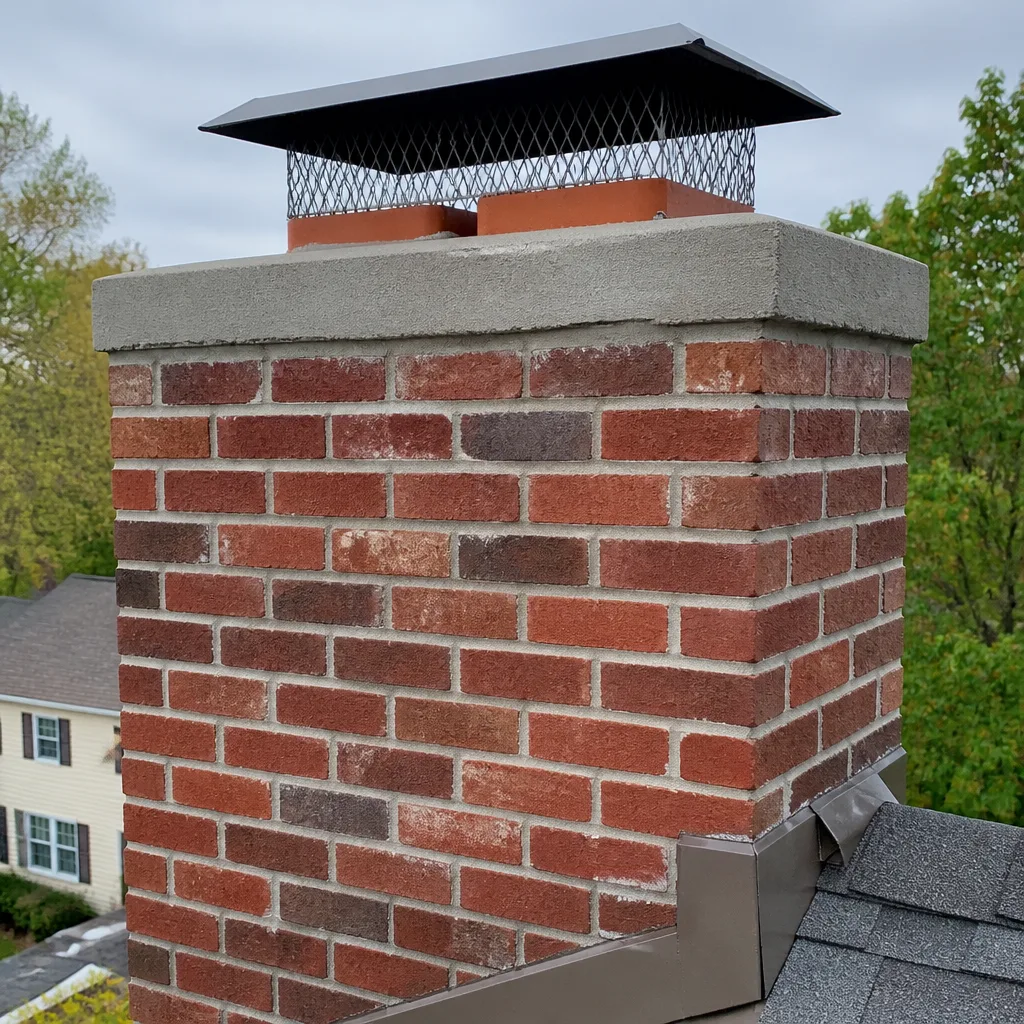 Masonry repair
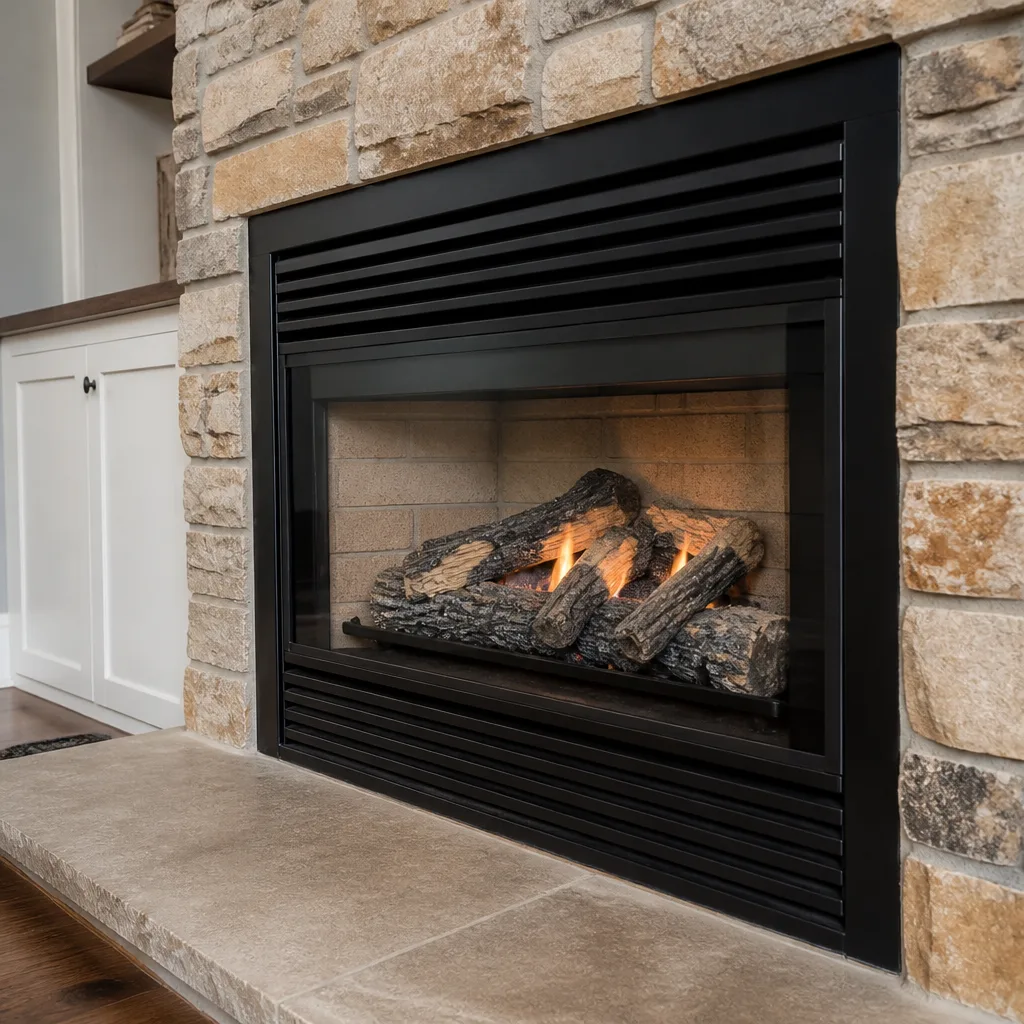 Gas fireplace service
Level 1 sweep and inspection to the NFPA 211 annual standard - flue, crown, cap, and flashing checked and photographed
Chimney sweep logs do not sweep chimneys. They loosen some creosote - which then falls where a brush and vacuum still have to collect it.
Chimney Cleaning Warning Signs: A Westminster Homeowner’s Reference Guide
White staining on your chimney’s exterior brick isn’t cosmetic. It’s efflorescence, and it’s the chimney’s way of telling you water is moving through masonry it shouldn’t be in. Most homeowners repaint over it or ignore it. Both are mistakes. The subtle signals a chimney sends before something fails are readable years in advance – from the ground, from the firebox, even from the smell of the room. Early detection is a learnable skill, and this guide teaches it. By the end you’ll know what to look for around a Westminster home, what each signal points to, and which ones mean stop using the fireplace today.
Quick Answer
The most important chimney cleaning warning signs are efflorescence (white staining), cracking or spalling on the crown, rust or dark creosote glaze inside the firebox, a musty or tar-like odor in the room, and a fire that won’t draft. Most of these mean a cleaning and inspection is overdue; a cracked flue liner or heavy creosote glaze means stop using the chimney until a professional inspects it. In our experience, the signs homeowners miss longest are the quiet exterior ones – crown cracks and white staining – because they develop slowly and don’t affect the fireplace’s day-to-day use until the damage is done.
Styles & brands we work with
- Sweep & inspection
- Caps & crowns
- Flue relining
- Masonry repair
- Gas fireplace service
Table of Contents
- Exterior Signals You Can Read from the Ground
- Odor Diagnostics: What Smell Tells You
- Draft and Airflow Anomalies Before You Light a Fire
- Interior Warning Signs Inside the Firebox and Smoke Chamber
- The Threshold Test: When to Keep Using It vs. When to Stop
- Why Westminster’s Climate Makes These Signs Show Up Differently
- Common Mistakes to Avoid
- When to Call a Professional
- Frequently Asked Questions
Exterior Signals You Can Read from the Ground
A chimney talks to you from the ground up. You don’t need a ladder, a camera, or a moisture meter for the first pass – you need about two minutes and a habit of looking. A quick walk around the house that takes in the chimney’s brickwork, crown, and cap will catch most structural warning signs before they escalate. In our experience, these quiet exterior signals are the ones that sit unnoticed the longest, because the fireplace still works.
Efflorescence: The White Stain That Isn’t Decor
Efflorescence is a powdery white deposit on brick or mortar. It appears when water moves through masonry, dissolves salts, and leaves them on the surface as the moisture evaporates. It’s not a cosmetic problem. On a chimney in Westminster, it’s a signal that water is getting into brick it shouldn’t be in, most often through a bad crown, failing mortar joints, or a gap where the flashing meets the roof. Repainting over it only hides the evidence while the moisture keeps working.
Crown Cracking and Spalling Brick
The crown is the concrete cap at the very top of the chimney, sloped to shed water. Hairline cracks are common and often harmless; wide, deep cracks that let water pool are not. Once water gets under the crown and into the flue, a freeze-thaw cycle starts breaking the masonry apart from the inside. Spalling is the visible result: the face of a brick flakes off or pops loose, leaving a crumbly surface. If you see more than one or two spalling bricks, the pattern matters more than the count – spalling low on the stack usually points to rising moisture, spalling high points to the crown.
Cap Displacement
The chimney cap sits on top like a roof for the flue, keeping rain, snow, and animals out. A cap that’s tilted, loose, or missing entirely is a warning sign you can spot from your yard. A displaced cap lets water straight into the flue, which drives both efflorescence and spalling. It also invites birds and squirrels to nest, and a blocked flue is a carbon monoxide risk the moment you light a fire. If you can’t see the cap clearly from the ground, that alone is a reason to have the roof-level condition checked during your next sweep.
Odor Diagnostics: What Smell Tells You
Your nose is a diagnostic tool, if you know how to read it. A fireplace that hasn’t been used in months may smell faintly of old ash, which is normal. But three distinct odors point to three distinct problems, and homeowners regularly confuse them. Here’s the difference.
The Musty, Damp Smell
A musty odor coming from the firebox usually means moisture. Water is getting into the chimney system, and it’s sitting in masonry, the smoke chamber, or a damaged flue liner where it doesn’t belong. This is the same root cause as efflorescence on the outside of the house, and the two often show up together. A musty smell is a slow signal, but it matters: damp masonry combined with creosote is far more corrosive to a flue than creosote alone.
The Tar or Asphalt Smell
A sharp, tar-like or asphalt smell, especially on a warm day when the fireplace isn’t lit, is often the signature of creosote glazing in the flue. Creosote is a natural byproduct of burning wood; the third stage, glazed creosote, is dense, hard, and highly flammable. When the flue warms even slightly, the smell drifts into the room. If you smell tar in July, that’s not a fireplace problem – it’s a flue problem, and it’s telling you a professional sweep is overdue.
The Acrid, Burning Smell
An acrid burning smell – something sharper than wood smoke – when the fire is running can point to a draft problem or debris burning where it shouldn’t be. Nested material, a cracked liner allowing heat to reach framing, or a smoke chamber that isn’t drafting properly can all produce a smell that doesn’t match normal wood smoke. This is a signal to stop using the fireplace and have the system inspected, not a signal to open a window and carry on.
Draft and Airflow Anomalies Before You Light a Fire
Draft problems announce themselves in the first minute of a fire, which is the worst time to discover them. You can test for a weak or reversed draft before you light anything, no tools required, using a small amount of smoke. Here’s the sequence we suggest homeowners follow before every first fire of the season.
- Open a window near the fireplace a crack. A tight house can starve a chimney of the air it needs to draft upward.
- Light a rolled-up piece of paper and hold it near the open damper. Watch which way the smoke goes. Smoke that rises straight up the flue is a good sign; smoke that drifts into the room is a warning.
- Feel for a downward draft at the firebox opening. A steady cold flow pushing into the room, especially on a windy day, often indicates a flue obstruction or a pressure imbalance in the home.
- Check the damper operates freely. A damper that’s stuck part-open or won’t fully open restricts draft and points to a maintenance item.
- Note any whistling or roaring sound when you do light a fire. Unusual sounds can indicate a partial blockage or a liner problem.
If the smoke test fails, don’t keep lighting fires to see if it works itself out. A draft problem usually means a blockage, a damaged flue, or a pressure issue that a sweep and inspection will diagnose. In Westminster’s older homes, and especially in properties near the hills where wind patterns can be uneven, a reversed draft is common enough that a quick pre-fire test is worth building into the season.
Interior Warning Signs Inside the Firebox and Smoke Chamber
Everything you can see from the ground tells you about the outside of the system. Everything inside the firebox and up through the smoke chamber tells you about the inside – and that’s where most cleaning warning signs actually live. During a routine cleaning of the fireplace, our technicians look at far more than the ash bed. These are the signals we read.
- Creosote glaze on the flue walls. Flaky or dusty creosote sweeps away easily. Glazed, shiny, hardened creosote doesn’t, and it burns hot when it ignites. Glaze is the single most important warning sign that a chimney is overdue for professional cleaning.
- Rust or corrosion on the damper or firebox metal. Metal components don’t rust in a dry chimney. Rust means water is entering the system, which folds back into the efflorescence and musty-smell story.
- Cracked or missing firebrick or mortar joints. The firebox lining inside the firebox is meant to contain heat. Cracks let heat reach the masonry behind it, which is a structural and safety concern.
- Dark staining on the smoke shelf or smoke chamber. Heavy soot buildup in the smoke chamber points to poor draft over time and often to a smoke chamber that’s not directing flow properly.
- A buildup of ash and debris that’s deeper than a normal fire produces. This can point to a flue obstruction that’s preventing ash from being carried up and out.
- Loose or crumbling mortar at the smoke chamber transition. This is where a lot of slow damage hides, and it’s one reason we recommend a camera inspection alongside a routine cleaning rather than a sweep alone.
Some of these are DIY-visible. Others aren’t, because you can’t see up the flue without equipment. That’s why a routine chimney sweep is the backbone of prevention: it’s the moment a trained eye is genuinely inside the system, and it’s where interior warning signs get caught rather than guessed at.
The Threshold Test: When to Keep Using It vs. When to Stop
Homeowners ask a version of the same question constantly: is this something I can schedule, or is this something I have to stop doing right now? Here’s the plain-language threshold we use. It’s not a substitute for a professional inspection, but it gives you a clear line for when to call and how urgently.
Signs That Allow Continued Use – Book an Inspection
- Light, powdery efflorescence with no other visible damage
- Hairline cracks in the crown that haven’t widened
- A tar or asphalt smell without a recent fire
- Ash buildup that’s consistent with normal use
- A draft that’s occasionally weak on cold, still mornings
These signs don’t require you to stop using the fireplace today, but they do mean a cleaning and inspection should be on the schedule – ideally before the next burning season, not after.
Signs That Require Immediate Shutdown – Stop Using the Chimney
- Glazed, hardened creosote visible in the flue or at the firebox opening
- Smoke that reverses into the room when a fire is going
- A strong acrid smell that doesn’t match normal wood smoke
- Visible crack or gap in the flue liner, or a chunk of liner material found in the ash
- A chimney cap that’s missing or blocking the flue
- Any sign of soot or staining on the exterior of the house near the chimney, which can indicate a flue breach
These are safety signals. A cracked liner or heavy glazed creosote can allow heat or fire to reach framing or allow carbon monoxide into the living space. Don’t test it. Have a professional evaluate the chimney before the next fire, and use a space heater in the meantime if you need supplemental heat.
Why Westminster’s Climate Makes These Signs Show Up Differently
Chimneys don’t age the same way everywhere. In Westminster, the combination of cold winters, a long burning season, and frequent freeze-thaw cycles shapes which warning signs show up first and which ones homeowners tend to miss. A few patterns worth knowing.
Freeze-thaw is the big one. Water that gets into a crown crack, a mortar joint, or spalling brick freezes overnight and expands, then thaws the next day. Repeat that over a Colorado winter and small cracks become big ones far faster than they would in a milder climate. That’s why efflorescence and hairline crown cracks are the earliest reliable signals here: they’re the first visible sign of water intrusion, and the damage accelerates fast once winter sets in.
The length of the burning season also matters. Long, consistent winter use means the flue builds creosote steadily, and homeowners who burn frequently in Westminster reach glazed creosote conditions sooner than the “sweep once a year” rule of thumb might suggest. If you burn wood as a primary heat source rather than occasionally, that’s a specific reason to have the flue checked more often than a homeowner who lights a fire a few times a season.
Then there’s the dry, windy shoulder season. Westminster homes sit in a region where spring wind can be gusty and dry, and a chimney cap that was fine in January can get displaced by a gust in April, letting spring rain straight into the flue. If you see the cap sitting off-center or missing after a windy stretch, that’s a warning sign worth acting on immediately – it’s the fastest path to interior water damage.
If you’re seeing any of these patterns and you’re not sure how far the water damage has gone, a professional chimney repair assessment will tell you whether it’s a mortar-and-crown fix or something deeper in the flue.
Common Mistakes to Avoid
Most of the damage we diagnose in Westminster homes traces back to one of these habits, not to bad luck. Avoiding them is cheaper than fixing what they cause.
- Painting over efflorescence or spalling brick. Paint seals moisture inside the masonry instead of keeping it out, and it hides the warning sign so the water damage continues invisibly. Clean masonry, repair the source of the moisture, and leave the brick breathable.
- Assuming a fireplace that works isn’t a problem. A chimney with a hairline crown crack, a modest load of creosote, or an early liner issue will still light and burn. Most of the worst problems we see developed quietly inside a chimney that “worked fine” for years.
- Skipping the pre-season draft check. The first fire of the season is the worst time to discover a reversed draft or a blocked flue. A two-minute smoke test in the fall catches it before it becomes an emergency.
- Burning green or unseasoned wood to stretch a cord. Wet wood produces more creosote per fire, which speeds up glaze formation and brings the next cleaning forward. Seasoned wood burns cleaner and generates less of the tar smell that signals glazed creosote.
- Treating a tar smell as normal “old fireplace” odor. It’s not. A tar or asphalt smell when the fireplace isn’t lit is the chimney telling you that glazed creosote has built up in the flue, and it needs a professional sweep rather than an air freshener.
- Calling a general handyman to “look at the chimney.” A chimney is a system with specific components – flue, liner, crown, cap, smoke chamber, firebox – and diagnosing it takes chimney-specific tools and training. A generalist who can’t fix what they find is how small issues become multi-contractor repairs.
- Ignoring a displaced cap because the fire still burns. A missing or tilted cap lets water and animals in. It doesn’t stop the fireplace from working right away, which is exactly why it gets ignored until the flue is soaked or blocked.
When to Call a Professional
Call when you can see any of the exterior signals from the ground – efflorescence, spalling brick, crown cracking, or a cap that looks off – and when you can smell tar, musty dampness, or something acrid in the room. Call if the first fire of the season won’t draft, if a flue obstruction is even suspected, or if it’s simply been a full burning season since the last professional cleaning. Bring us in earlier rather than later on the things you can see but not measure: a crown crack that’s been slowly widening, a liner you suspect is aging, or a smoke chamber you’ve never actually inspected. Westminster Chimney Sweep Pros offers free estimates in Westminster. Our technicians have up to 14 years of experience with the professional-grade product lines certified chimney pros use – DuraFlex, Olympia Chimney, Copperfield – and we handle everything from a routine sweep to liner and crown repair without sending you to a second contractor. Call (855) 658-4345 to book an estimate.
Frequently Asked Questions
Most Westminster homes with regular wood-burning use should be swept once a year, ideally before the burning season starts. If you burn wood as a primary heat source rather than occasionally, the interval may need to be shorter because creosote builds up faster. The clearest signal is what’s actually inside the flue: if a sweep finds glazed creosote, the chimney is overdue regardless of how many months have passed. Call (855) 658-4345 for a free estimate and a professional assessment of how often your chimney actually needs service.
White staining is efflorescence, and it means water is moving through your chimney’s masonry and depositing salts on the surface as it dries. It’s not cosmetic, and repainting over it traps the moisture inside. The fix is to find where the water is getting in – usually a cracked crown, failing mortar, or bad flashing – and repair that, then clean the brick. Call (855) 658-4345 to have a technician look at the source and get a free estimate.
No. A tar-like smell when the fireplace isn’t lit usually means glazed creosote has built up in the flue. Glazed creosote is hardened, flammable residue that a standard cleaning won’t remove easily, and it’s the most important warning sign that a professional sweep is overdue. Call (855) 658-4345 to book an inspection and a sweep before the next fire.
Not until a professional has evaluated it. A visible crack in the firebox or a crack in the flue liner can allow heat to reach framing or allow combustion gases to enter the home, both of which are safety issues. Stop using the chimney and have it inspected. Call (855) 658-4345 – a technician can tell you whether it’s a surface repair or a full liner job, and we handle both.
A displaced cap lets water, snow, and animals straight into the flue and is one of the fastest paths to interior water damage. Get it corrected as soon as you notice it, ideally before the next rain or snow. We install chimney caps and crowns in Westminster and can often correct a cap issue during a routine visit. Call (855) 658-4345 for a free estimate.
It’s strongly recommended, because a chimney can look fine from the ground and fail a closer look. Pre-sale and post-purchase inspections give buyers and sellers documented findings about the flue, crown, cap, and firebox, which is useful whether you’re negotiating a purchase or planning a first winter in a new home. We provide inspection reports suitable for both situations. Call (855) 658-4345 to schedule one.
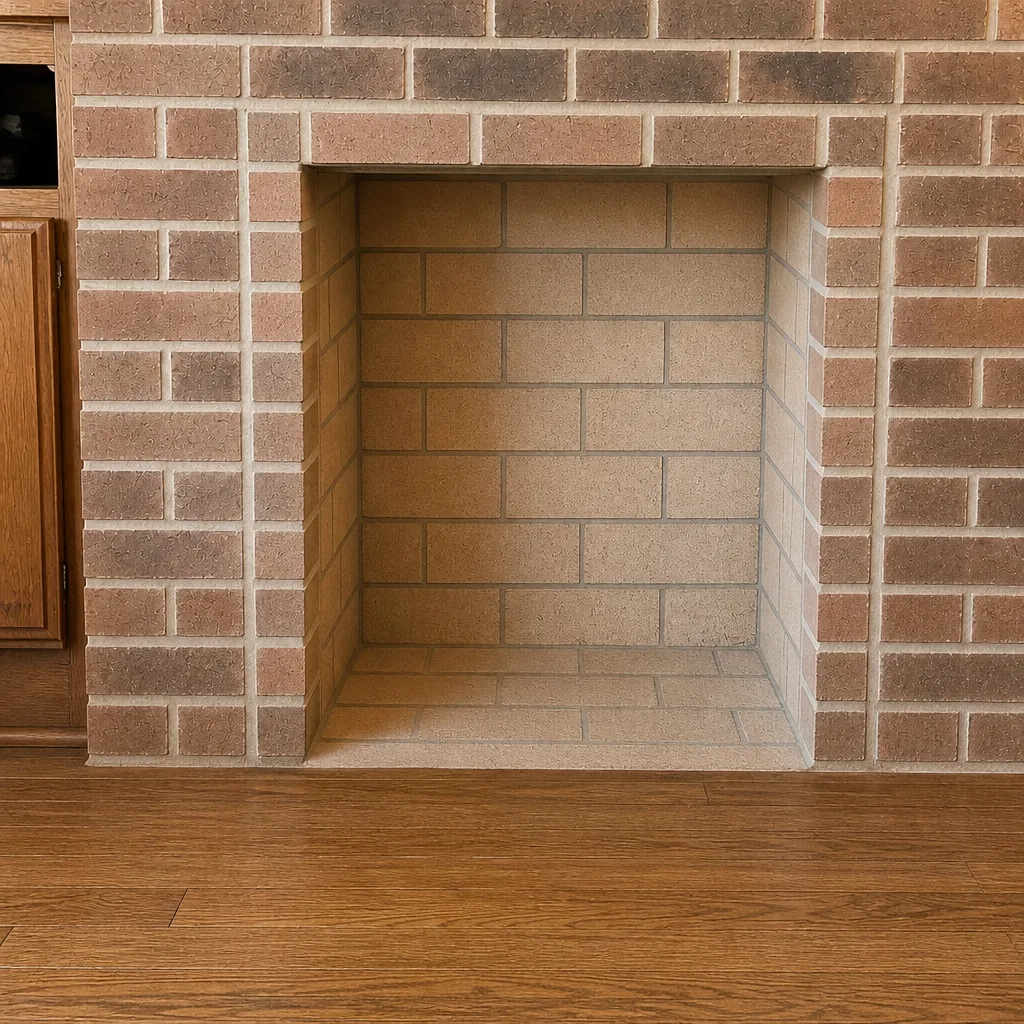
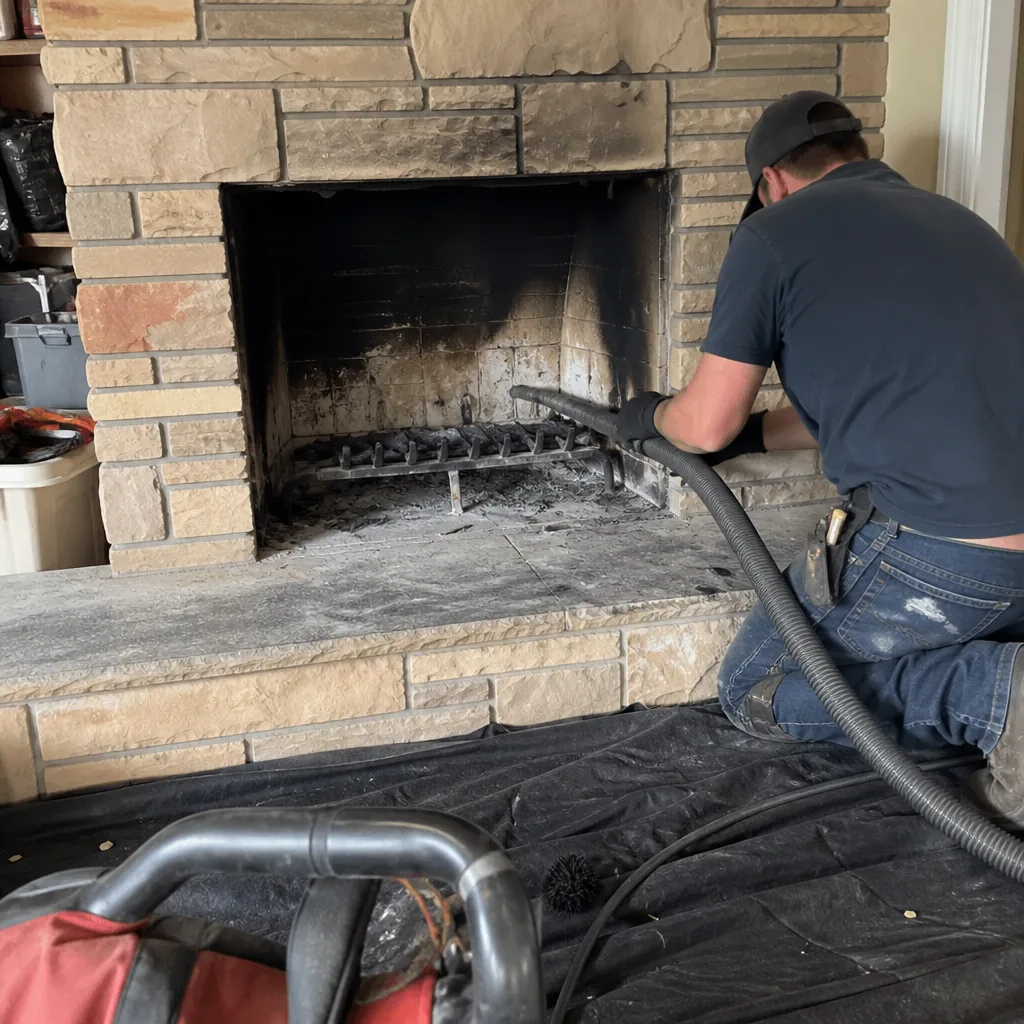
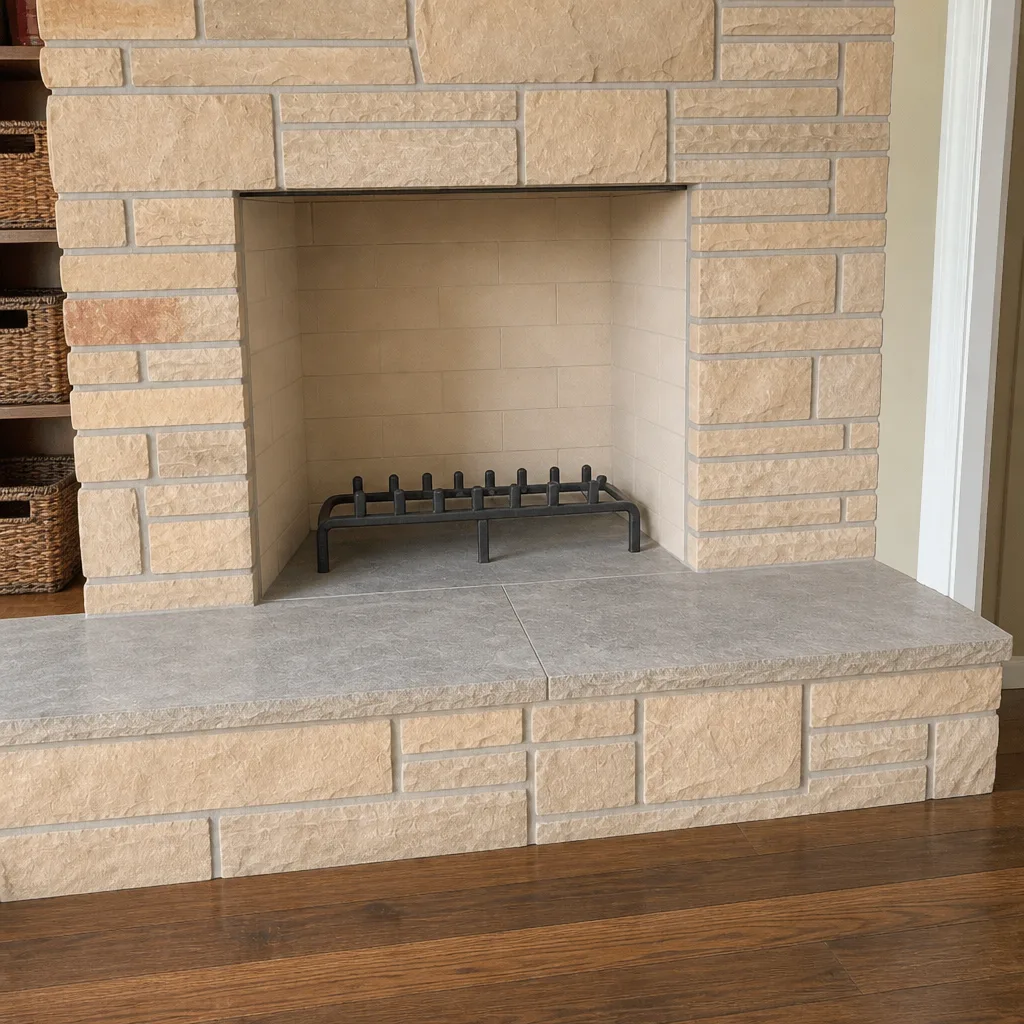
See the difference
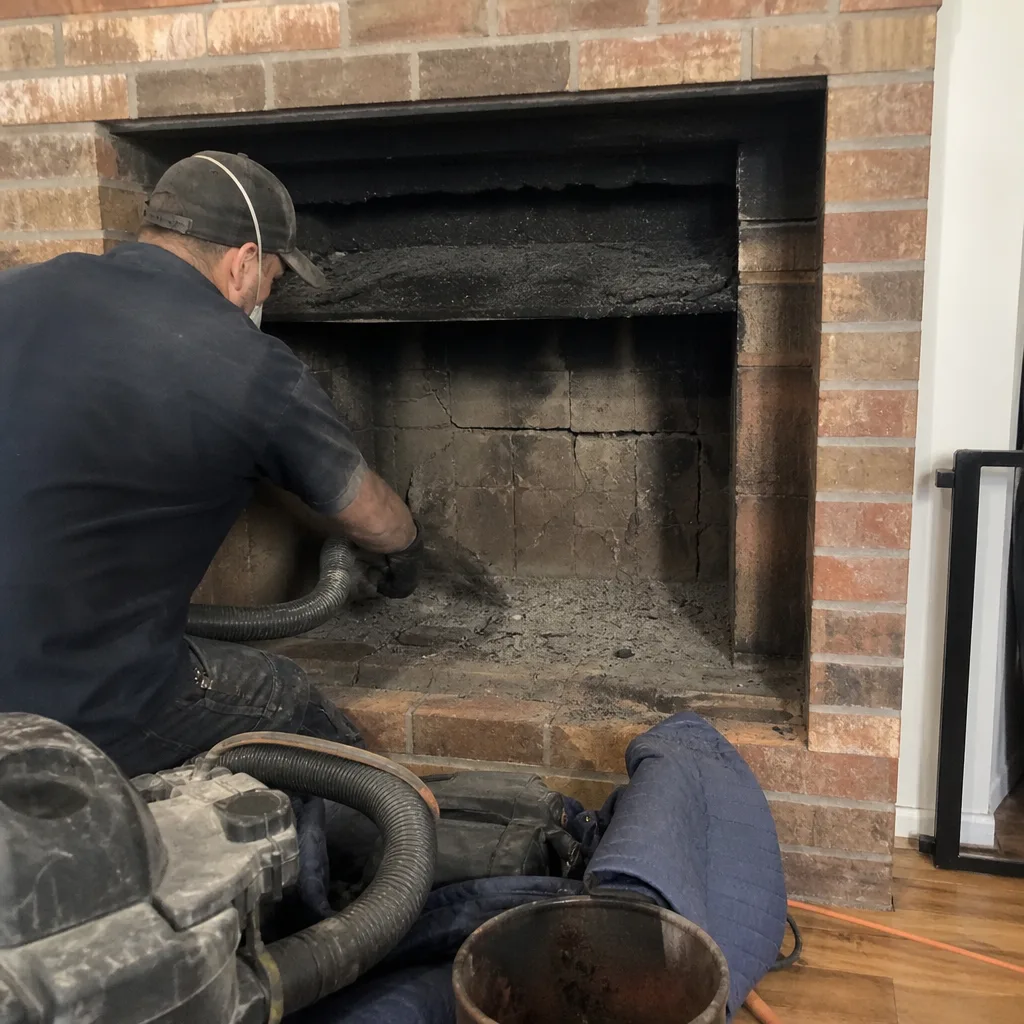 Before
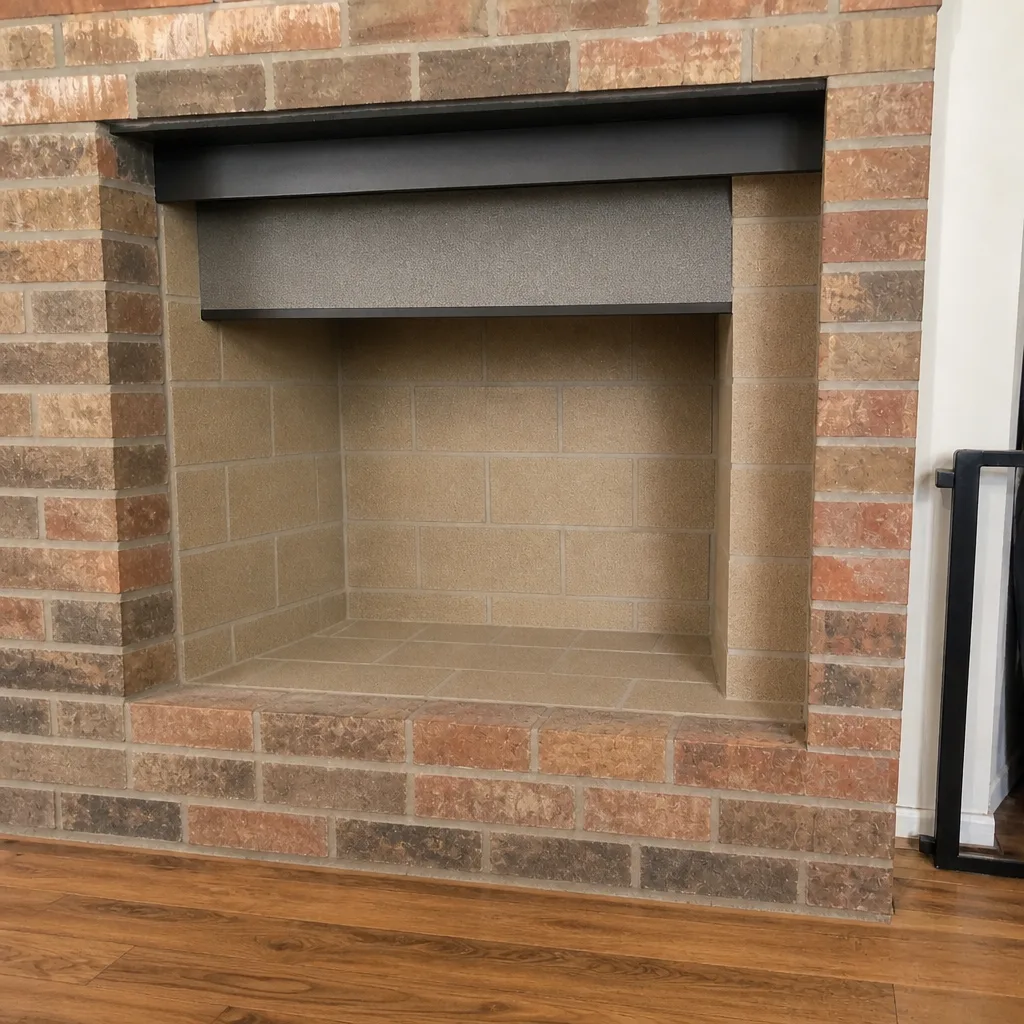 After
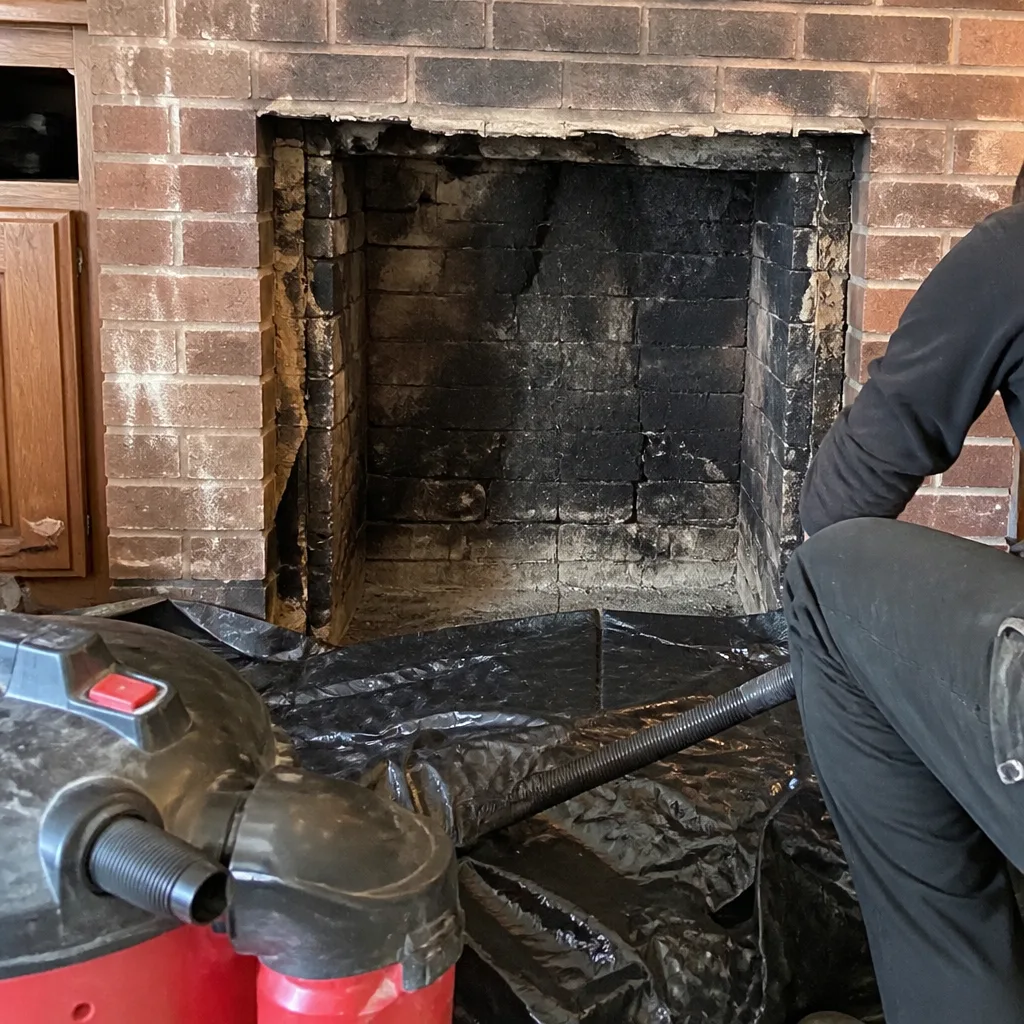 Before
 After
 Before
 After
The Bottom Line
Chimney warning signs are quiet, and that’s what makes them easy to miss. The white staining on the brick, the tar smell in the room, the draft that hesitates before it catches – these are the early signals, and they show up years before a failure. The good news is that they’re learnable and readable from the ground, from the firebox, and from a pre-fire draft test. If you see any of them, don’t diagnose it yourself and don’t wait for the next burning season. Have the system evaluated by a specialist who can clean it, inspect it, and repair it in one visit. A fireplace repair or a liner job started early is cheaper and safer than one started after a fire. Call (855) 658-4345 for a free estimate.
Contact
Your entire chimney system – cleaned, inspected, and repaired by one specialist team. If this guide raised a question about your own chimney, we’re happy to look. Westminster Chimney Sweep Pros handles chimneys in Westminster from sweeping and inspection through liner, crown, and cap work, using professional-grade materials like DuraFlex, HeatShield, Gelco, and Olympia Chimney. Chimney sweep is where we start. System integrity is where we finish. Call (855) 658-4345. We answer 24/7. Fast dispatch from 7am to 7pm, Sunday through Friday.
Written by the team at Westminster Chimney Sweep Pros.