
Last updated November 23, 2026
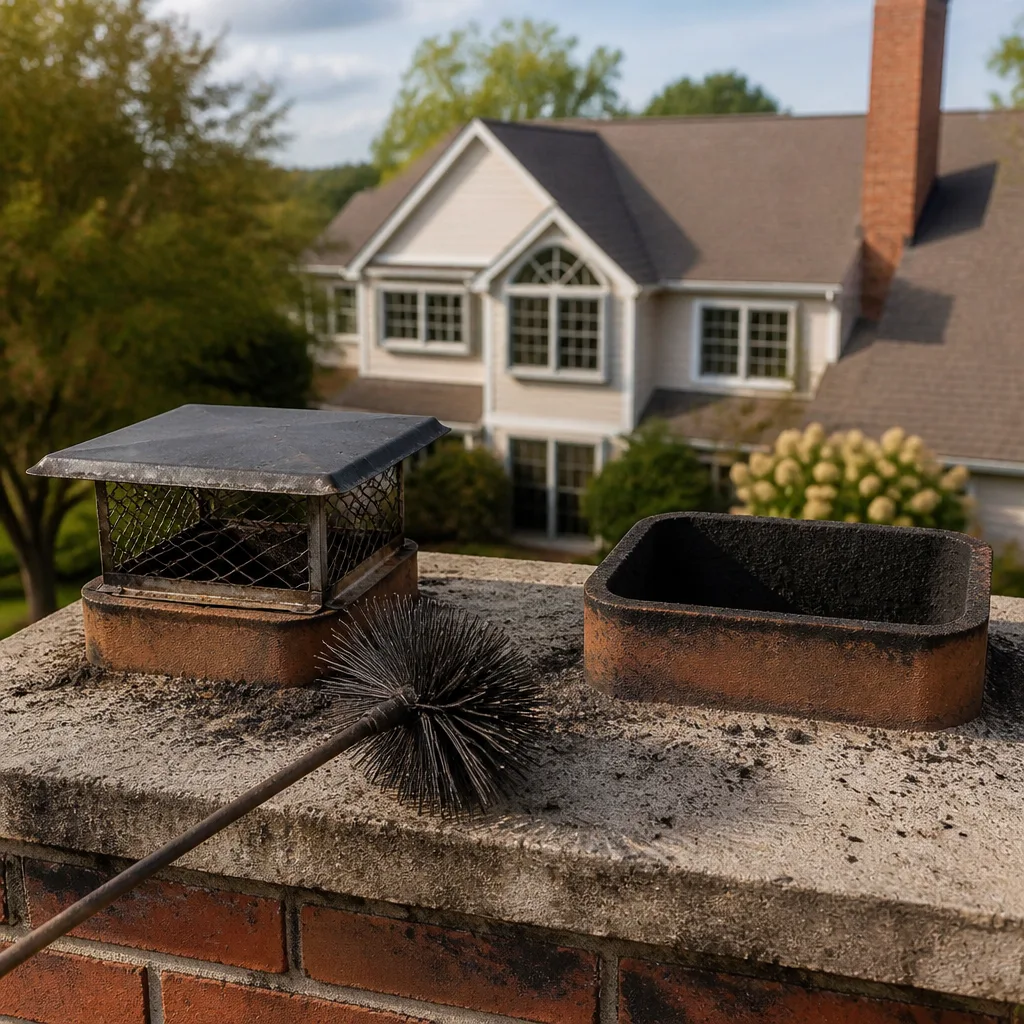 Sweep & inspection
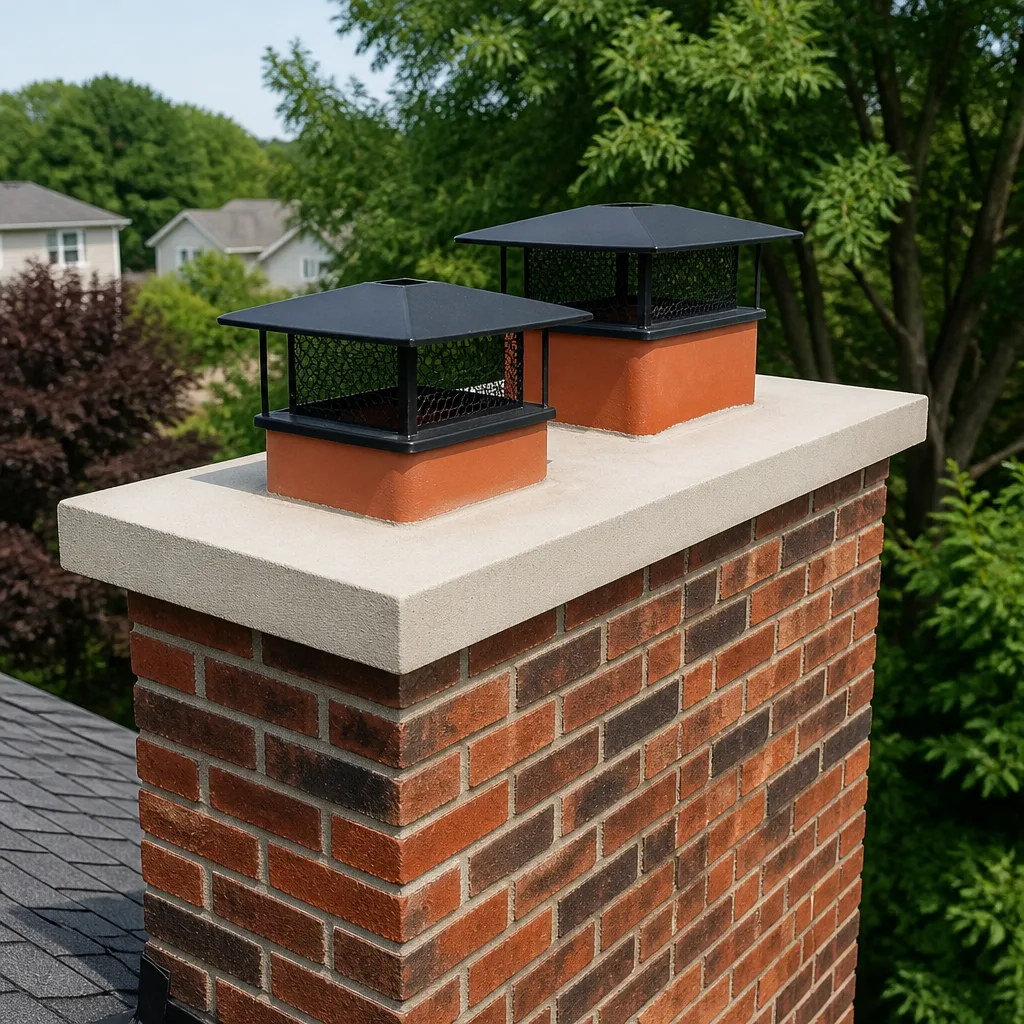 Caps & crowns
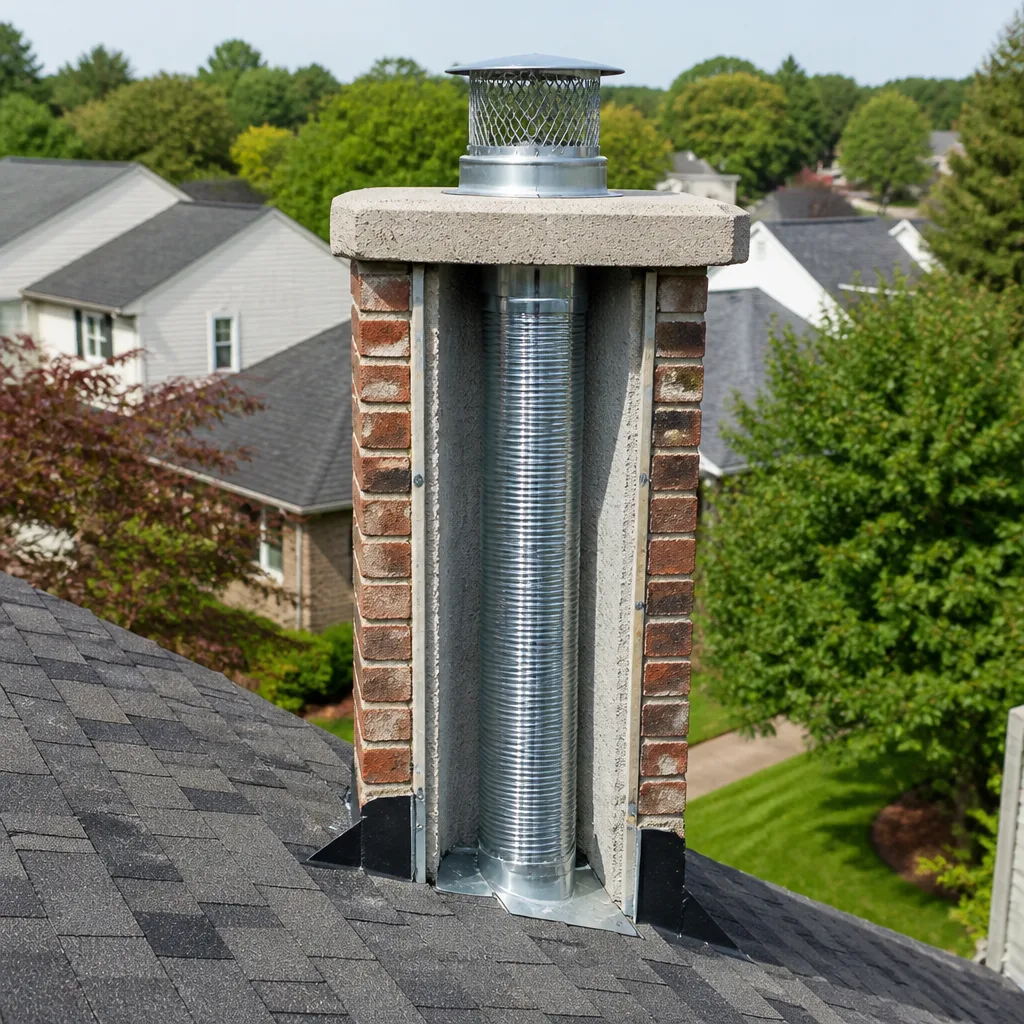 Flue relining
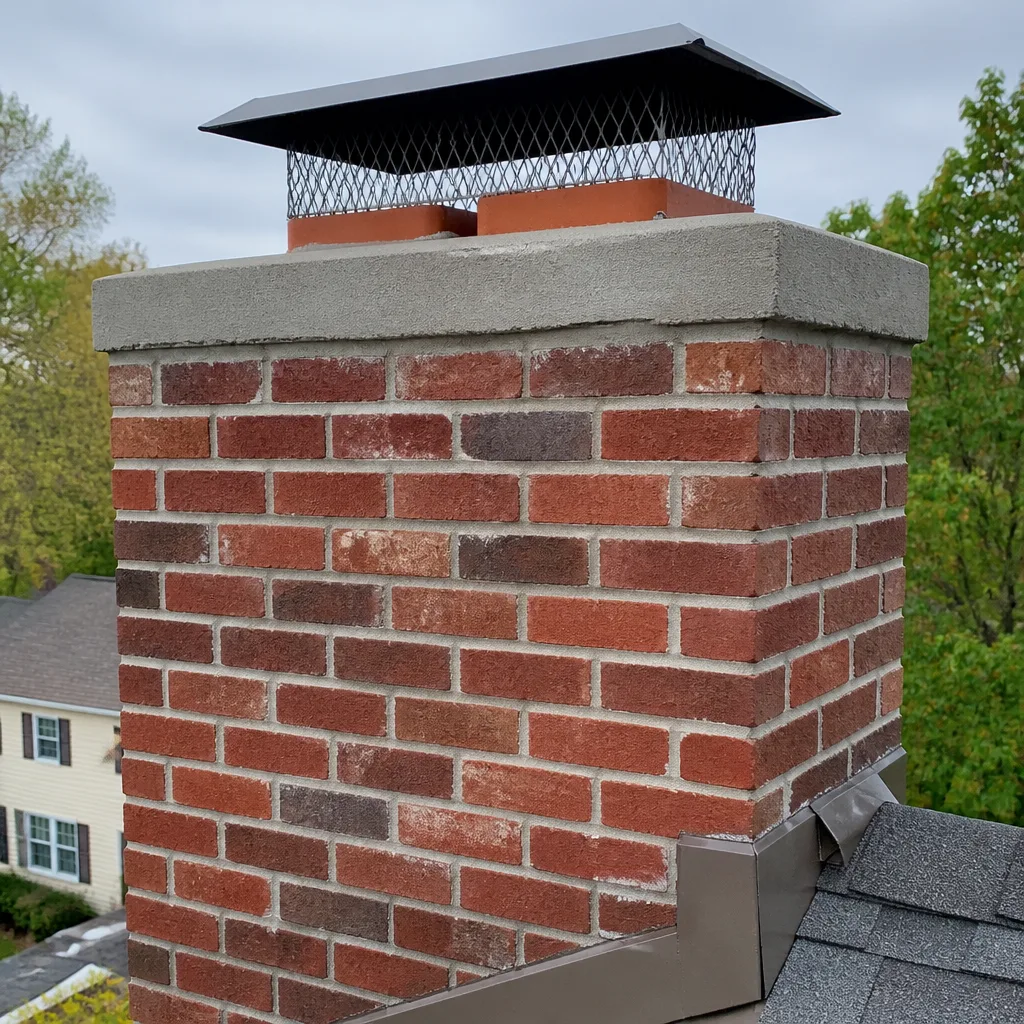 Masonry repair
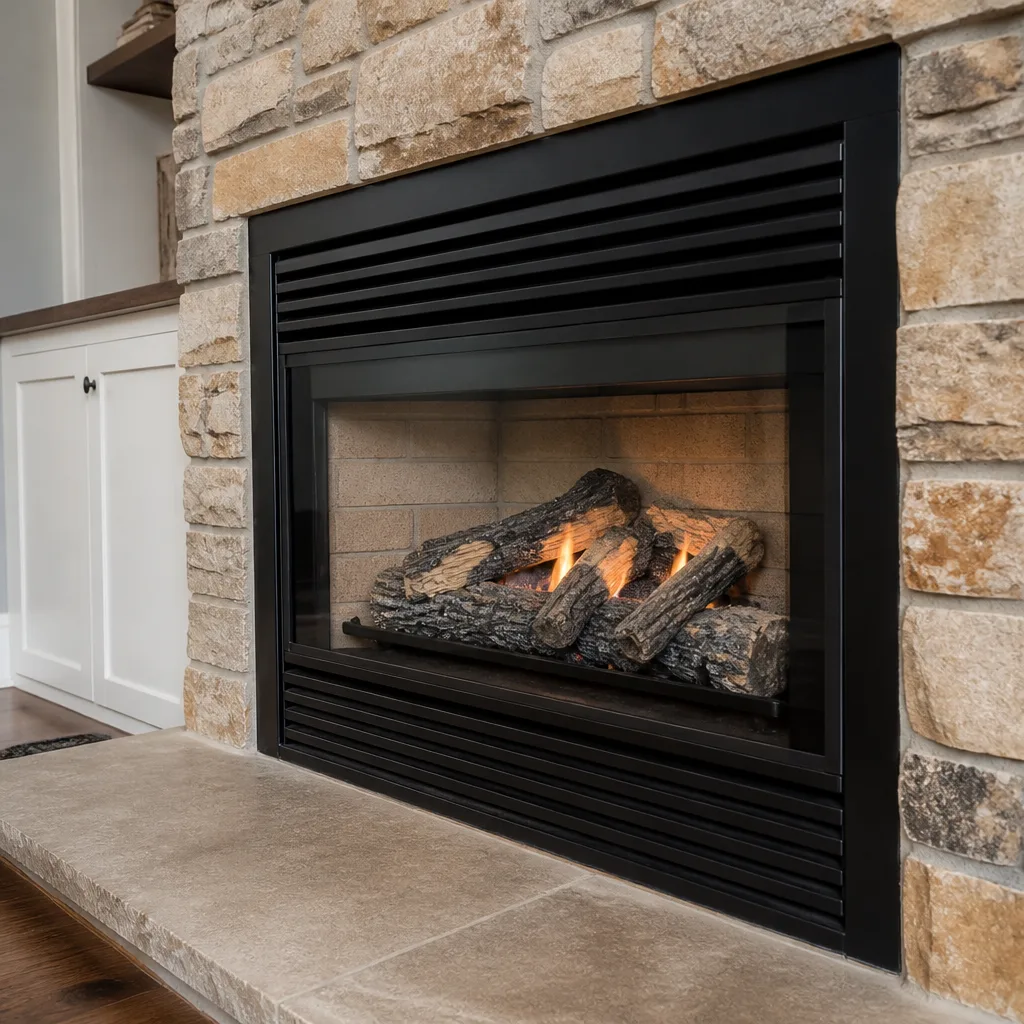 Gas fireplace service
Level 1 sweep and inspection to the NFPA 211 annual standard - flue, crown, cap, and flashing checked and photographed
Chimney sweep logs do not sweep chimneys. They loosen some creosote - which then falls where a brush and vacuum still have to collect it.
Seasonal Chimney Cleaning Care for Westminster: Year-Round Homeowner’s Guide
The chimney damage that shows up in October was almost always caused in April. That’s the part most homeowners never hear. When snowmelt saturates a cracked crown in spring and then sits in those hairline cracks through a dry Colorado summer, the failure is already underway long before anyone lights a fire. Fall is when you discover the problem, not when it starts. This guide maps each Westminster season to its real risk profile: what to watch after freeze-thaw, how monsoon moisture works on masonry, why a September sweep beats the October rush, and which mid-winter symptoms mean shut the fireplace down now. You’ll finish knowing what to check, when to book, and what can safely wait.
Quick Answer
In Westminster, your chimney needs attention in every season, not just fall: a post-winter inspection in spring, moisture and animal control through summer, a sweep and inspection in early fall before the burn season, and careful monitoring through winter. The single highest-value appointment is the spring inspection, because that’s when freeze-thaw damage is visible and still cheap to fix. A proper annual sweep plus inspection keeps creosote, water intrusion, and cracked masonry from compounding into structural repairs.
Styles & brands we work with
- Sweep & inspection
- Caps & crowns
- Flue relining
- Masonry repair
- Gas fireplace service
Table of Contents
- Why Seasonal Chimney Care Matters in Westminster
- Spring: The Highest-Value Inspection Window
- Summer: Animals, Debris, and Monsoon Moisture
- Fall: The Pre-Season Checklist
- Winter: What to Monitor and What to Shut Down
- How Skipped Checks Compound
- Common Mistakes to Avoid
- When to Call a Professional
Why Seasonal Chimney Care Matters in Westminster
Most chimney advice assumes a single climate. Westminster doesn’t give you that. You get hard freezes, rapid thaws, dry stretches, and a late-summer monsoon pattern that dumps moisture fast. A chimney on a Westminster roofline lives through all four in a single year, and each one attacks a different part of the system. Creosote builds up during the burn season. Water works on the masonry during the wet months. Freeze-thaw cycles pry open whatever cracks the water found. The result is a chimney that degrades in stages, quietly, unless someone is looking at it on a seasonal rhythm.
That’s the core idea behind seasonal care. It’s not about doing more work; it’s about doing the right check at the right time. A sweep in spring tells you something a sweep in October can’t, because in spring the freeze-thaw damage is fresh and visible. A cap inspection in late summer catches the damage monsoon storms cause before it reaches the flue. Timing isn’t a scheduling convenience. It changes what you can actually catch and fix.
At Westminster Chimney Sweep Pros, we handle the whole system, so we’re not just cleaning flues and leaving the rest. Sweeping, inspection, fireplace repair, chimney repair, and cap and crown work all fall under one roof, which matters when a seasonal check turns up something that needs fixing. You get a diagnosis and a fix from the same team, not a referral note.
Spring: The Highest-Value Inspection Window
Spring is when Westminster chimneys tell the truth. Freeze-thaw season has just finished, and the damage it leaves behind, cracked crowns, spalled brick faces, opened mortar joints, is at its most visible. An inspection in April or May finds problems while they’re still small and cheap. Wait until October and the same crack has been fed by summer rain for five months. This is the single most useful thing to understand about chimney care in Westminster.
Here’s what a spring inspection looks at:
- The crown. The concrete top of the chimney takes the most abuse from freeze-thaw. Hairline cracks that look harmless in spring widen all summer.
- Brick faces and mortar. Spalling (brick faces flaking off) and crumbling mortar are the freeze-thaw signature. They point to water getting in.
- The cap and mesh. Winter wind and ice bend caps and split mesh. A loose cap lets water and animals straight down the flue.
- The firebox and damper. Sitting unused all winter, fireboxes can crack from thermal stress; dampers stick or rust.
- The flue interior. A camera inspection shows creosote, glaze, and joint gaps you can’t see from the roof.
Why not just book the sweep now? Because spring and fall answer different questions. A spring inspection is diagnostic: it’s about finding structural damage before it grows. A fall sweep is operational: it’s about clearing creosote so the chimney’s safe to burn. Homeowners who do both end up spending less than those who wait and discover everything at once in September. If a spring inspection finds something that needs work, we can address it before it’s a bigger job, using proven restoration products like HeatShield for firebox and flue repair rather than patching and hoping.
What a Spring Inspection Should Cover
- Exterior crown, cap, and flashing check from the roof.
- Brick and mortar assessment for freeze-thaw damage.
- Interior flue inspection with a camera where needed.
- Firebox and damper check for cracks, rust, and sticking.
- A clear written or photo report of what you found and what, if anything, needs fixing.
Summer: Animals, Debris, and Monsoon Moisture
Summer looks like the quiet season for a chimney, and that’s exactly the trap. A chimney sits unused for months, wide open at the top, and nature treats it as available real estate. During Westminster’s late-summer monsoon pattern, moisture arrives fast and heavy. A compromised crown or a missing cap turns that rain into a direct feed into the masonry and flue. By the time fall arrives, the damage is done and the sweep is the first person to see it.
The summer risks to watch:
- Animals and nests. Birds, squirrels, and other animals nest in chimney flues and on caps. Nests block the flue and create a fire hazard once you start burning again.
- Debris. Leaves, twigs, and windblown material collect on the smoke shelf and in the flue.
- Monsoon moisture. A cracked crown, failed flashing, or missing cap lets rainwater in. Masonry soaks it up, and the next freeze breaks it apart.
- Cap and chase damage. Summer storms bend or dislodge caps and crack chimney chase covers.
A summer check is really a moisture-management check. The goal is simple: keep water out and animals out before the burn season comes back. That usually means verifying the cap is intact and animal-proof, confirming the crown is shedding water and not absorbing it, and making sure flashing where the chimney meets the roof is still sealed. If we find a crown that’s beyond sealing, we replace it with a correctly formed, sloped crown; it’s a small job in summer and a much bigger one once the damage reaches the flue.
Fall: The Pre-Season Checklist
Fall is when everyone thinks about their chimney, which is why the October rush exists. The problem with that rush is timing. A September sweep and inspection leaves you four to six weeks of margin before the first real cold snap, time to fix anything found and test it. Book in late September or early October and you get the same quality of work without the scramble, without the wait for an opening, and with repair work finished before the first fire. Booking after the frost hits often means waiting for the sweep and, if a repair turns up, waiting again for the fix.
Here’s the pre-season checklist we recommend for a Westminster home before the burn season starts:
- Book the sweep. Creosote from last season needs to come out before you add more. A professional chimney sweep clears the flue, smoke shelf, and firebox.
- Get the inspection. A Level 1 inspection confirms the chimney is structurally sound and clear. If you’ve had a change (new appliance, a chimney fire, a liner replacement), you may need a more thorough level.
- Check the damper. Confirm it opens, closes, and seals fully. A damper that won’t seal wastes heat all winter.
- Confirm the cap and mesh. The cap should be secure and the mesh intact. This is your first line against water and animals.
- Look at the firebox. Cracks, loose brick, and missing mortar are common and worth fixing before the season.
- Test the smoke draw. Open a window, light a small test fire, and confirm smoke goes up and not into the room.
- Stock and season your wood. Dry, seasoned wood burns cleaner and produces less creosote than green wood.
If the inspection turns up liner damage, that’s a chimney repair job, not a cleaning one. We install DuraFlex liner systems to bring a chimney back into compliance and safe venting, and it’s the kind of fix that should happen in the fall margin rather than mid-winter.
Winter: What to Monitor and What to Shut Down
Winter is the season you can’t fully control, so it’s the season to know the warning signs. Some issues are safe to monitor and mention at your next appointment. Others mean the fireplace comes offline immediately. Knowing the difference is a safety issue, and the safe default when you’re unsure is to stop burning and have the chimney looked at.
Monitor and note:
- Minor soot buildup or a slightly smoky smell when the fire first lights.
- A damper that sticks a bit but still seals.
- Ash buildup in the firebox that needs emptying.
- Occasional smoke spill when first starting a cold chimney.
Shut down and call:
- Any sign of a chimney fire: a loud roaring or popping sound, dense smoke, a sudden strong smell of creosote, or glowing at the top of the flue.
- Smoke backing into the room on a regular basis, not just at startup.
- Visible cracks in the firebox, or a cracked flue liner.
- Excessive creosote, especially glazed creosote, which is highly flammable.
- Carbon monoxide detector going off or any CO symptoms in the home. Leave the house and call for help.
Chimney fires and carbon monoxide are the two real dangers of an unmaintained chimney, and neither is something to monitor hopefully. A trained professional should make the call on a suspected chimney fire or liner breach. Don’t wait for spring if something on that second list shows up. Call (855) 658-4345; we answer 24/7, and a call outside dispatch hours gets booked into the next opening, Sunday through Friday, 7am to 7pm.
How Skipped Checks Compound
The reason seasonal care pays off is compounding. A skipped check never stays a single skipped check; it becomes a bigger and more expensive problem the following year. Here’s how it usually plays out:
- Year one: a hairline crown crack. Missed in spring because no one looked. A $200-ish inspection would have caught it and a sealant or small crown repair would have fixed it.
- Year two: water intrusion. The crack feeds rain into the crown and brick. Mortar joints soften. The damage is now a crown replacement, not a repair.
- Year three: freeze-thaw spalling. Water inside the brick freezes and breaks brick faces off. The chimney is now losing structural material and the repair runs into the hundreds or thousands.
- Year four: flue damage. Water has reached the liner. Cracks or gaps mean the chimney may no longer vent safely, and it’s now a relining job, not a cleaning.
Each stage costs more than the last, and each one was preventable at the stage before it. The pattern is not unusual, and it’s why the spring inspection matters more than the fall sweep as a cost-control measure. Fall is when you discover the problem. Spring is when you can prevent it.
Common Mistakes to Avoid
- Treating chimney care as a once-a-year fall event. If you only think about the chimney in October, you’re seeing problems months after they started. The spring inspection is where you save money in Westminster.
- Skipping the inspection and just getting a sweep. A sweep clears the flue; it doesn’t tell you the crown is cracked or the liner is failing. An inspection is the diagnostic half of the service.
- Ignoring the crown and cap because you can’t see them. The crown and cap are the parts that fail first from freeze-thaw and monsoon moisture. Out of sight is exactly why they get neglected.
- Burning wet or green wood to save a little on fuel cost. Unseasoned wood burns inefficiently and builds creosote faster, which means more frequent sweeping and greater fire risk.
- Waiting for the first cold snap to book a fall sweep. The October rush pushes you into longer waits and leaves no margin if a repair turns up. Book in September.
- Assuming animals won’t nest in a working chimney. An open flue is an open door through summer. Nests block the flue and are a fire hazard when the burn season returns.
- Delaying a repair the inspection found. A small masonry issue is cheap; the same issue after another freeze-thaw cycle is structural. Fix it in the shoulder season, not after it compounds.
When to Call a Professional
Some chimney care is seasonal scheduling. Some is urgent. Call a professional right away if you suspect a chimney fire, smell strong creosote, see smoke backing into the room, notice cracks in the firebox or visible flue liner, or any carbon monoxide alarm goes off. These are safety events, not maintenance items, and they need a trained eye. On the maintenance side, call when the burn season approaches and it’s been a season or more since your last sweep; call before buying or selling a Westminster home, when you want a documented inspection; call after wind or storm damage to the cap or roof; and call in spring if you want to catch freeze-thaw damage early.
Chimney work involves heights, high temperatures, and the risk of carbon monoxide, so trust it to a professional rather than trying to climb the roof or clean the flue yourself. Westminster Chimney Sweep Pros offers free estimates in Westminster; call (855) 658-4345 for an exact quote.
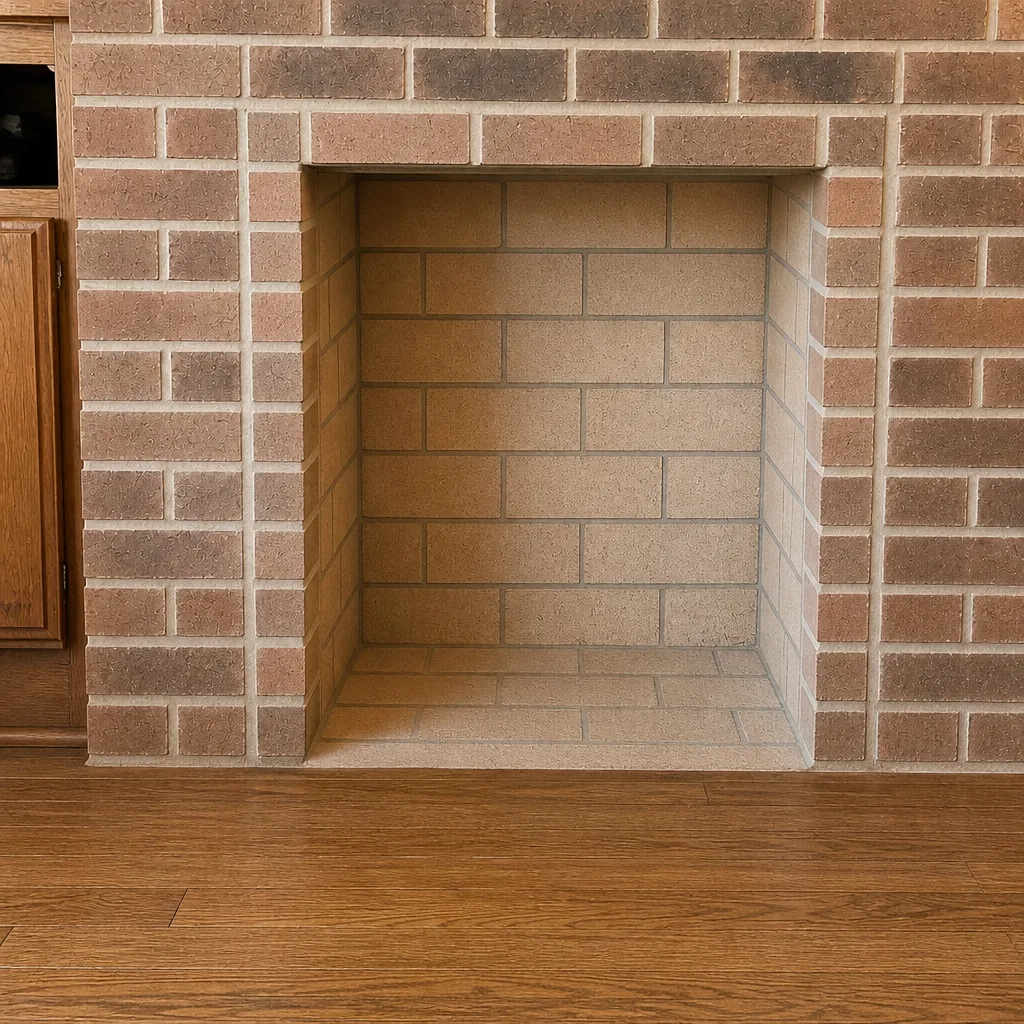
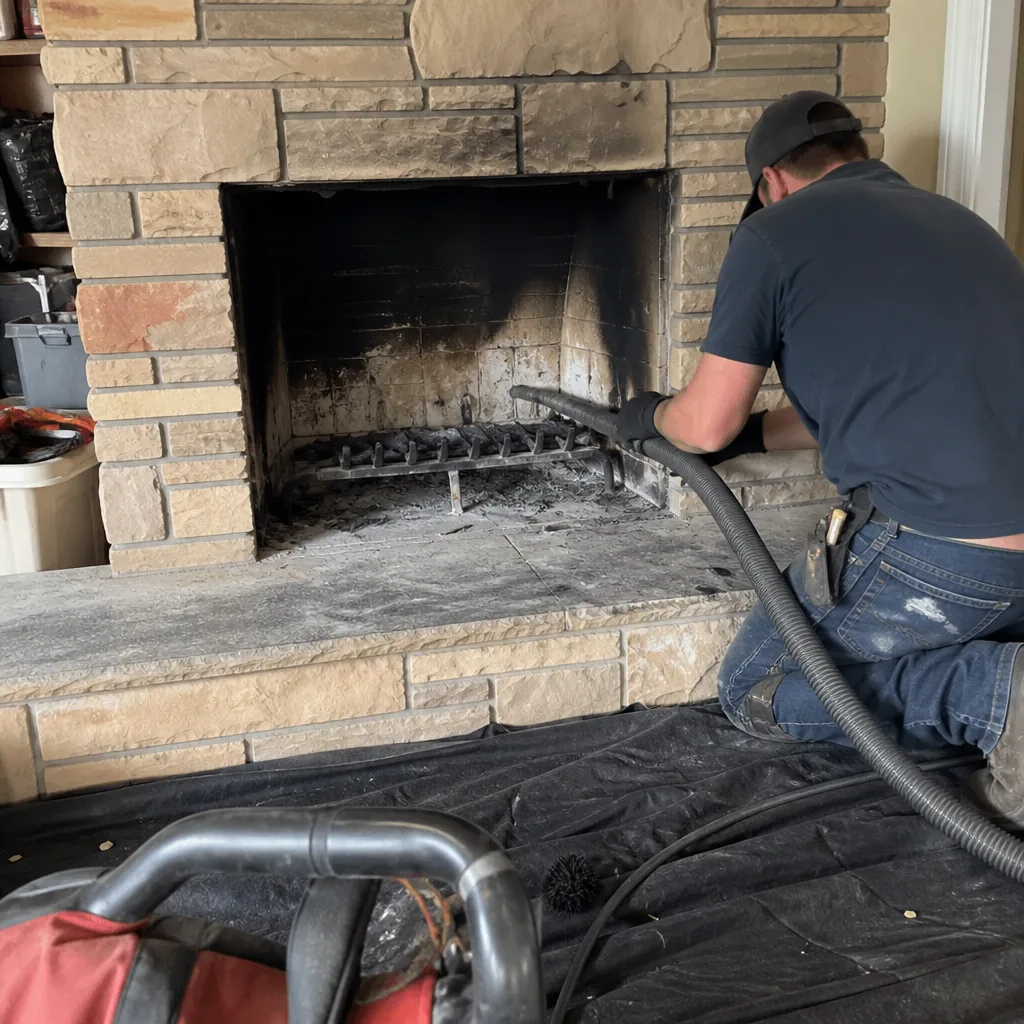
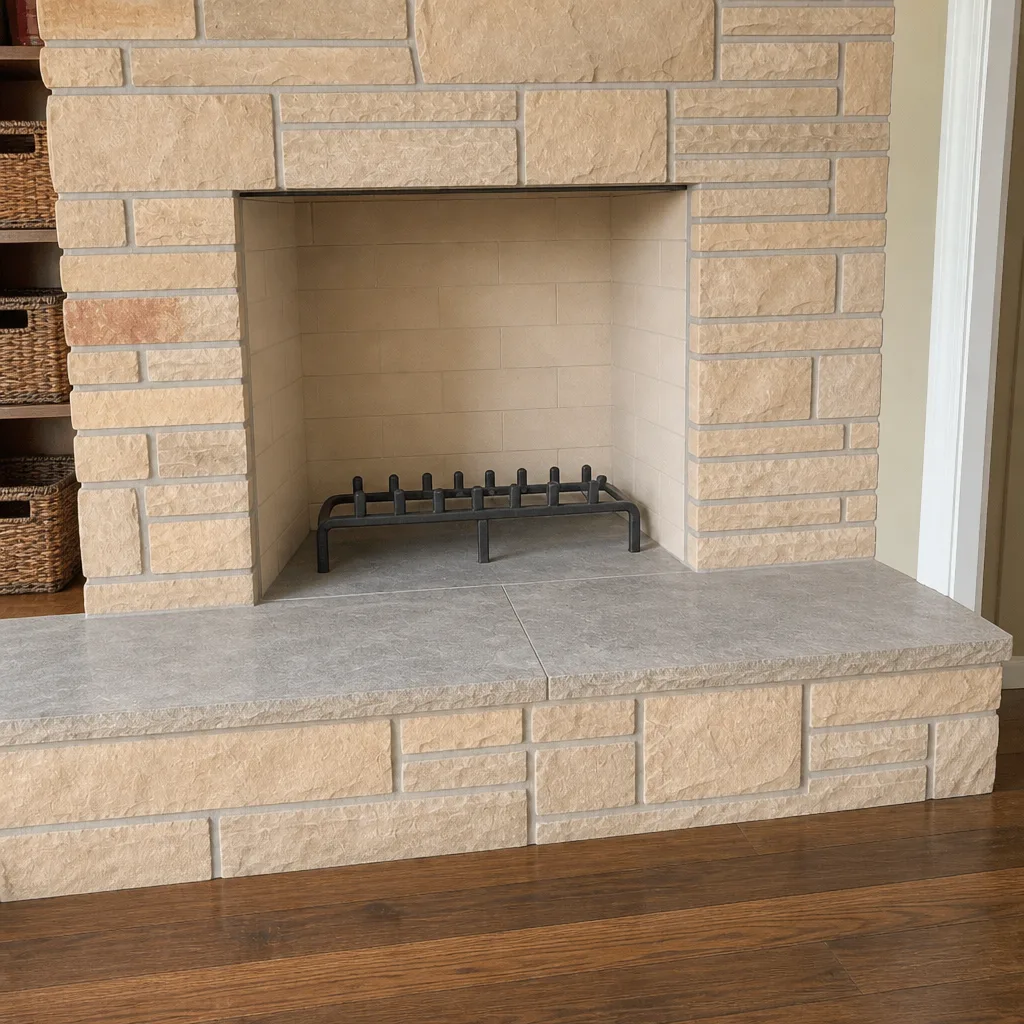
See the difference
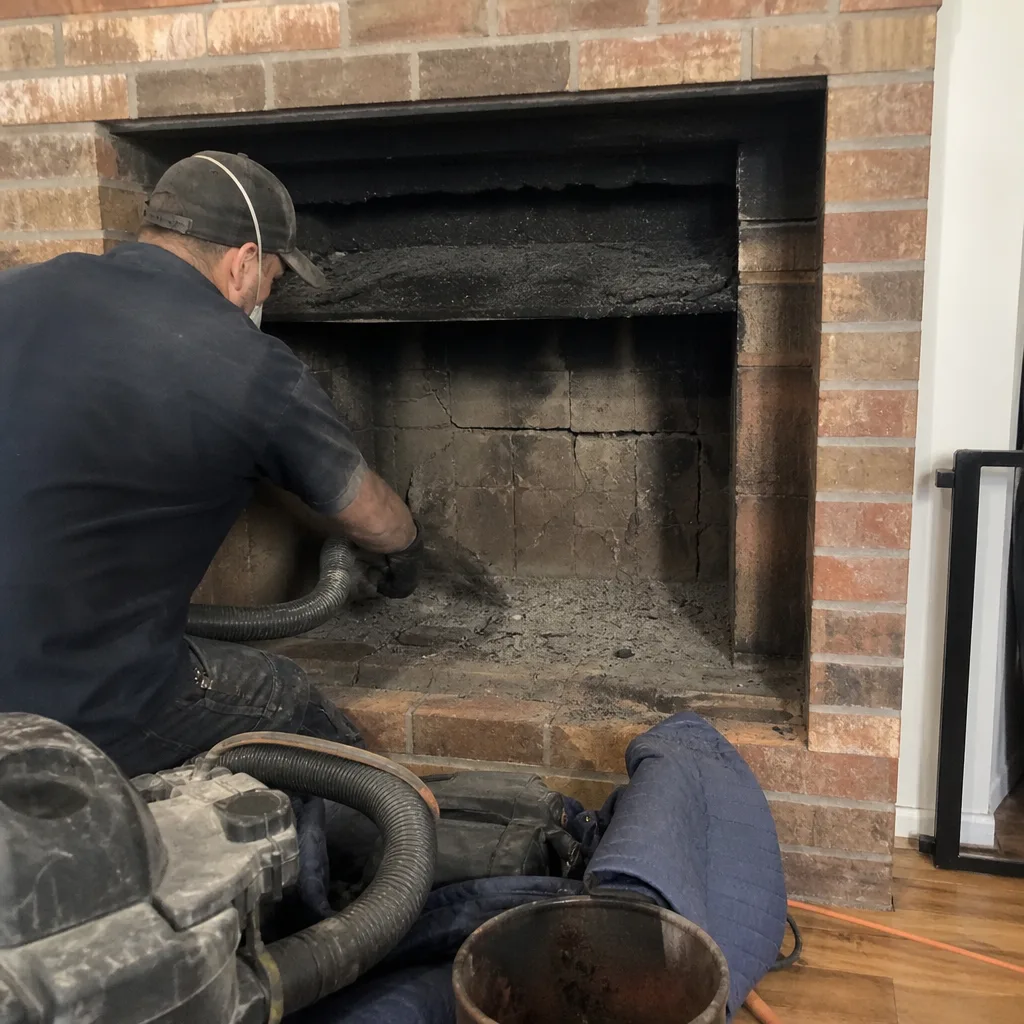 Before
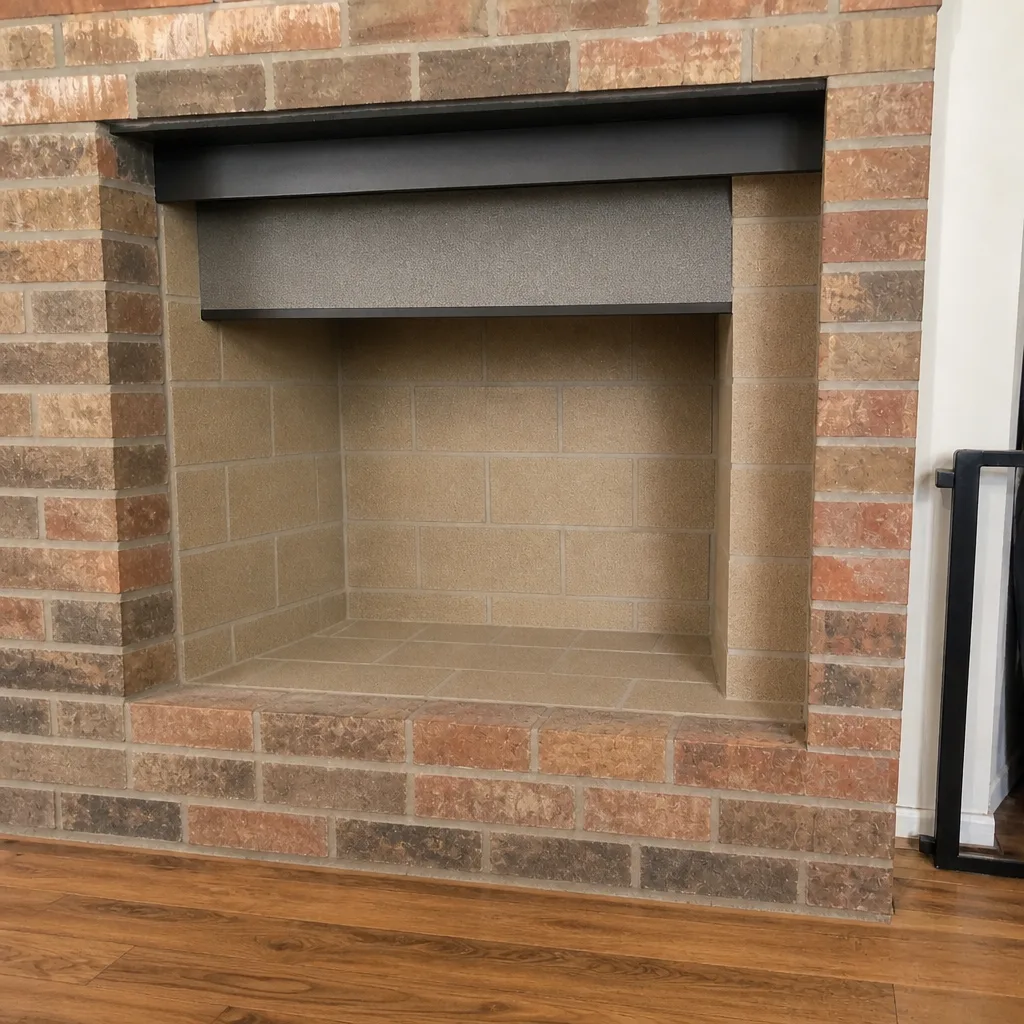 After
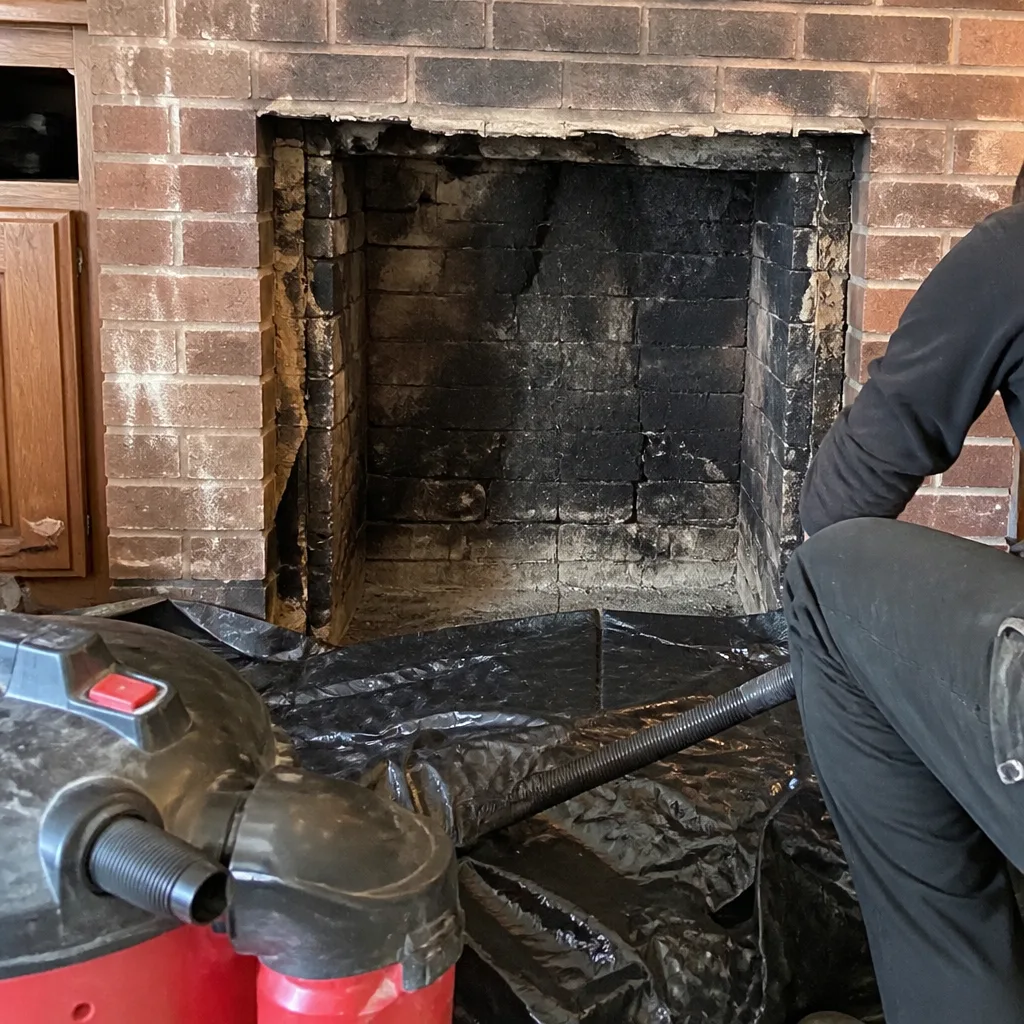 Before
 After
 Before
 After
Frequently Asked Questions
For most homes burning regularly, once a year is the standard, and it’s often done in early fall before the burn season. If you burn a lot of wood, or notice a lot of buildup, more frequent sweeping may be needed. Spring booking covers the diagnostic side while fall covers the operational side, and together they keep the chimney safe and structurally sound year round.
The best time is spring, right after freeze-thaw season, which is when structural damage is most visible and cheapest to fix. A fall inspection before the burn season is also valuable for safety. Many Westminster homeowners do both. If you’re only going to do one, the spring inspection catches more cost-control value. Call (855) 658-4345 for an exact quote; estimates are free.
No, a sweep is not a substitute for an inspection. Sweeping clears the flue; an inspection checks the crown, cap, flashing, brick, mortar, firebox, and liner for damage a sweep won’t detect. Skipping the inspection means problems like a cracked crown or failing liner go unnoticed. For a documented inspection in Westminster, call (855) 658-4345.
The signs include a cracked crown, spalling brick, crumbling mortar, a loose or missing cap, cracks in the firebox or flue liner, and rusted or stuck dampers. If the inspection finds liner damage, that’s a relining job, often with a DuraFlex liner system. Cleaning won’t fix structural damage; it only removes soot and creosote. Our technicians can diagnose and repair in one visit.
It depends on the fireplace’s condition and history. If it’s been maintained and inspected recently, it’s likely fine. If it hasn’t been inspected, or you’re unsure of its history, get an inspection before regular use. Signs to watch for include smoke backing into the room, cracks, excessive creosote, or CO detector alarms, any of which mean stop and call a professional.
Those cracks are the freeze-thaw signature. Water gets into the crown, brick, and mortar, freezes overnight, expands, and splits the material apart. In Westminster, where late-winter freeze-thaw cycles are common, this is the most frequent cause of crown and masonry cracking. A spring inspection is the right time to catch and repair it before the crack widens through summer.
The Bottom Line
Seasonal chimney care in Westminster means more than a fall sweep. Spring is the highest-value time to inspect because freeze-thaw damage is fresh and cheap to fix. Summer is about keeping animals, debris, and monsoon moisture out. Fall is the pre-season checklist, best booked in September before the October rush. Winter is about knowing which problems you can monitor and which mean shutting the fireplace down. The common thread is compounding: each skipped check makes the next problem more expensive. A spring inspection and a fall sweep together catch what either would miss alone. Westminster Chimney Sweep Pros provides sweeping, inspection, fireplace and chimney repair, and cap and crown work. Call (855) 658-4345 for a free estimate.
Written by the team at Westminster Chimney Sweep Pros.